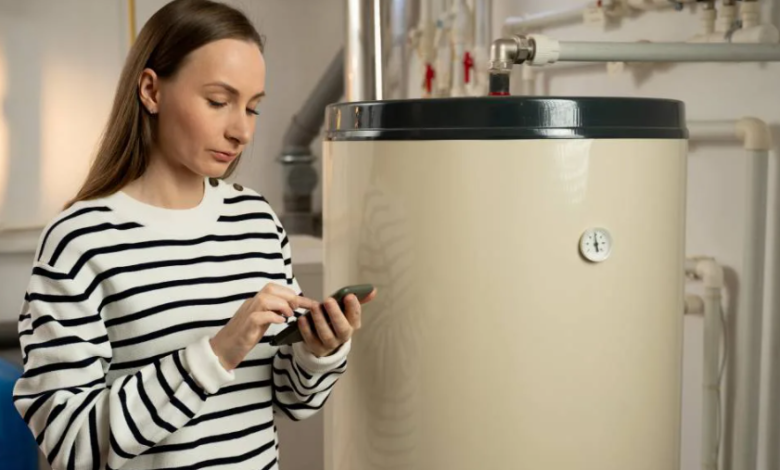
Water heaters are essential for comfort and daily routines, yet many homeowners overlook the basic upkeep that keeps these systems running efficiently. Proactive care not only prevents inconvenient breakdowns but also avoids the high costs of untimely replacements. Should you ever need urgent repairs, it’s good to know you can rely on 24/7 emergency water heater repair in Ogden. These professionals can address sudden issues and get your system back online quickly.
Proper maintenance will also help you save on energy bills and extend the lifespan of your water heater. These steps do not require much technical knowledge but can deliver significant benefits, such as improved efficiency, lower utility costs, and peace of mind. By adopting a yearly maintenance routine, you can delay the need for a complete water heater replacement and enjoy reliable hot water for years to come.
Flush the Tank Annually
As water flows into your heater, minerals and debris will settle at the bottom of the tank. Over time, this sediment can cause corrosion, reduce energy efficiency, and even clog the drain valve, leading to costly repairs or system failures. Flushing the tank once every year can help you avoid these problems. To do this, turn off the power or gas supply, attach a hose to the drain valve, and drain the tank until the water runs clear. This straightforward procedure removes built-up sediment, safeguards your appliance, and improves performance.
Test the Pressure Relief Valve
The pressure relief valve is crucial for the safety of your water heater, releasing excess pressure that builds up in the tank. Malfunctioning valves can lead to dangerous situations or leaks. At least once a year, carefully lift the test lever on the valve and allow it to snap back; you should hear a rush of water into the discharge tube. If this doesn’t happen or you notice leaks, it’s time to replace the valve. Routine testing can help catch problems before they lead to serious malfunctions.
Install a Water Softener
Regions with hard water see high levels of calcium and magnesium circulating within their plumbing systems. These minerals eventually precipitate and accumulate inside your water heater, reducing its efficiency and increasing wear. Installing a water softener strips these minerals from the water before it enters your heater, which can significantly extend the life of the unit while also improving the longevity of other household fixtures. A high-quality water softener reduces the frequency of maintenance and helps keep energy costs under control.
Insulate the Tank and Pipes
Insulation is a simple yet powerful tool for conserving heat energy and reducing the workload on your water heater. Wrapping a specially designed insulation jacket around the tank, as well as insulating the first few feet of your hot and cold water pipes, can prevent heat loss. This not only keeps water hotter for longer but also leads to noticeable savings on your utility bills. Ensure that you follow all manufacturer safety recommendations to avoid covering thermostat or burner access panels, especially on gas models.
Keeping your water heater running at peak performance is not only about efficiency, but also household safety and investment protection.
Check the Anode Rod
Your water heater is equipped with an anode rod—often called the “sacrificial rod”—which attracts corrosive elements present in water, thereby protecting the tank itself from rust. Over time, the rod will corrode and require replacement. It is best practice to check the anode rod every two to three years. If it’s less than half an inch thick or coated in calcium, it’s time for a new one. Regular replacement wards off premature tank failure caused by rust and keeps your water heater in solid, working condition.
See also: Set a Smart Budget for Home Search Success
Set the Thermostat to an Appropriate Temperature
Many experts recommend setting your water heater thermostat to 120 degrees Fahrenheit. Higher temperatures can result in mineral buildup, increased wear and tear, or even scalding. Lower temperatures are safer for children and seniors, and reduce both your energy bills and the demand on the tank. Regularly checking your thermostat setting is a simple way to ensure both safety and cost savings.
Schedule Professional Inspections
DIY care can handle most maintenance needs, but a yearly professional inspection serves as a safety net against undetected problems. Experienced plumbers can spot corrosion, test all system components, and identify inefficiencies you may have missed. An annual inspection helps avoid catastrophic failures, maximizes efficiency, and can even keep your warranty intact with some manufacturers.
Be Mindful of the Unit’s Age
Regardless of maintenance, water heaters are typically designed to last only a specific period, ranging from 8 to 12 years. Aging systems are more prone to leaks and failures, which could lead to significant water damage if not caught in time. If your heater is nearing this age range, begin exploring your options for replacement before it breaks down. Modern water heater technology offers improved energy efficiency and reliability, making an upgrade a wise, preventative investment.
Taking the time for regular care and periodic checkups will ensure your water heater performs efficiently, safely, and reliably for as long as possible, saving you money, time, and hassle along the way.