Getting arrested is overwhelming, but the steps you take next can have a lasting impact on your future. Many people, in the chaos and fear following an arrest, make critical errors that complicate their legal situations or even worsen the charges they face. It’s crucial to make informed choices immediately and understand how to safeguard your rights. If you have been arrested or are facing criminal charges in Florida, consult with the experienced team at the Rice Law Firm for trusted legal guidance.
The anxiety of an arrest can push individuals to act impulsively. Sometimes, efforts to explain your side, protect your reputation, or just process what has happened can be used against you. Taking the time to learn about the most common missteps is one way to ensure you avoid them if you ever find yourself in this situation. The actions you take next may determine the outcome of your case—and even impact your long-term freedom and livelihood.
Failing to Remain Silent
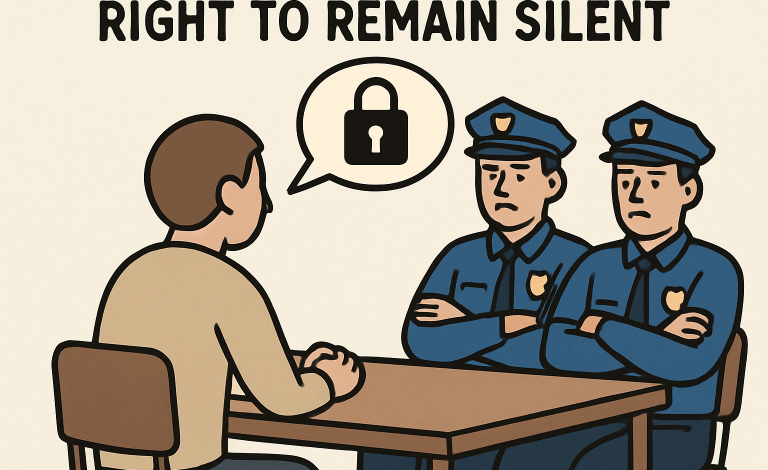
One of the most significant mistakes people make after an arrest is failing to exercise their right to remain silent. It’s natural to want to explain your side or clear up misunderstandings. Still, law enforcement is trained to gather evidence—your words can be twisted, taken out of context, or written into the police report in ways that damage your defense. Politely but firmly state that you wish to remain silent until your attorney is present, no matter how mild the questioning may seem.
Discussing Your Case on Social Media
Social media offers a platform to vent, seek support, or clarify your story, but anything posted online can be retrieved, documented, and presented as evidence in court. Even if your privacy settings are enabled, prosecutors and law enforcement can still access records. Refrain from discussing any aspect of your arrest, case, or legal proceedings on social media, as this can easily backfire.
Resisting Arrest
Resisting law enforcement, regardless of your personal feelings about the situation, is a grave error. Physical or verbal resistance not only makes the moment more volatile but also exposes you to additional criminal charges that may be more serious than the original offense. Always comply with the officer’s instructions during the arrest and use legal channels afterward to protest or challenge the arrest in court.
Delaying Legal Representation
Early intervention by a criminal defense attorney is one of your most important protections. Delaying your search for legal representation can limit your lawyer’s ability to gather evidence, negotiate with prosecutors, or build a comprehensive defense strategy. Consult an attorney as soon as possible to maximize your chances of a successful defense.
Missing Court Dates
Missing a scheduled court appearance signals to the court a lack of seriousness or respect for the process. It can result in the issuance of a bench warrant for your arrest, additional charges, or revocation of bail. It’s vital to track every court date meticulously and appear promptly, appropriately dressed, and prepared.
Discussing Your Case with Others
It may seem harmless to speak to friends, family, or even fellow inmates about your case, but these conversations are not protected by attorney-client privilege. Anyone you speak with could be called as a witness, and their statements about what you said could be damaging. Only discuss the details and strategy of your case with your attorney.
Attempting to Handle the Case Alone
Even if the charges seem straightforward or you believe them to be minor, the criminal justice system is complex, and unrepresented defendants often make critical errors. Prosecutors and police are not obligated to inform you of your rights or guide you in your best interests. Working with a qualified attorney ensures your rights are protected and provides invaluable strategic insights that are otherwise inaccessible.
See also: The Strategic Environment: How the Platform Will Shape Your Trading Success
Consenting to Searches Without a Warrant
Law enforcement may request to search your property, vehicle, home, or personal belongings without a warrant, suggesting it might expedite your release or “clear things up.” Consenting to such searches puts you at risk, as any evidence discovered can be used against you, even if it is unrelated to the original charges. You have the constitutional right to refuse warrantless searches, according to Police Magazine.
By learning about and avoiding these common mistakes after an arrest, you protect your rights and put yourself in a stronger position to defend against any charges. Reliable legal counsel and strict adherence to legal protocols are your best defenses against further harm.
Conclusion
Getting arrested can be overwhelming, but the choices you make immediately afterward can have lasting consequences. By understanding and avoiding common mistakes, remaining silent, seeking prompt legal representation, and following proper procedures, you protect your rights and strengthen your defense. Consulting an experienced attorney ensures you navigate the process wisely, helping to safeguard your future and minimize further legal complications.