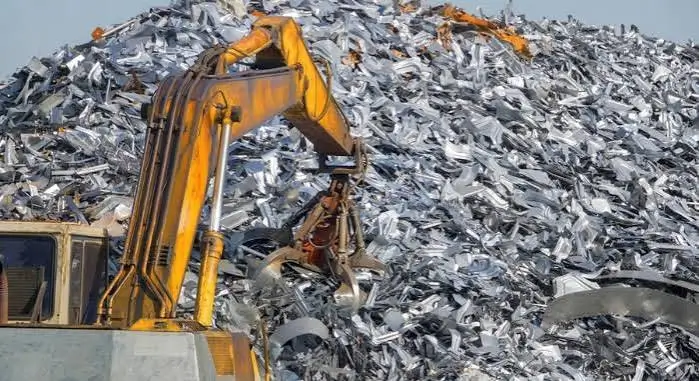
Recycling scrap metal at home offers a practical way to reduce household waste, conserve important natural resources, and even generate additional income. By learning how to identify, sort, and prepare metals for recycling, you can make a meaningful environmental impact and benefit financially. Many residents rely on trusted metal recycling companies in Wisconsin to ensure their metals are handled efficiently and responsibly.
From kitchen utensils to obsolete electronics, valuable metals can be found throughout your home. Setting up a simple recycling system will help limit unnecessary landfill waste and support a circular economy. With a bit of knowledge and routine, anyone can participate in metal recycling and do their part for the planet.
One of the first steps is recognizing which items in your home are recyclable and learning the difference between common metals. With attention to detail and safety, you can collect, prepare, and transport your scrap metal to local recycling facilities, often earning cash in the process.
If you are new to metal recycling, this guide will walk you through each step, from the basics of identification to maximizing your returns.
Identify Recyclable Metals in Your Home
To start recycling scrap metal at home, look for everyday items and materials composed of metal. Common sources include:
- Aluminum: Beverage cans, aluminum foil, and some kitchen utensils.
- Steel: Food cans, old hand tools, pipes, some furniture frames, and certain appliances.
- Copper: Electrical wiring, plumbing pipes, and decorative objects.
- Brass: Faucet fixtures, door handles, and old plumbing fittings.
Even less obvious items, such as worn-out nails, screws, old bike frames, and coat hangers, can be recycled. Routinely removing and collecting these objects will gradually build a stockpile suitable for dropping off at your local recycling center.
Sort Metals into Ferrous and Non-Ferrous Categories
Sorting is a crucial step to ensure your scrap metal recycling is as effective and profitable as possible. Use a magnet to check metal types. Ferrous metals contain iron and are magnetic, while non-ferrous metals do not contain iron and are non-magnetic.
- Ferrous Metals: Includes steel and iron. Commonly found in appliances, car parts, and tools. These are typically lower in value.
- Non-Ferrous Metals: Includes copper, aluminum, brass, and stainless steel. Found in wires, pipes, cans, and electronic parts. These often command higher prices at recycling centers.
By keeping ferrous and non-ferrous metals separate, you make the recycling process easier and can even increase your payout from scrap yards. Proper sorting also helps recycling facilities process materials more efficiently.
Clean and Prepare Metals for Recycling
Preparation improves the quality of your collected metals and increases the likelihood they will be accepted by recycling centers. Make sure to:
- Remove plastic, rubber, wood, or fabric attachments from metal pieces.
- Rinse out food residues from cans and containers to prevent contamination.
- Flatten cans and bend or compact larger objects to save space for storage and transport.
Properly cleaned and separated scrap metal is more attractive to recyclers and may fetch a better price. Also, handling clean scrap minimizes the risk of odors and pest infestations during storage.
Find Local Recycling Centers
To get the most from metal recycling, locate scrap yards or recycling centers that accept the types of metal you have collected. Before you visit, check the following:
- Which metals they accept and the specific material requirements.
- Their hours of operation and rules for drop-off or pickup.
- The prices they pay for different metals, which can vary daily and by facility.
Calling ahead or researching the center’s website can help you avoid wasted trips and ensure you have everything you need for a smooth transaction. For further information about recycling center regulations and practices, visit the EPA’s recycling guide.
Stay Informed About Market Prices
Market prices for scrap metal fluctuate with supply and demand. By following price trends, you can decide the best time to bring in your collection for maximum profit. Websites and trade associations, such as Recycling Today, publish up-to-date pricing information and news from the metal recycling industry.
Consulting these sources can help you gauge when to save metals for a better rate or when immediate recycling is the best option for your area.
See also: How Modern HVAC Technology Is Shaping Healthier Living Spaces
Safety Tips for Handling Scrap Metal
Handling scrap metal can pose hazards. It is important to use sensible precautions to avoid injury:
- Wear heavy-duty gloves to protect against sharp edges and rough surfaces.
- Use safety glasses when cutting, bending, or dismantling metal items.
- Keep collected metals in a dry, rust-free area to prevent rust and corrosion.
- Watch for protruding nails or screws and keep your storage area organized to reduce the risk of accidents.
Practicing good handling and storage habits makes the process safer for both you and anyone assisting with your recycling efforts.
Environmental Benefits of Metal Recycling
Recycling metal not only offers financial benefits but also plays a crucial role in environmental conservation. Creating new metals from raw ore consumes vast amounts of energy and produces greenhouse gases. By recycling metals, you significantly reduce energy usage and emissions, contributing to a healthier planet.
According to the Environmental Protection Agency (EPA), recycling metal conserves valuable resources, limits mining, and supports a sustainable economy. By participating in scrap metal recycling, you are helping to reduce environmental impacts and promote more responsible consumption of materials.
Conclusion
Anyone can manage and profit from recycling scrap metal at home. By recognizing recyclable household items, sorting properly, and following preparation and safety protocols, you set yourself up for an efficient and rewarding recycling routine. Staying informed about local recycling options and current market prices allows you to maximize your efforts and returns. With each piece of metal you divert from the landfill, you contribute to a more sustainable, eco-friendly future.