Sudden cold weather can put a home under pressure quickly, especially when the heating system has not run for months. A little preparation before the temperature drops can help you avoid uncomfortable rooms, higher energy use, and last-minute problems. If your equipment already seems unreliable, it may be time to explore heating system repair and installation in Katy before a cold front turns a small concern into an urgent situation.
Even in areas with generally mild winters, a fast-moving cold front can create a sharp jump in heating demand. Systems that sit unused through warmer weather may reveal clogged filters, thermostat issues, weak airflow, or unusual noises only when they are needed most. Preparing early gives you time to notice warning signs and respond calmly.
Why Cold-Weather Preparation Matters
Heating problems are often easier to manage before a cold night arrives. For example, a homeowner may wait until the first freezing evening to start an older furnace, then discover that it blows cool air or cannot keep up with the thermostat setting. Testing the system in advance could reveal a simple issue, such as a dirty filter or blocked vent, while there is still time to address it.
Preparation also improves comfort throughout the house. When airflow is restricted or warm air escapes through drafts, the system may run longer while some rooms remain chilly. A few practical checks can reduce strain on the equipment and help the home hold heat more effectively.
Start With A Heating System Check
Turn on your heating system before the cold front arrives and allow it to run long enough to confirm that warm air reaches occupied rooms. Homeowners can inspect visible areas and note performance changes, but fuel-burning equipment, internal electrical parts, and combustion controls should be left to trained professionals.
What To Look For
- Rattling, grinding, buzzing, or repeated clicking sounds.
- Weak or uneven airflow from supply vents.
- Unusual odors, soot, moisture, or water near the equipment.
- Frequent starting and stopping without reaching the selected temperature.
- Leaves, grass clippings, or stored items restricting an outdoor heat pump unit.
If maintenance has been delayed for a long time, schedule a routine inspection rather than assuming the system will perform normally during its first heavy use of the season.
Improve Airflow And Replace Dirty Filters
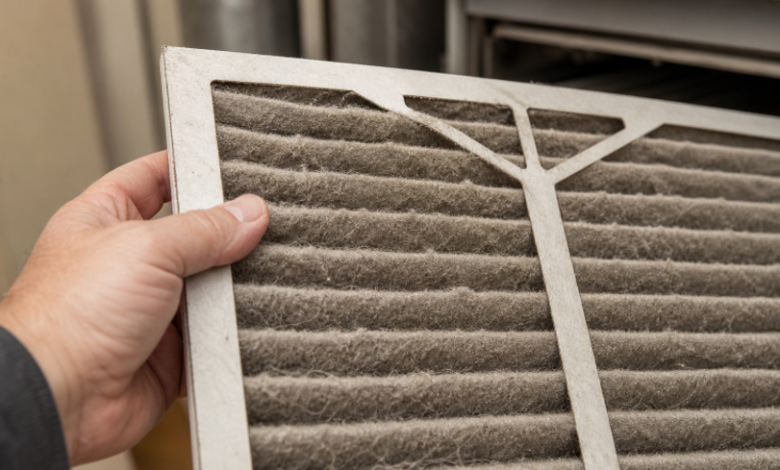
A clogged air filter makes it harder for a forced-air system to move heated air through the home. Filter replacement needs differ by household, system type, pets, dust levels, allergies, and manufacturer instructions, so use your equipment manual rather than relying on a single calendar rule.
- Inspect the filter before the first major cold spell.
- Replace it if it appears gray, dusty, damaged, or excessively loaded with debris.
- Keep supply vents open and clear of furniture, rugs, and curtains.
- Make sure return grilles are not blocked by boxes or other household items.
- Avoid closing numerous vents in an attempt to force more heat into one room.
Review Thermostat Settings
Your thermostat affects comfort, run time, and energy use, so check it before temperatures fall. Confirm that the display works, batteries are fresh if applicable, the schedule matches your household routine, and the temperature reading seems reasonable. Do not set the thermostat far above your desired indoor temperature to heat the home faster. The system will not warm the house more quickly, but it may run longer than necessary.
Thermostat Tips For 2026
- Keep the thermostat away from direct sun, drafts, lamps, and heat-producing appliances.
- Use a steady, realistic schedule instead of frequent large adjustments.
- Consider a programmable or smart thermostat if your current unit is inaccurate or outdated.
- Review the system manual before changing advanced settings.
Seal Drafts And Reduce Heat Loss
Reliable heating equipment is only part of the solution. Warm air can escape through gaps around windows, doors, attic access points, duct connections, and exterior penetrations. Add weatherstripping, caulk small gaps, install a door sweep, and close curtains after sunset to limit heat loss. For bigger improvements, the Department of Energy explains a whole-house weatherization approach that considers insulation, air sealing, heating equipment, and other connected home systems together.
What Heat Pump Owners Should Check
Heat pumps provide both heating and cooling, so their cold-weather preparation differs somewhat from that of a furnace. Keep the outdoor unit clear on all sides, inspect the indoor filter, and verify that the thermostat is set to heating mode. Do not cover the outdoor unit unless the manufacturer specifically recommends it, since the system needs airflow to operate properly.
Pay attention to rooms that stay cold, weak airflow, persistent unusual noises, or a system that relies heavily on auxiliary heat. The Department of Energy offers helpful guidance on heat pump systems, including cold-weather performance and system types. If an older unit struggles regularly, ask a qualified professional whether repair, weatherization, or replacement makes the most sense.
Warning Signs That Need Attention
An occasional startup sound may not mean the system is failing, but repeated or worsening symptoms deserve attention. Arrange professional service if you notice cold air continuing after startup, short cycling, unusually long run times, hot and cold spots between rooms, water near the indoor unit, error messages, or harsh mechanical noises.
Burning, fuel-like, or electrical odors should never be ignored. A carbon monoxide alarm activation is an emergency warning, not a maintenance reminder. Leave the building and contact emergency services according to local guidance.
Follow Basic Heating Safety Rules
- Keep curtains, furniture, boxes, and bedding away from heat sources.
- Never use an oven or stove to heat your home.
- Place portable heaters on a level surface with adequate clearance.
- Turn portable heaters off when leaving the room or going to sleep.
- Test smoke alarms and carbon monoxide alarms before winter weather arrives.
- Leave gas lines, burners, flues, refrigerant, and electrical wiring to qualified professionals.
A Simple Cold-Weather Checklist
- Test the heating system before temperatures drop.
- Inspect or replace the air filter as directed.
- Clear vents, return grilles, and outdoor equipment.
- Check thermostat batteries, settings, and schedules.
- Seal obvious drafts around doors and windows.
- Test smoke and carbon monoxide alarms.
- Store portable heaters safely.
- Write down the model and approximate age of your heating equipment.
When To Call A Professional
Stop troubleshooting and seek professional help when the system will not start, repeatedly trips breakers, leaks, produces unusual odors, makes harsh sounds, or cannot maintain a safe indoor temperature. Leave immediately and contact emergency services if you smell gas, see smoke or sparks, or hear a carbon monoxide alarm. Early attention to a developing problem can protect your comfort, your equipment, and your household during sudden cold weather.