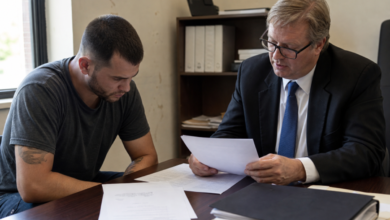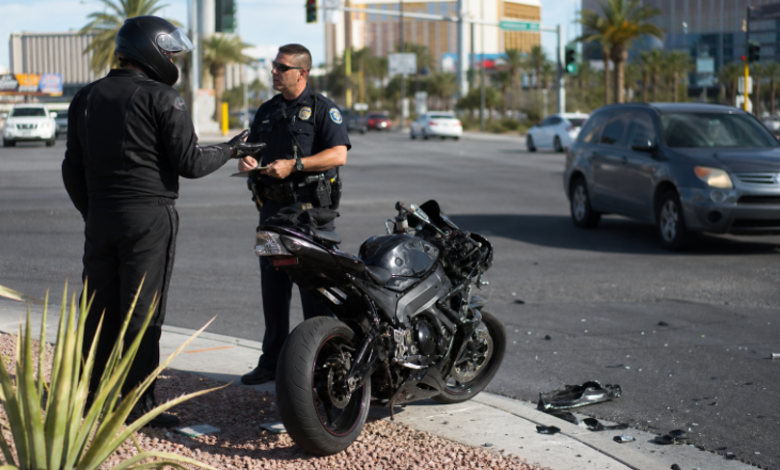
A motorcycle collision can change a rider’s life in moments. Injuries may be severe, transportation may be unavailable, and insurance calls can begin before the full medical picture is clear. Speaking with a Las Vegas rider injury attorney can help an injured rider understand the next steps, preserve important evidence, and avoid feeling pressured to resolve a claim too quickly.
Motorcycle accident legal representation in Las Vegas is not only about filing paperwork. A careful case review can examine how the crash occurred, identify available insurance coverage, document the actual impact of the injury, and address claims that unfairly blame a motorcyclist simply for riding a smaller vehicle.
Why Motorcycle Accident Representation Matters
Motorcycle cases often involve disputes that are less common in ordinary car crashes. Insurers may argue that a rider was difficult to see, traveling too fast, or taking an unsafe lane position. Those assumptions are not evidence. Representation helps organize the facts, including vehicle damage, witness accounts, video footage, medical records, and the actions of every driver involved.
It also gives an injured person a clearer point of contact while they focus on treatment. A lawyer can communicate with insurers, review settlement offers, and explain whether an offer reflects documented losses such as medical expenses, lost income, rehabilitation needs, pain, and property damage.
Visibility and Evidence After a Collision
Visibility is frequently central to motorcycle accident claims. A driver may say, “I never saw the motorcycle,” but that does not automatically excuse an unsafe turn, merge, or lane change. Photos of lighting, reflective gear, traffic signals, vehicle positions, sight lines, and nearby obstructions can help establish what was reasonably visible before impact.
Time matters because surveillance recordings and dash camera files may be overwritten. An attorney may seek to preserve footage from businesses, residences, rideshare vehicles, or traffic cameras near the scene. Witness names and contact details are equally important because memories can fade quickly.
Protective Gear and Injury Documentation
Helmets, jackets, gloves, boots, and eye protection can be relevant to both injury evaluation and defense arguments. Nevada law generally requires motorcycle drivers and passengers to wear protective headgear and qualifying eye protection or a face shield, as described in the state’s motorcycle equipment and rider requirements.
Even when a rider used appropriate gear, a crash can cause fractures, road rash, spinal trauma, traumatic brain injuries, or soft-tissue injuries that worsen after the first day. Prompt medical evaluation creates a record of symptoms and treatment. Keep damaged gear rather than discarding it, since it may help show the force and nature of the impact.
Lane Position and Right-of-Way Questions
Lane position should be evaluated in context, not through stereotypes about motorcycles. A rider may move within a lane to improve visibility, avoid debris, create space from a large truck, or prepare for a turn. Nevada recognizes a motorcycle operator’s right to use a full traffic lane, and the roadway’s conditions can matter greatly when fault is disputed.
Crash reconstruction, photographs, roadway measurements, and vehicle data may help clarify whether a driver failed to yield, drifted across a lane, or made a turn without adequate clearance. These details can be especially significant at busy Las Vegas intersections and multilane arterial roads.
Common Motorcycle Crash Triggers
Many serious motorcycle crashes involve familiar scenarios: a vehicle turning left across a rider’s path, a driver entering from a side street, an abrupt lane change, or a negligent motorist can strike an experienced rider in congestion. Distracted driving, impairment, fatigue, and tailgating can also contribute to a preventable crash.
A good investigation identifies the sequence of events rather than relying only on a brief conclusion in an insurance report. It may compare statements against physical evidence, vehicle damage, phone records, video, and witness observations, when appropriate.
See also: Understanding Georgia Drug Possession Laws
Rider Skill and Comparative Fault Claims
Insurance companies sometimes focus heavily on a rider’s experience level, training history, speed, or braking decisions. Those factors may be relevant, but they do not erase another driver’s duty to pay attention and follow traffic laws. An experienced rider can be struck by a negligent motorist, and a newer rider still has the right to expect other road users to act reasonably.
Legal representation can address comparative-fault arguments with evidence rather than speculation. The goal is to present an accurate account of the rider’s conduct and the driver’s choices before the collision.
Weather and Road Hazard Investigations
Las Vegas weather can create distinct riding hazards. Intense sun may obscure sightlines, wind can affect motorcycle stability, and rain after long dry periods can make it hard to see an approaching rider. Potholes, loose gravel, uneven pavement, construction zones, and debris may also play a role.
When road conditions are involved, photographs should capture the hazard before it changes. Records concerning maintenance, construction activity, or prior complaints may be relevant in some cases, depending on the facts and the parties responsible for the roadway.
Driver Conduct and Shared-Road Duties
Drivers must share the road with motorcyclists, check mirrors and blind spots, signal turns, and maintain an adequate following distance. A motorcycle’s size can make distance and speed harder to judge, which makes careful observation more important, not less. A driver who looks but fails to truly see an approaching rider may still have created an unreasonable risk.
Driver behavior can be documented through police reports, witness statements, traffic citations, video recordings, and damage patterns on vehicles. These materials can help separate a fact-based claim from a reflexive assumption that the rider caused the crash.
Records That Can Support a Claim
After a crash, preserve as much information as possible. Useful records may include:
- Photos and videos of the scene, roadway, motorcycle, and other vehicles.
- The crash report number and responding agency information.
- Witness names, phone numbers, and written observations.
- Medical records, bills, prescriptions, and appointment summaries.
- Proof of missed work, reduced hours, or lost business income.
- Repair estimates, towing invoices, and receipts for damaged gear.
- Messages or letters from insurance companies.
Nevada’s DMV explains that crashes involving injuries or at least $750 in damage are subject to reporting requirements, so riders should review the state’s crash reporting guidance if an officer did not investigate the collision.
What to Do After a Las Vegas Motorcycle Crash
First, get to safety if possible and call 911 if someone may be injured. Do not minimize pain, dizziness, numbness, or confusion simply because adrenaline is high. Seek medical care, exchange information, document the scene when it is safe, and avoid admitting fault or giving a recorded insurance statement before understanding the situation.
Motorcycle accident legal representation can provide structure during a difficult period. Prompt action may help preserve evidence, protect a rider’s ability to make informed decisions, and ensure that the full impact of a Las Vegas motorcycle crash is evaluated with care.