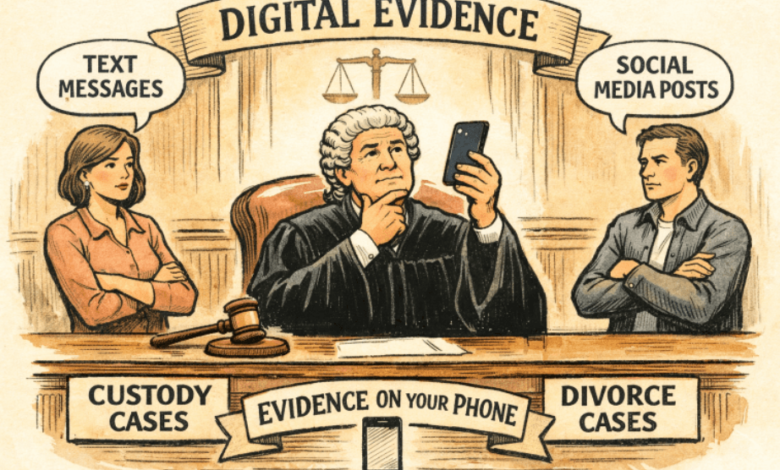
The rise of digital technology has transformed virtually every aspect of modern life, and the realm of family law is no exception. Today, digital tools, social media, and online communications have become integral in divorce and custody proceedings, altering how evidence is collected, presented, and interpreted by the courts. Anyone facing the complexities of family law in this digital era should seek guidance from a knowledgeable family attorney Tampa to ensure their rights and interests are protected amid ever-evolving legal standards.
Parents and spouses navigating divorce or child custody need to understand how their digital behaviors might impact the outcome of their case. From emails and text messages to the footprints left on social media, what happens online often becomes central evidence in court. This has made transparency and awareness more important than ever for all parties involved.
At the same time, the emergence of artificial intelligence, virtual visitation, and digital asset management introduces new tools and challenges for families and courts. Staying informed about these changes is critical, especially as technological advances are happening at an unprecedented pace.
Digital Evidence in Custody Cases
With the expansion of digital communication, family courts are increasingly relying on electronic records to evaluate parental behavior and make custody decisions. Emails, text messages, and call logs can reveal patterns of communication that reflect a parent’s involvement or disengagement. Additionally, social media posts may provide a window into a parent’s day-to-day life, sometimes contradicting or supporting statements made in court.
For example, consistent check-ins at social venues during scheduled parenting time or negative public comments about the other parent can call into question a party’s judgment and appropriateness as a caregiver. The admission of digital evidence, however, requires scrutiny to ensure its authenticity and relevance, a process best navigated with legal counsel experienced in digital matters.
Social Media’s Impact on Divorce Proceedings
Social media offers an abundant source of evidence in divorce cases. Posts about extravagant spending may become relevant in alimony hearings. Photos that contradict submitted claims, like pictures showing a hidden asset or an undisclosed relationship, can dramatically shift how a judge views a case.
Careless activity on platforms such as Facebook, Twitter, or Instagram is often used by opposing attorneys to undermine credibility or support claims of inappropriate behavior. Even seemingly harmless posts can be misinterpreted or taken out of context, which is why legal experts urge parties in family law matters to exercise extreme caution online.
AI’s Influence on Custody Decisions
The inclusion of artificial intelligence in legal decision-making represents one of the most significant changes in recent family law. AI algorithms evaluate communication records, scheduling habits, and even social media content to assist judges in determining which custody arrangements best serve the child’s interests. While these tools offer a promise of objectivity and efficiency, there are concerns about potential biases within the technology and data privacy risks.
Courts and legal professionals are still determining best practices for integrating AI recommendations, recognizing both their benefits and their limitations.
Co-Parenting Apps and Digital Communication
Co-parenting platforms such as OurFamilyWizard and TalkingParents have changed how separated parents coordinate and document their children’s care. These apps consolidate schedules, messages, and expense logs into a single user-friendly location, providing a reliable record should disputes arise.
These digital logs can also assist judges and family law professionals by providing an unbiased record of interactions, patterns of cooperation, and efforts toward shared parenting. Ultimately, these tools help foster better communication and transparency, making contentious conflicts less likely to escalate.
Virtual Visitation and Remote Parenting
Video calls and online chats have become invaluable for maintaining familial bonds across distances. Courts may now order virtual visitation as a supplement to or replacement for in-person time, especially in cases where geographical distance, parental relocation, or safety concerns are factors.
While virtual visitation cannot entirely substitute for face-to-face contact, it keeps parents involved in daily routines and special milestones. Careful guidelines are typically established to ensure that these virtual visits are meaningful and support the child’s best interests rather than serving as a substitute for physical presence when it can be safely maintained.
Digital Assets and Financial Disclosures
The proliferation of digital assets such as cryptocurrencies, NFTs, and online business holdings has transformed the financial landscape of divorce. Identifying, valuing, and dividing these assets can be complicated, requiring skilled forensic accounting and legal expertise.
Transparency is critical. Both parties must provide detailed disclosures of any online or digital investments, and courts have become more adept at untangling complex digital portfolios to ensure equitable outcomes. Hidden assets or attempts to conceal digital wealth are increasingly exposed by technology-savvy professionals.
Privacy Concerns and Ethical Considerations
As digital evidence becomes routine in family law cases, balancing transparency with respect for privacy rights remains challenging. The collection and presentation of private communications or online activities must comply with both legal standards and ethical guidelines.
Concerns also exist around the potential misuse of digital footprints, such as unauthorized surveillance or the sharing of personal data. Legal professionals are urged to stay informed about privacy laws and to educate their clients about the implications of sharing or storing sensitive information digitally.
See also: Automated Payroll Systems and the Future of Work
Preparing for the Digital Shift in Family Law
Staying ahead in the digital age requires careful navigation of technology’s benefits and pitfalls. Individuals facing divorce or custody disputes should be proactive in understanding how their digital presence may be used in court, maintain responsible online conduct, and retain attorneys experienced in digital legal matters.
As the landscape evolves, those who adapt quickly by leveraging digital organizational tools, exercising caution with digital communications, and being transparent about asset positions position themselves for fairer outcomes and smoother proceedings.
Ultimately, technological advancements have brought both opportunities and complexities to family law. Being thoughtful, strategic, and informed are essential traits for anyone seeking equitable resolutions in the rapidly changing digital environment.
Final Thoughts
Technology has fundamentally reshaped how family law cases are investigated, argued, and resolved. From digital communication records to emerging tools like artificial intelligence and virtual visitation, courts now rely on a wide range of technological evidence and resources to better understand family dynamics and make decisions that serve the best interests of children.
However, with these advancements comes increased responsibility for individuals navigating divorce or custody matters. Online behavior, digital assets, and electronic communications can all influence legal outcomes, sometimes in ways people may not initially expect. Being mindful of your digital presence, maintaining transparency, and organizing electronic records can play a significant role in protecting your position during legal proceedings.