Key Takeaways
- Natural stone surfaces vary widely in durability, porosity, and maintenance needs, so understanding your specific material is essential.
- Daily cleaning with pH-neutral products and quick spill response helps prevent staining, etching, and surface damage.
- Regular sealing is a critical protective step that extends the life and appearance of stone, especially in kitchens, bathrooms, and outdoor areas.
- Preventive measures, such as using cutting boards, trivets, rugs, and felt pads, significantly reduce scratches and wear.
- Routine inspections and periodic professional care can restore beauty, address hidden issues early, and preserve your stone investment for years to come.
Understanding Your Stone Surfaces
Stone surfaces bring a timeless elegance and lasting strength to any home or commercial space. Whether you have granite countertops, marble tiles, limestone accents, or slate floors, each material presents its own distinct beauty and functionality. When investing in natural stone, it is important to recognize the differences between types. Marble, for example, is luxuriously smooth but more porous and prone to staining, while granite is denser, less permeable, and highly resistant to everyday wear. Working with experienced stone professionals like Lion Stoneworks can also help you understand your stone’s attributes and recommend tailored care and maintenance strategies for each surface you own.
The level of attention your stone requires will depend on its location and use. Kitchen countertops might face spills, hot pans, and cutting stress, while bathroom vanities are exposed to cosmetics and moisture. Entryway floors experience grit and frequent traffic that can dull or scratch the finish. Knowing these context-specific challenges will help you anticipate and proactively manage common risks, keeping your stone surfaces both striking and structurally sound for years to come.
Daily Cleaning Practices
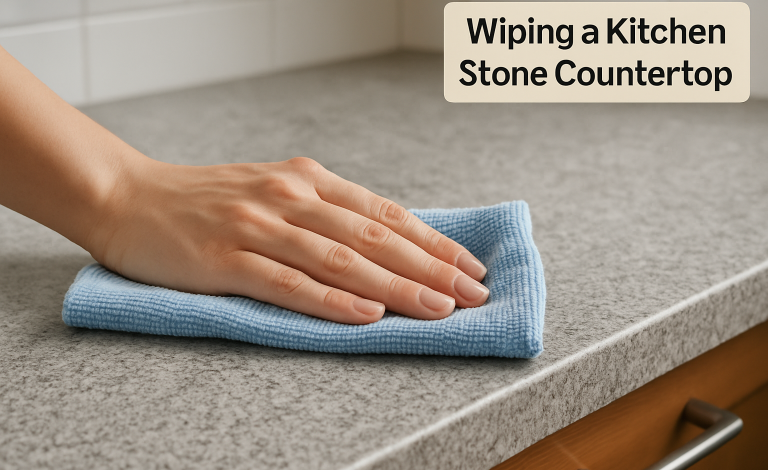
Consistent, gentle cleaning is the foundation of stone surface care. Use a soft microfiber cloth or mop and a pH-neutral stone cleaner. Standard household cleaners containing acids or bleach can gradually erode the stone, leaving it dull or etched. For spot cleaning, especially on marble and limestone, quickly wipe up spills such as wine, vinegar, coffee, or citrus juice, which are notorious for causing stains and etching. Mild soap and warm water can suffice for basic cleaning, but always rinse thoroughly to prevent residue buildup and streaking.
When managing busy areas or homes with children, make stone surface care a part of your daily routine. Dust or sweep floors regularly to keep grit and sand from scratching the finish. Always follow up cleaning with gentle drying, as standing water may penetrate porous stones and increase the risk of discoloration or mold.
Sealing for Protection
Stone sealing is a crucial safeguard against stains, moisture intrusion, and surface dulling. A high-quality stone sealer acts like an invisible shield, allowing the stone to breathe while repelling damaging substances. The sealing schedule depends on the stone’s porosity and how often it is used. Marble and limestone typically require resealing every six months to a year, while granite can maintain its protection for longer. To check whether your stone needs resealing, pour a few drops of water onto the surface. If the water absorbs within minutes, it is time to reapply the sealer.
Apply the sealer in a well-ventilated space and ensure it dries thoroughly before restoring full use to the area. Reputable stone professionals or manufacturers can recommend the best products for your specific material. Routine sealing, particularly in moisture-prone environments like kitchens and bathrooms, is a valuable investment to prolong the life and luster of your stone surfaces.
Preventing Scratches and Damage
Stone surfaces, while durable, are not immune to damage. To protect countertops, always use cutting boards when preparing food and avoid chopping or placing hot pans directly on the stone. Employ trivets or heat-resistant mats under cookware, pans, or small appliances, especially on marble and engineered stone, to prevent scorching and thermal shock. For floors, area rugs and mats in entryways trap dirt that could grind into the stone. Place felt pads under the feet of chairs and heavy furniture to minimize scratches caused by movement.
Addressing Stains and Spills
No matter how careful you are, occasional spills and stains are inevitable. For organic stains such as wine, coffee, or food residue, create a poultice by mixing baking soda with water to form a thick paste. Apply it directly to the stain, cover the area with plastic wrap, and let it sit for 24 hours before wiping clean with a soft cloth. For oil-based stains from cosmetics or grease, use a poultice containing acetone or a recommended commercial stone stain remover. Always spot test any product or homemade solution in a hidden corner first to prevent unwanted damage or discoloration.
See also: How Energy-Efficient Windows Transform Modern Homes
Regular Maintenance and Inspection
Yearly or bi-annual inspections help catch potential issues early, such as hairline cracks, chips, or areas where the finish has dulled. High-traffic countertops, floors, and vanities may require more frequent checks. Schedule professional deep cleaning and polishing every few years to restore the stone’s natural brilliance and address minor surface imperfections. Trained technicians use specialized tools and techniques that extend the life of your investment while minimizing the risk of permanent damage.
Special Considerations for Outdoor Stone
Stone used in patios, walkways, or outdoor kitchens is exposed to extreme weather, temperature changes, and organic debris. Regularly sweep outdoor surfaces to remove grit, leaves, and moisture-retaining dirt. Reapply a weather-grade stone sealer at least twice per year to protect against freeze-thaw cycles, moss, and stains from plant material. Consider periodic professional maintenance to repair grout, replace cracked stones, and power-wash heavily soiled surfaces constantly exposed to the elements.
When to Seek Professional Help
If you encounter deep scratches, persistent staining, chipped edges, or widespread etching, turn to certified stone care professionals. Experts use honed techniques and specialized equipment to restore damaged stone, polish away imperfections, and reseal surfaces, restoring resilience. Their knowledge and experience add years to your stone installations and can often revive materials you might otherwise think unsalvageable.
Caring for your natural stone surfaces is about blending regular care, protective habits, and timely professional intervention. By applying these principles and referencing reputable sources, you can maintain the health and appeal of your stone surfaces, ensuring they remain a striking feature in your home for many years.