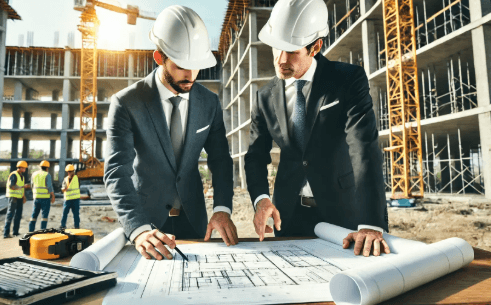
Understanding the Design-Build Method
The design-build method is transforming the way residential construction projects are planned and executed. Unlike the traditional approach that separates designers from contractors, a residential design-build firm manages both design and construction under a single contract. This unified approach fosters better communication and collaboration, driving efficiency and higher-quality results for homeowners seeking hassle-free renovations and builds.
Traditionally, homeowners hired an architect or designer to conceive a vision for their project and then found a contractor through a separate bidding process. The design-build approach streamlines the experience by offering a single team responsible for the project from initial concept through completion. Having every aspect of your project managed by one team reduces confusion and helps keep everything on schedule and within budget.
Seamless integration between the design and construction phases is a foundation of this method. The design-build team works together from day one, identifying potential issues early and offering creative, achievable solutions that fit within your budget constraints. That collaboration helps eliminate costly delays and misunderstandings common in the traditional method.
Homeowners benefit from knowing that the vision they discuss and approve during the design phase will translate directly into the finished product, without the hand-off mishaps or unexpected design changes that may occur when separate companies are engaged for different stages of the process.
Key Advantages of Design-Build for Homeowners
- Single Point of Responsibility: Homeowners interface with a single team, streamlining communication and decision-making and minimizing miscommunication.
- Enhanced Collaboration: Designers and builders coordinate from the outset, ensuring project plans are creative yet realistic and that solutions are developed collectively.
- Faster Project Completion: Because design and construction can overlap, project timelines are generally shorter, enabling families to move forward with their plans more quickly.
- Cost Efficiency: Involving the construction team early allows for more accurate estimates and proactive identification of cost-saving opportunities, reducing the risk of unexpected expenses.
Comparing Design-Build to Traditional Construction
When using the classic design-bid-build model, homeowners often encounter hurdles tied to fragmented responsibility. Designing and building occur in separate phases, managed by different entities. This separation can result in disconnects between the initial design vision and final construction, as well as increased errors, delays, and budget overruns. The design-build approach, on the other hand, offers a single point of contact for both creative planning and execution, enabling changes to be made fluidly and with consistent oversight throughout.
According to Architectural Digest articles, the design-build method has become a trusted alternative for innovative and cost-conscious homeowners, helping avoid many of the pitfalls that delay or complicate traditional projects.
Real-Life Example: The Design-Build Advantage
Imagine a homeowner embarking on a kitchen renovation. Working with a design-build firm means collaborating with the same team that both conceptualizes the design and executes the build. This united approach ensures that ideas shared at the start carry through to the completed kitchen, providing clarity and reducing the risk of expensive or impractical changes later in the process. This is especially valuable for complex remodels, where coordination between aesthetic choices and construction requirements is critical.
When to Choose a Design-Build Firm
Design-build is particularly advantageous for homeowners seeking a smooth experience, especially those who value having a single point of contact and transparent responsibility. This model is ideal for projects that require close collaboration between design and construction, or for homeowners with tight timelines or fixed budgets. Additionally, if avoiding miscommunication and potential disputes between different companies is a priority, design-build professionals offer a practical solution.
- Desire a streamlined process with one primary contact.
- Prioritize time efficiency and wish to expedite completion.
- Seek to minimize risks of miscommunication and delays between design and construction professionals.
- Prefer a team-oriented approach from the very beginning.
See also: How Local Search Engine Strategies Are Changing for Modern Businesses
Potential Considerations
While the design-build model offers many benefits, homeowners must choose a reputable firm with a track record of reliability and excellence. Not every firm has the experience or skills to handle the entire project effectively. Research potential partners, ask for references, and clearly articulate your goals before entering into a contract.
The Future of Home Construction
As the construction industry continues to evolve, the design-build approach is rapidly gaining popularity among homeowners looking for clarity and efficiency. Its ability to integrate innovative design with practical construction ensures better outcomes and a more enjoyable process for clients. With its collaborative spirit and streamlined project delivery, design-build is well-positioned to become the preferred method for homebuilding and renovation for years to come.
Final Thoughts
For homeowners who aim to simplify their construction experience, minimize risks, and achieve their vision efficiently, the design-build approach is a compelling solution. By partnering with a capable design-build firm, you gain a team that unites creativity and functionality, helping to bring your dream project to life smoothly and cohesively.