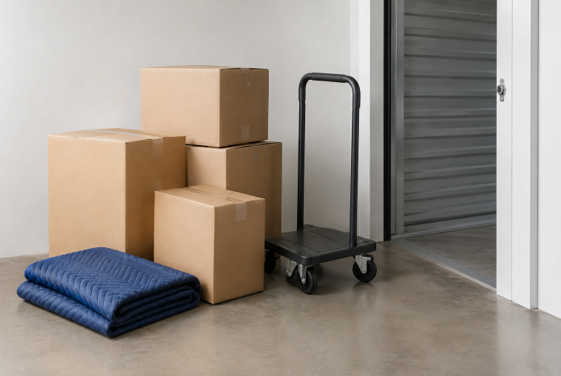
Moving around Douglassville, Pennsylvania can involve more than loading a truck and changing addresses. A delayed closing, lease overlap, renovation, downsizing project, or relocation can leave a household needing a secure place for belongings between stages. Renting affordable storage Douglassville, PA, can create breathing room when the timing of a move does not line up perfectly. A storage unit works best when it is part of the plan from the beginning. Instead of treating it as a last-minute place to drop boxes, use it to simplify packing, protect important belongings, and keep your next home from becoming crowded before you are fully settled.
Why Self-Storage Can Make Moving Easier
Self-storage is useful when one home must be emptied before the next one is ready. It can also help with home staging, remodeling, estate cleanouts, and temporary moves for work or school. By moving less-used items out first, you can pack room by room without losing access to the furniture, clothing, and documents you still need. In practical terms, self-storage units are rented spaces for personal or business belongings, often for flexible periods. For a Douglassville move, that flexibility can make it easier to handle a transition without rushing every decision into a single moving day.
When to Rent a Storage Unit
Consider reserving storage when a home closing is delayed, a lease ends before your new place is available, or a renovation requires you to clear rooms. It is also useful for downsizing households that need time to decide what will fit, families relocating out of the area, and seasonal belongings that would otherwise occupy valuable space during the move. If your move is scheduled during a busy time of year, reserve the unit before packing begins. Early planning gives you time to compare sizes, review access hours, and organize your belongings around what you will need first.
See also: How to Choose a Rockville, Maryland Neighborhood That Fits Your Lifestyle
How to Choose the Right Unit Size
Do not choose a unit based only on the number of rooms in your home. Start with an inventory. Measure large pieces such as sofas, mattresses, tables, and bookcases, estimate how many boxes you expect to pack, and identify anything you may need to retrieve before move-in.
Suggested Planning Steps
- List large furniture and appliances first.
- Count boxes by room as packing progresses.
- Separate items that must stay accessible.
- Decide whether you need shelves or a walking aisle.
- Compare your inventory with the facility’s unit-size guidance.
A unit that is too small can force unsafe stacking and block access. A much larger space than necessary can add avoidable monthly cost.
How to Sort Items Before Packing
Sort before you buy boxes or load a vehicle. Create four groups: move now for first-week essentials; store temporarily for items needed later; donate or sell for useful belongings that no longer suit the household; and discard for broken, expired, or unsafe items. This step keeps storage from becoming a long-term holding place for things you already know you do not want. It also reduces the number of boxes you have to carry, label, transport, and unpack.
How to Pack Items for Storage
Packing for storage requires attention to weight, moisture, and identification. Use sturdy boxes, avoid overfilling them, and label at least two sides with contents and the destination room. Put books and other dense items in smaller boxes, while bedding and pillows can go in larger, lighter boxes.
- Wrap glass, artwork, and electronics with appropriate padding.
- Pack only clean, dry belongings.
- Keep similar items together when possible.
- Create a written or digital inventory as boxes are sealed.
- Number boxes if you want to match them to an inventory list.
How to Load the Unit for Easy Access
Think of the unit as a small warehouse, not a space to fill from floor to ceiling without a plan. Place large furniture along the back and side walls, set heavy boxes on the bottom, and keep fragile items away from tall stacks. Leave a narrow walkway when space allows, especially if you may visit the unit before your final move-in date. Keep first-access items near the entrance. This could include seasonal clothing, basic tools, paperwork, or children’s items needed before the rest of the household is unpacked. Take a photo of the finished layout so you have a quick reminder of where major items were placed.
How to Protect Furniture and Valuables
Clean and dry furniture before storage, then cover it with breathable materials. Keep mattresses off the floor when possible, and avoid placing heavy boxes directly on upholstered pieces. Electronics, artwork, photographs, instruments, leather, wood furniture, and important documents may need additional protection or more stable storage conditions. Review the rental agreement before loading anything in. Facilities may have rules about access, locks, insurance, and prohibited property. Do not place food, plants, animals, or flammable and hazardous materials in a unit. Products such as paints, solvents, oils, batteries, and pesticides may require special handling, as explained in the EPA’s guidance on household products with hazardous ingredients.
A Simple Moving-Day Checklist
- Confirm the facility address, access instructions, and hours.
- Bring tape, markers, labels, gloves, water, and the inventory list.
- Check that the truck, dolly, ramps, and moving blankets are ready.
- Load heavy furniture and boxes before lighter belongings.
- Photograph valuable items and the completed storage layout.
- Make sure the unit is fully closed and locked before leaving.
Common Storage Mistakes to Avoid
Common problems include renting without an inventory, using weak boxes for heavy items, storing damp clothing, blocking the entrance, and forgetting where important belongings were placed. Another mistake is ignoring the rental agreement until moving day. For example, a family that expects to use holiday decorations before settling into its new home should keep those bins near the front. Large furniture and long-term boxes can go farther back. A few minutes of planning can prevent a full unload later.
Frequently Asked Questions
How far ahead should a storage unit be reserved?
Reserve as soon as your moving timeline is reasonably clear, particularly if you need a specific size or expect to move during a high-demand period.
Should frequently used items go near the door?
Yes. Place anything you may need before move-in near the entrance, and put long-term items toward the back.
Is climate-controlled storage always necessary?
Not always. The right choice depends on what you are storing, how long it will remain there, and the conditions the items can tolerate.
Final Takeaway
A smooth Douglassville move starts with a clear plan and a realistic timeline. Begin by making an inventory of your belongings, sorting items into what you will keep, donate, sell, or store, and packing everything in clearly labeled boxes. Select a storage unit that suits your space requirements, budget, and length of use, with enough room to reach regularly needed belongings without having to rearrange everything. Before loading, protect furniture, wrap fragile belongings, and keep important documents and everyday essentials separate for easy access. Arrange boxes and larger items strategically so heavier pieces remain stable, and the items you may need first are easy to reach. It also helps to keep a simple record of what is stored and where it is placed. When storage is treated as a practical part of the moving process rather than a last-minute solution, it can reduce clutter, simplify packing and unloading, and make a complicated transition calmer and more manageable.