Multi-day festivals bring together large crowds, multiple vendors, live entertainment, and complex logistics that must function smoothly over several consecutive days. While attention is often focused on stages, ticketing, and vendor coordination, sanitation planning plays an equally important role in the overall success of the event.
Portable toilets and restroom trailers are not just a requirement. They directly influence guest experience, crowd flow, and operational efficiency. Poor sanitation planning can lead to long lines, overcrowding, and negative feedback, while a well-executed strategy helps maintain comfort and keeps the event running smoothly.
For festival planners, understanding how to balance standard portable units with restroom trailers—and how to manage them over multiple days—is essential for delivering a successful event.
Why Multi-Day Festivals Require a Different Sanitation Strategy
Single-day events can often rely on a straightforward sanitation setup. Multi-day festivals introduce additional challenges. Usage accumulates over time, crowd patterns shift from day to day, and servicing must be coordinated without disrupting the event.
Guests expect consistent conditions from the first day to the last. If facilities decline in quality or accessibility, it can affect the overall perception of the event.
In addition, multi-day festivals often include camping areas, VIP sections, and extended hours of operation, all of which increase demand.
Because of these factors, sanitation must be treated as a dynamic system that evolves throughout the event.
Planning for multi-day use requires more attention to detail and coordination.
Estimating Attendance and Usage Patterns
Accurate attendance estimates are the foundation of effective sanitation planning. However, it is not just the total number of attendees that matters. Planners must also consider how usage will vary throughout the day and across different areas of the event.
Peak times, such as before and after major performances, can create temporary surges in demand. Areas near food vendors or beverage stations may also see higher usage.
Understanding these patterns helps determine how many units are needed and where they should be placed.
Planning for peak demand ensures that facilities remain accessible even during the busiest periods.
Balancing capacity with usage patterns is key to avoiding congestion.
Choosing Between Portable Toilets and Restroom Trailers
Standard portable toilets and restroom trailers serve different purposes, and most multi-day festivals benefit from a combination of both.
Portable toilets are flexible, easy to deploy, and can be distributed across large areas. They are ideal for general admission zones, camping areas, and high-traffic sections of the event.
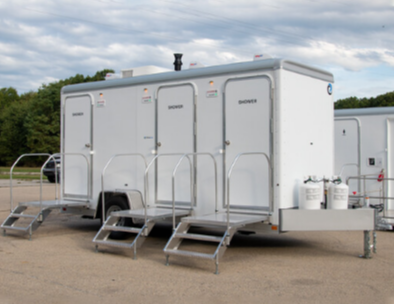
Restroom trailers provide a more structured and comfortable experience, often including features such as flushing systems and interior lighting. These units are commonly used in VIP areas, backstage zones, or premium sections of the festival.
Selecting the right mix depends on the layout of the event, the expected audience, and the level of service planners want to provide.
Combining both options allows for a more balanced sanitation strategy.
Strategic Placement Across the Event Grounds
Placement is one of the most important aspects of sanitation planning. Units must be accessible without creating congestion or interfering with other activities.
Rather than clustering all facilities in one location, planners should distribute them across the event grounds based on crowd movement and activity zones.
Key placement areas include:
- Near main stages and performance areas
- Adjacent to food and beverage zones
- Along primary walkways and entry points
- Within camping or overnight areas
Proper distribution reduces travel time for attendees and helps prevent long lines in any one location.
Strategic placement improves both accessibility and crowd flow.
Planning for Servicing During the Event
Multi-day festivals require ongoing servicing to maintain sanitation standards. Unlike single-day events, where units may only need to be serviced before and after the event, multi-day setups require attention throughout the schedule.
Servicing must be coordinated carefully to avoid disrupting attendees. This often means scheduling maintenance during lower-traffic periods, such as early mornings.
Working with providers such as Rent Porta Johns helps ensure that servicing is handled efficiently and that units remain in good condition throughout the event.
Consistent maintenance is essential for maintaining a positive guest experience.
Planning ahead helps prevent issues before they arise.
Managing High-Traffic Areas Effectively
Certain areas of a festival will naturally experience higher traffic than others. Main stages, popular vendor zones, and central gathering points often see the most activity.
These areas require additional attention when it comes to sanitation planning.
Planners may need to allocate more units to these locations or adjust placement to better accommodate crowd flow.
Monitoring usage during the event can also help identify areas where additional support is needed.
Managing high-traffic zones effectively helps reduce congestion and improves overall efficiency.
Supporting VIP and Premium Experiences
Many multi-day festivals include VIP areas or premium ticket options that offer enhanced amenities. Restroom trailers are often a key part of these offerings.
Providing higher-end sanitation options in these areas helps meet expectations and adds value to the experience.
However, these units require additional planning, including space, access to utilities, and servicing coordination.
Ensuring that these areas are well-managed helps maintain the quality of the premium experience.
Attention to detail in VIP zones reflects positively on the event as a whole.
Maintaining Cleanliness and Presentation
Sanitation is highly visible at festivals, and cleanliness plays a major role in how attendees perceive the event. Units that are poorly maintained can lead to complaints and negatively impact the overall experience.
Keeping facilities clean and well-stocked helps maintain a positive atmosphere.
This includes regular servicing, monitoring supply levels, and ensuring that units remain in good condition throughout the event.
A clean environment contributes to attendee satisfaction and encourages repeat attendance.
Presentation matters just as much as functionality.
Adapting to Changing Conditions
Multi-day festivals are dynamic environments. Weather, attendance fluctuations, and unexpected changes can all affect sanitation needs.
Planners should be prepared to adapt their strategy as conditions change.
This may involve adjusting servicing schedules, redistributing units, or addressing areas of increased demand.
Flexibility allows planners to respond quickly and maintain consistent service levels.
Adapting to changing conditions helps ensure that the event runs smoothly from start to finish.
Avoiding Common Sanitation Planning Mistakes
Several common mistakes can affect sanitation planning for multi-day festivals. These include underestimating attendance, failing to account for peak usage times, and not planning for ongoing servicing.
Another common issue is placing units in locations that are difficult to access or inconvenient for attendees.
Avoiding these mistakes requires careful planning and attention to detail.
Taking a proactive approach helps prevent issues that can disrupt the event.
Improving Guest Experience Through Better Planning
Effective sanitation planning contributes directly to the overall success of a festival. When facilities are accessible, clean, and well-maintained, attendees can focus on enjoying the event.
This leads to:
- Reduced wait times
- Improved crowd flow
- Higher attendee satisfaction
- Positive feedback and repeat attendance
Investing in sanitation planning is an investment in the overall experience.
Well-managed facilities support a more enjoyable event for everyone.
Portable toilets and restroom trailers are essential components of multi-day festival planning. Their impact goes beyond basic functionality, influencing guest experience, crowd management, and operational efficiency.
For festival planners, balancing unit types, planning placement carefully, and coordinating servicing throughout the event are key steps in maintaining consistent sanitation. Working with experienced providers and adapting to changing conditions further supports success.
By treating sanitation as a central part of event logistics, planners can create a more organized, comfortable, and successful festival experience from the first day to the last.