Building Strong City-Community Relationships: Strategies, Successes, and Sustainable Impact

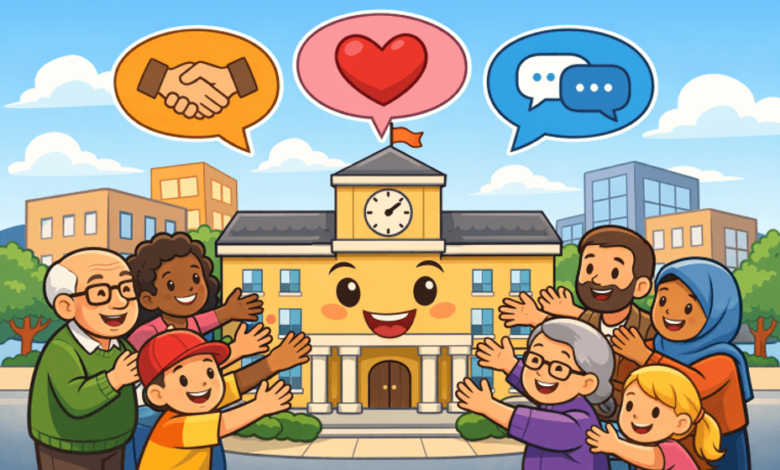
Establishing strong relationships between city governments and their communities is essential for fostering trust, promoting civic engagement, and ensuring sustainable development. These partnerships enable cities to address challenges collaboratively and create environments where residents feel valued and heard. In many cases, partnering with a local government relations company can provide municipalities with the expertise and tools needed to bridge gaps and streamline communication with local stakeholders.
When local governments and residents work together, cities see higher public satisfaction, better policy outcomes, and enhanced resilience in the face of changes. The strength of these relationships can mean the difference between thriving neighborhoods and those struggling with disengagement or mistrust. Research indicates that communities that are deeply involved in decision-making processes benefit from improved mental health, stronger economies, and safer environments.
Cities that prioritize transparent communication and inclusive engagement set themselves up for long-term success. Proactively inviting input and demonstrating a commitment to honoring community voices builds credibility for local leaders. Additionally, sustained outreach efforts help ensure that development remains equitable and representative of all groups, especially those that have historically felt left out of policy decisions.
Strategic partnerships between cities and residents encourage innovation, boost volunteerism, and motivate broader participation in critical initiatives. These relationships go beyond routine town hall meetings, aiming to make every resident feel like a valued contributor to their city’s future.
Importance of City-Community Relationships
Strong city-community relationships are the foundation of a thriving urban environment. Civic trust, regular interaction, and shared goals foster an atmosphere where innovative solutions can emerge. When city governments prioritize open dialogue and advocate for equitable participation, they lead to policies that better reflect residents’ true needs and aspirations. Further, engaged communities help shape neighborhoods that are more inclusive, economically vibrant, and resilient in the face of challenges.
Strategies for Effective Engagement
To build and maintain effective city-community relationships, consider these proven strategies:
- Transparent Communication: Make information about city initiatives, policies, and decisions easily accessible. This can include regular newsletter updates, detailed websites, and clear public records.
- Inclusive Participation: Host public meetings at convenient times, use multiple languages, and ensure accessibility to give all residents opportunities to engage. Use digital tools, such as surveys and virtual events, to reach broader audiences.
- Collaborative Planning: Involve residents directly in project planning and implementation. Community advisory boards, neighborhood planning councils, and participatory budgeting are impactful approaches.
- Responsive Feedback Mechanisms: Implement systems to gather and act on public input. Respond promptly to community feedback and explain how resident contributions influenced decisions.
Implementing these strategies requires consistency and a willingness to adjust based on what works best for each unique community.
See also: Essential Dental Routines by Age: A Lifetime Guide to Healthy Oral Hygiene
Case Studies of Successful Partnerships
San Francisco’s CityBuild Program
San Francisco’s CityBuild program has set a benchmark in workforce development by directly connecting residents to skilled trades jobs. Since its inception, CityBuild has graduated over 2,100 individuals and placed nearly 1,800 in union apprenticeships. This focus on meaningful, career-oriented partnerships has helped nurture economic advancement while addressing local employment gaps.
Racine’s Community-Oriented Policing (COP) House
In Racine, Wisconsin, the introduction of Community-Oriented Policing (COP) Houses has brought law enforcement and residents together in authentic ways. The newly established downtown COP House fosters daily engagement between officers and the community, going beyond traditional policing to focus on trust-building, crime prevention, and community-led activities. Data show drops in crime and increases in neighborhood cohesion as a result of these efforts.
Overcoming Challenges in Collaboration
Though collaboration is rewarding, it is not without obstacles. Among the most common challenges are:
- Resource Limitations: Many cities struggle to secure funding and personnel for sustained engagement. Solutions include creative partnerships with nonprofits, securing state or federal grants, and mobilizing local volunteers.
- Community Skepticism: Past disappointments or lack of transparency may create a barrier to trust. Overcome this by openly communicating progress, following up on commitments, and inviting resident input at every stage.
- Diverse Interests: Urban communities contain a range of viewpoints and priorities. Facilitate open forums and small group discussions to ensure all perspectives are considered. Mediation services can also help resolve conflicts.
Measuring Success and Impact
Effective city-community relationships can be measured with both quantitative and qualitative metrics:
- Community Satisfaction Surveys: Gather consistent feedback on city services, perceived responsiveness, and public trust in government.
- Participation Rates: Track attendance and engagement across public meetings and events, as well as digital channels.
- Project Outcomes: Evaluate how well collaborative initiatives fulfill stated goals and address residents’ needs.
Analyzing these results not only highlights successes but also pinpoints areas requiring adjustment—helping cities to continuously improve and adapt their approaches.
Conclusion
Investing in strong city-community relationships is vital for the long-term success and resilience of urban areas. By fostering trust, encouraging active participation, and collaborating on initiatives, cities create inclusive environments that reflect the diverse needs and aspirations of their residents. When governments prioritize these partnerships, they lay the groundwork for sustainable growth, safety, and prosperity for all.