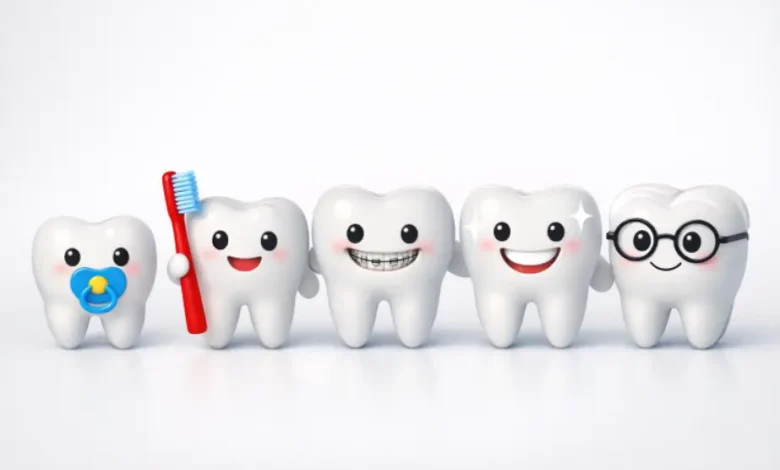
Maintaining good oral health is crucial at every stage of life for both overall health and confidence. Building the right dental habits early and updating your routines as you age can prevent costly, painful issues later on. For those seeking expert guidance on age-appropriate care, a dentist in Williamsburg can offer tailored advice and professional treatment options to keep your smile healthy at any age.
Oral hygiene practices should adapt as you move through different life phases, from infancy to senior years. Following recommended routines and being consistent with checkups will help ward off cavities, gum disease, and other oral health problems. Alongside home care, establishing a partnership with a trusted dental professional is essential for achieving optimal oral health and catching potential issues early.
Infants and Toddlers (0–3 Years)
Oral care should start before your child has any teeth. Gently wiping your baby’s gums with a damp cloth after feedings removes bacteria and helps your child become familiar with daily oral care. When the first tooth appears, use a soft-bristled, age-appropriate toothbrush with a small smear of fluoride toothpaste to gently brush twice a day. Avoid letting babies fall asleep with a bottle, especially one containing juice or milk, as this can lead to early childhood tooth decay—a problem known as “bottle mouth.” Regular dental visits during these years allow parents to address concerns early and receive ongoing guidance on best practices for their children.
Children (4–12 Years)
As children become more independent, they can gradually take on more responsibility for brushing and flossing. Supervision is still recommended until at least age 8 to ensure proper technique. Children should brush twice a day with a pea-sized amount of fluoride toothpaste and floss once daily. Scheduling regular dental check-ups and cleanings, and discussing the possibility of dental sealants, are important steps in cavity prevention. Limiting sugary snacks and drinks can also greatly reduce the risk of decay. According to the Centers for Disease Control and Prevention, cavities are one of the most common chronic diseases in children, but they are largely preventable with good care and a balanced diet.
Teenagers (13–19 Years)
Teenagers often encounter new oral health challenges, including orthodontic treatments like braces and the emergence of wisdom teeth. It becomes especially important to practice diligent oral hygiene to avoid plaque buildup around braces, wires, or retainers. Brushing after every meal and daily flossing can reduce the risk of cavities and gum inflammation. Teens should also be informed about the dangers of smoking, vaping, or using tobacco and the impact these habits have on oral health. Oral piercings can introduce bacteria, increasing the risk of infections. Encouraging consistent dental visits will ensure guidance during these critical years. More information about oral health in adolescence can be found on the American Dental Association’s MouthHealthy site.
See also: How Modern HVAC Technology Is Shaping Healthier Living Spaces
Adults (20–64 Years)
For adults, proper dental care helps prevent gum disease and tooth loss as the risks of these problems increase with age. Brushing twice a day with fluoride toothpaste and flossing daily remain foundational. Adults should also use an antibacterial mouthwash and maintain regular dental check-ups, including cleanings and screenings for early warning signs of gum disease or oral cancer. Lifestyle choices, such as consuming a balanced diet low in added sugars and not smoking, play a major role in maintaining oral health. Those with chronic health conditions like diabetes should take extra care, as these conditions can influence oral health outcomes.
Seniors (65+ Years)
Oral health does not lose its importance with age. Seniors often face specific challenges, such as dry mouth caused by medications or a greater risk of gum disease. Staying hydrated, using recommended saliva substitutes, and talking with dentists about ways to manage dry mouth are key to reducing the risk of tooth decay. For those with dentures or dental implants, proper daily care and regular check-ups are just as critical in preventing bacterial infections and ensuring fit and comfort. Seniors should also receive regular screenings for oral cancer and gum disease to prompt early intervention.
Conclusion
Developing and maintaining proper dental routines at every life stage is essential for a healthy smile. By adapting oral care practices through the years, from infancy through senior adulthood, and partnering with dental professionals for regular check-ups, everyone can enjoy strong, healthy teeth and gums throughout their lives. Remember, prevention and consistency are the most effective strategies for long-lasting oral health, providing benefits well beyond just your smile.