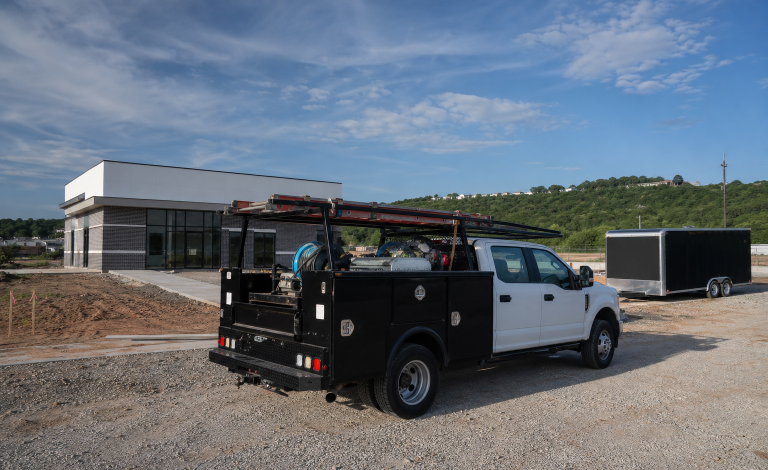
For a Tulsa small business, a work vehicle has to do more than look capable. It may need to carry tools across town, tow equipment to a jobsite, protect supplies during Oklahoma storms, and remain practical in tight customer driveways or crowded parking areas. Whether you run a trade business, landscaping crew, delivery route, or mobile service operation, browsing used work trucks for sale in Tulsa with financing options is most productive when you first know exactly what the vehicle must accomplish each day.
The right choice is rarely the biggest truck on the lot. A vehicle that is too small can require extra trips, overload storage areas, and slow down the crew. One that is larger than necessary can cost more to fuel, insure, maintain, and park. The goal is to select a reliable truck, van, or commercial setup that matches your real workload and leaves reasonable room for growth.
Why Vehicle Fit Matters More Than Maximum Power
A powerful truck may be appropriate for a business that regularly pulls heavy equipment, but power alone does not determine whether it is a good fit. A Tulsa electrician who carries parts, hand tools, ladders, and small equipment may benefit more from enclosed and organized storage than maximum towing capacity. A landscaper may need open-bed space for debris, mowers, and materials. A contractor who frequently tows a trailer may need a properly equipped truck with suitable towing ratings, hitch equipment, and trailer brakes.
Think about the workday from start to finish. The ideal vehicle should load easily, protect valuable equipment, reach the jobsite, and help the driver complete work without unnecessary detours or repeated loading and unloading.
Start With a Simple Workload Audit
Before shopping, create a written record of a normal week and a busy week. Estimate weights whenever possible rather than guessing.
- List the tools, materials, parts, and equipment normally carried.
- Record how many employees or passengers ride in the vehicle.
- Identify every trailer, machine, or load that may be towed.
- Note daily mileage, highway travel, unpaved jobsites, parking limits, and garage access.
- Mark cargo that needs weather protection, security, shelving, refrigeration, or easy access.
- Consider changes that are realistically likely during the next two to three years.
Pickup Truck, Cargo Van, or Chassis Cab?
Pickup Trucks
Pickup trucks work well for open-bed cargo, jobsite access, trailer use, and mixed personal and business driving. Bed covers, toolboxes, racks, and tie-downs can make a pickup more useful, but they also add weight and take up space.
Cargo Vans
Cargo vans are often a practical choice for technicians, delivery businesses, and service providers who need enclosed storage. Shelving, partitions, and bins can keep tools organized and out of sight, while the enclosed cargo area helps protect supplies from rain, wind, and dust.
Chassis Cabs and Box Trucks
A chassis cab can support specialized equipment such as a utility body, service body, dump body, or flatbed. Box trucks are useful when a business regularly moves large volumes of enclosed cargo. These options can improve efficiency, but buyers should account for the added cost and weight of the body and upfit.
Payload and Towing Ratings Explained
Payload is the weight carried by the vehicle itself. It includes people, tools, materials, cargo, and installed accessories. Towing capacity is the weight a vehicle can pull when it is properly configured. They are related, but they are not interchangeable.
Do not rely on a model name alone. Cab size, bed length, engine, drivetrain, axle ratio, factory equipment, and upfits can affect a specific vehicle’s ratings. Check the vehicle’s label, owner information, and manufacturer specifications for the exact configuration. Leave a practical margin below the maximum rating instead of planning to operate at the limit every day.
Cab, Bed, Wheelbase, and Storage Choices
A regular cab can preserve bed length, while an extended or crew cab provides more passenger space. A longer bed can handle longer materials, but it may be more difficult to maneuver in older neighborhoods, parking lots, and on compact job sites. Longer wheelbases may also require more turning room.
Plan storage around the way your crew works. Useful additions may include ladder racks, lockable boxes, shelving, partitions, bed covers, cargo slides, trailer brake controllers, and strong tie-down points. Confirm that the finished setup still has enough available payload to carry the people and materials.
Gas, Diesel, Hybrid, or Electric?
- Gas engines can suit lighter loads, local work, and businesses that value widely available service options.
- Diesel engines may make sense for frequent heavy towing, high-mileage routes, or demanding commercial use.
- Hybrid powertrains can be worth comparing for stop-and-go driving and repeated local trips.
- Electric vehicles can fit predictable routes when dependable charging access and range requirements align with the workday.
Compare powertrains based on route length, load weight, idle time, energy or fuel costs, maintenance expectations, and charging availability. A trend is not a business case. The best option is the one that supports your actual operations.
Calculate Total Cost of Ownership
The purchase price is only the opening number. Your budget should also include loan or lease payments, fuel or charging, insurance, registration, routine maintenance, tires, brakes, repairs, upfits, and potential downtime. A less expensive truck that requires frequent repairs can end up costing more than a well-maintained alternative.
Keep clear records of business miles and vehicle expenses, then discuss your situation with a qualified tax professional.
Used Work Truck Inspection Checklist
- Verify the vehicle identification number, title status, and maintenance history.
- Inspect the frame, suspension, tires, brakes, bed, doors, hitch, and electrical connections.
- Look for evidence of overloading, hard towing, corrosion, flood damage, or poor repairs.
- Test the steering, transmission, lights, climate controls, cameras, and safety features.
- Inspect racks, shelving, liftgates, toolboxes, and other upfits for damage or unsafe installation.
- Arrange an independent mechanical inspection before committing to a purchase.
Before buying, use the vehicle identification number to check for open safety campaigns through the federal vehicle recall lookup. A recall search does not replace an inspection, but it is a sensible part of a complete review.
Safety Features and Common Buying Mistakes
Consider automatic emergency braking, blind-spot monitoring, rear cross-traffic alerts, backup cameras, parking sensors, lane warnings, secure cargo restraints, and trailer brake controls where appropriate. Electronic systems are helpful, but proper loading, driver training, tire checks, regular inspections, and safe following distances remain essential.
Avoid buying based only on appearance, using a maximum tow rating without considering cargo and passengers, overlooking the weight of upfits, skipping a used-vehicle inspection, or purchasing far more capacity than the business will realistically use.
See also: How Modern HVAC Technology Is Shaping Healthier Living Spaces
Conclusion
The best work truck for a Tulsa business is the vehicle that reliably handles its day-to-day operations, fits its routes and job sites, and stays within a sustainable operating budget. Define the workload first, verify exact ratings, inspect carefully, and choose enough capacity for realistic growth. That approach can turn a work vehicle from a monthly expense into a dependable part of the business.