How to Choose Window Coverings for Light, Privacy, and Energy Comfort in Kansas City, Missouri

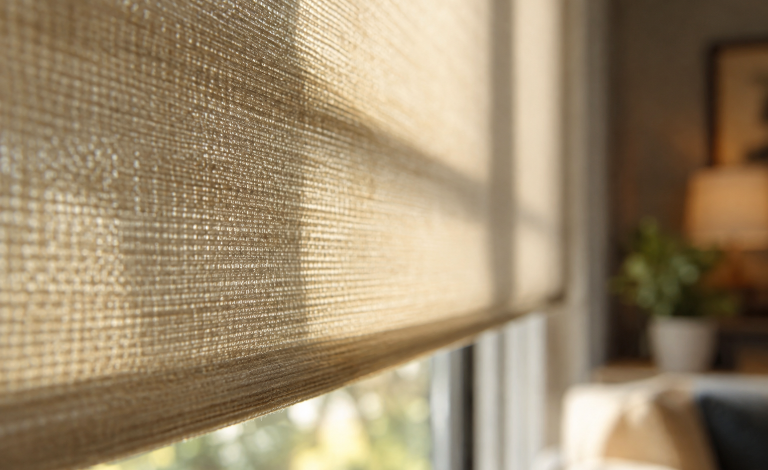
Kansas City homes experience bright summer afternoons, cold winter evenings, and plenty of changing daylight in between. That makes window coverings more than a decorative finishing touch. The right choice can make a bedroom darker, a work screen easier to see, or a sitting area more comfortable near a sunny window.
Whether you are updating one room or planning window shades installation Kansas City homeowners can use this room-by-room approach to make practical decisions. Start by identifying what each window needs to do, then compare materials, opacity, fit, and operation before committing to a style.
Why a Room-By-Room Plan Matters
A single treatment rarely works perfectly everywhere. A bedroom near a streetlight may need stronger light control and privacy, while a living room may benefit from filtered daylight that preserves an outdoor view. Kitchens and bathrooms introduce moisture and cleaning concerns. Home offices need glare management without turning the workspace into a dark box.
Before shopping, spend a day noticing each window at breakfast, midday, late afternoon, and after dark. East-facing windows often receive their strongest sunlight in the morning, while west-facing windows can create late-day heat and glare. North-facing windows usually receive softer, more consistent light, and south-facing windows may remain bright for much of the day.
Step 1: Define the Main Goal for Every Window
Write down the leading problem for each opening. This simple step prevents a beautiful fabric or finish from becoming an impractical purchase.
- Morning or afternoon glare
- Street-facing or neighbor-facing privacy
- Room darkening for sleep or television viewing
- Direct sun on furniture, flooring, or artwork
- Discomfort near cold glass during winter
- Easy operation for tall, wide, or hard-to-reach windows
Step 2: Compare Light-Filtering Options
Opacity descriptions can help narrow the field, but samples should still be viewed in the actual room. Interior lighting also matters. A covering that feels private during the day may reveal silhouettes after dark when lights are on indoors.
- Sheer: Softens daylight and maintains an airy feeling, but usually provides limited nighttime privacy.
- Light-filtering: Reduces harsh brightness while keeping the room visibly lit.
- Room-darkening: Cuts a substantial amount of incoming light and can suit bedrooms or media spaces.
- Blackout: Offers the strongest light reduction, especially when the treatment covers the opening generously.
Blackout fabric alone does not guarantee total darkness. Light can enter around the top, sides, and bottom. An outside mount, wider side coverage, or layered treatment can help reduce those edge gaps when sleep or screen viewing is the priority.
Step 3: Match the Covering to the Room
Living Rooms and Dining Areas
Light-filtering shades, adjustable blinds, and textured fabrics can soften strong daylight without making shared spaces feel closed off. Consider a treatment that can be raised or tilted when you want a clear view, then adjusted when the afternoon sun reaches seating areas.
Bedrooms
Room-darkening or blackout options are often useful in bedrooms, particularly where exterior lighting, early sun, or late sunsets disrupt sleep. Layering a softer daytime treatment with a more opaque shade can offer flexibility, privacy, and a finished appearance.
Home Offices
Computer screens make glare especially noticeable. Adjustable coverings or solar-style materials can diffuse direct sun while allowing useful daylight into the workspace. Test samples beside the monitor at the time of day when glare is worst.
Kitchens and Bathrooms
Choose materials that tolerate humidity and can be wiped clean. Delicate fabrics may be less practical near sinks, stoves, and steamy showers. Simple profiles also make it easier to manage dust, cooking residue, and moisture.
Step 4: Plan for Energy Comfort
Window coverings do not replace weatherstripping, insulation, or well-performing windows, but they can improve comfort near glass. Cellular styles use air pockets to add insulation, while solar and reflective materials can help manage direct sunlight and glare. The energy performance of cellular window shades has been studied by the U.S. Department of Energy as part of broader work on window attachments.
In Kansas City, it can be useful to close sun-facing coverings during the hottest part of a summer day and close insulating treatments on cold winter evenings. Check product-specific ratings and features rather than relying on broad energy-saving promises.
Step 5: Put Safety Before Style
Loose or looped cords can create a serious hazard for young children. The Consumer Product Safety Commission advises that cordless window coverings are the safest option when young children are present. Keep cribs, beds, sofas, toys, and climbable furniture away from cords, and inspect older coverings for exposed loops or dangling pulls.
Step 6: Choose the Right Mount and Measure Carefully
An inside mount fits within the window frame and creates a clean, built-in look, but it may allow more side light. An outside mount covers more of the opening and sometimes the surrounding trim, which can improve privacy and light control. It can also be helpful for shallow, uneven, or obstructed frames.
- Use a steel tape measure.
- Measure width at the top, middle, and bottom.
- Measure height on the left, center, and right.
- For an inside mount, follow the manufacturer’s instructions on which measurement to provide.
- Check frame depth, handles, trim, vents, and inward-opening windows.
- Measure every window separately, even when two windows look identical.
Step 7: Decide if Smart Controls Add Value
Motorized shades can be useful for tall windows, wide openings, or areas that are difficult to reach safely. Timers and schedules may also help manage sunlight consistently. Still, smart controls cannot fix poor measurements, excessive edge gaps, or a fabric that does not suit the room.
Common Mistakes to Avoid
- Choosing color before defining the window’s primary need.
- Assuming blackout material eliminates all edge light.
- Using the same opacity throughout the house.
- Ignoring nighttime privacy.
- Measuring only once or overlooking trim and handles.
- Expecting coverings to correct major drafts or insulation problems.
See also: How to Build a Monthly Bookkeeping Routine That Supports Small Business Growth in Ottawa, Ontario
A Simple Kansas City Buying Checklist
Before ordering, confirm the room’s main goal, window direction, desired daylight level, nighttime privacy needs, moisture exposure, child-safety requirements, mounting choice, and operating method. The best window covering is not necessarily the most elaborate option. It is the one that fits correctly, responds to the room’s light, supports everyday privacy, and makes the space more comfortable through Kansas City’s changing seasons.