Ottawa roofs face a demanding mix of snow, freeze-thaw weather, spring rain, summer heat, wind, and falling branches. A seasonal routine helps homeowners spot small problems before moisture reaches the attic, walls, or ceilings. When damage is visible, access is difficult, or safety is uncertain, Hire Professional Ottawa Roofers rather than attempting a risky repair. This practical 2026 roof care calendar is designed for Ottawa homes, from older neighborhood properties to newer suburban houses. You do not need to climb onto the roof for most checks. Ground-level observations, attic inspections, and attention to gutters can reveal many issues early.
Why Seasonal Roof Care Matters
Roof problems rarely appear all at once, and understanding the basic components of modern roofing systems can make seasonal warning signs easier to recognize. Repeated freezing and thawing can stress shingles, flashing, sealants, gutters, and roof edges. Rain can reveal drainage failures, while sunlight and summer heat can accelerate the aging of exposed roofing surfaces. A routine is more useful than waiting for a stain or drip to become obvious. Seasonal maintenance also supports broader home preparedness. Ottawa homeowners can use resources to take action on climate change at home, including reminders to manage water use, protect vulnerable areas, and prepare for severe weather.
Early Spring: Check for Winter Damage
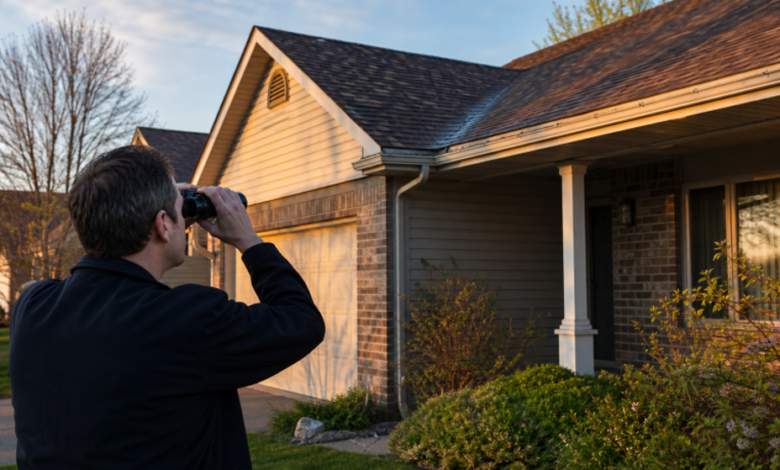
Once snow and ice have cleared, walk around the property and look up from several angles. Binoculars can help you inspect details without leaving the ground. Look for missing, lifted, curled, cracked, or displaced shingles, especially near roof edges and valleys.
- Check soffits, fascia, vents, and eaves for loose or damaged sections.
- Look inside the attic for damp insulation, dark marks on wood, or daylight through the roof deck.
- Examine upper-floor ceilings and walls for water stains, bubbling paint, or fresh discoloration.
- Inspect gutters for sagging sections, loose fasteners, and shingle granules.
- Confirm that downspouts discharge water away from the foundation.
Late Spring: Prepare for Heavy Rain
A roof may look intact, yet blocked gutters or poor drainage can cause water to run toward the fascia, walls, windows, and the foundation. Clear leaves, twigs, sediment, and other debris from gutters after nearby trees begin shedding material. Then test each downspout with a hose, if conditions are safe, to ensure water flows freely. Pay close attention to roof-to-wall connections, skylights, chimneys, vents, and valleys, where water is commonly directed or interrupted. Peeling paint, a musty attic smell, darkened wood, or recurring dampness can signal that moisture is getting where it should not. Repeated wet weather deserves attention even if there is no dramatic interior leak.
Summer: Watch for Heat and Storm Stress
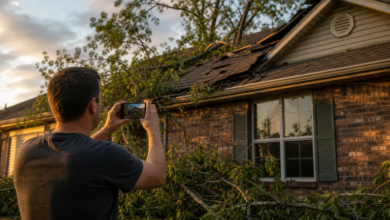
Ottawa summers can bring strong sun, heavy rain, gusty wind, hail, and branch damage. After a major storm, inspect the yard and roofline for fallen limbs, loose materials, bent gutter sections, damaged vents, and shingle debris. Take clear photographs of visible damage before moving debris or arranging repairs, particularly if an insurance claim may be necessary. Summer is also a sensible time to check the attic’s condition. Excessive heat, stale air, or moisture may indicate ventilation issues. Insulation should be dry and reasonably even, while attic vents should remain clear of stored belongings, insulation, nests, or other obstructions.
Early Fall: Complete a Full Roof Check
Early fall offers a valuable repair window before snow and freezing conditions make exterior work more difficult. Use this checklist to prepare the roof and drainage system for winter:
- Inspect roof edges and visible shingle areas from stable ground.
- Clean gutters and confirm downspouts are firmly attached.
- Trim dead or overhanging branches that could scrape or strike the roof.
- Check attic insulation for gaps, damp spots, compression, or signs of pests.
- Review older repairs and monitor any areas that have leaked before.
- Schedule needed repairs while roofing materials and access conditions are manageable.
Winter Preparation: Snow, Ice, and Ventilation
Never walk on an icy or snow-covered roof. If snow accumulation at the eaves needs attention, a roof rake may be used from the ground when it can be handled safely. Government guidance on clearing snow and ice from a home recommends working carefully, removing manageable amounts, and seeking help when needed. Heavy snow buildup, steep slopes, ice dams, and hard-to-reach roof sections call for professional assessment. Ice dams can develop when uneven roof temperatures melt snow above the roof surface, and the water refreezes near the colder eaves. Heat loss, insulation gaps, poor attic airflow, and blocked drainage can all contribute to the problem.
Roof Warning Signs That Need Attention
- Water stains on ceilings, upper walls, or around light fixtures.
- Cracked, blistered, loose, or missing shingles.
- A sagging roofline or visibly uneven roof deck.
- Large amounts of granules are collected in gutters.
- Daylight, damp insulation, or moisture marks in the attic.
- Rusting flashing, loose fasteners, or damaged vent boots.
- Recurring ice dams, drafts, or unexplained attic moisture.
Safe DIY Maintenance Tips
Limit DIY work to tasks you can complete safely. Use binoculars for initial inspections, wear gloves around metal edges and wet debris, and place ladders only on firm, level ground. Have another adult nearby when using a ladder. Avoid pressure washing shingles, which can damage roofing materials, and do not temporarily cover a leak without first investigating where the water is entering.
When to Arrange a Professional Inspection
Arrange a professional inspection after major wind, hail, ice, or heavy snow events, especially if materials are missing or water appears indoors. Professional help is also appropriate for recurring leaks, wet attic insulation, rot, mold-like odors, steep or aging roofs, and homes being bought or sold.
See also: How to Prepare Your St. Louis County, Missouri Home for a Roof Inspection After Severe Weather
Common Questions About Roof Care
How often should a roof be checked?
Two visual checks per year, usually in spring and fall, provide a useful starting point. Add inspections after severe storms or when you notice a new stain, draft, gutter problem, or attic moisture.
Should homeowners remove snow from a roof?
It depends on the roof design, snow buildup, access, and safety conditions. Do not climb onto an icy roof. Ground-level roof-rake work may be suitable in some situations, while heavy buildup and ice dams may require professional help.
Can gutters affect roof health?
Yes. Blocked, loose, or poorly draining gutters can allow water to back up near roof edges, fascia, and exterior walls. Keeping them clear helps water move away from the home.
Is a small ceiling stain always serious?
A small stain may be old, but it can also indicate active or recurring moisture. Identify and address the source before repainting, since cosmetic repairs do not stop a leak.
Roof care is easiest when it follows Ottawa’s seasons. A brief check in spring, summer, fall, and winter can help identify issues before they spread. Keep inspections safe, address drainage problems promptly, and bring in qualified help whenever damage or roof access poses a risk.
Conclusion
Maintaining a roof in Ottawa is easier when inspections and preparation follow the seasons. Spring checks can help identify winter damage, while summer inspections provide an opportunity to look for storm-related problems and attic moisture. Before fall and winter arrive, homeowners can focus on gutters, downspouts, branches, visible roofing materials, attic conditions, and previously repaired areas. Ground-level observations can reveal many concerns without requiring homeowners to climb onto the roof. Snow and ice should also be approached carefully, particularly on steep or difficult-to-access roofs. Warning signs such as recurring leaks, damaged shingles, sagging areas, wet insulation, or persistent ice dams should not be ignored. When a problem requires roof access, specialized equipment, or professional assessment, qualified roofing help can provide a safer approach. A consistent seasonal routine can help Ottawa homeowners identify issues earlier and keep roof maintenance manageable year-round.