
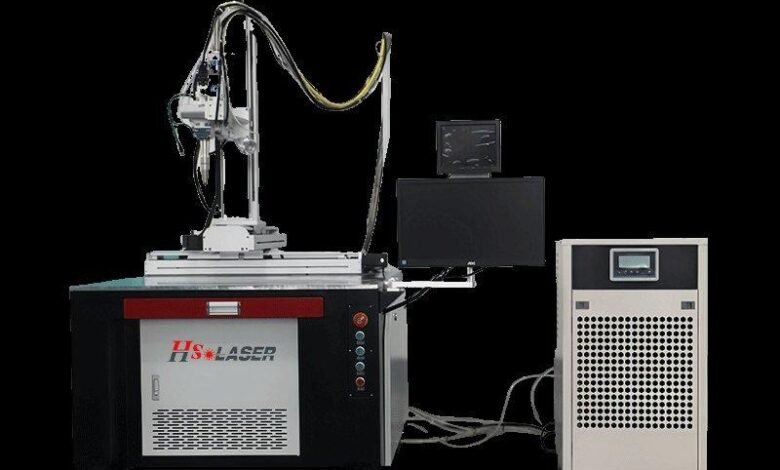
Laser equipment is no longer confined to high-end factories. It now appears in car plants, aerospace workshops, hospitals, jewellers’ benches and shipyards, doing jobs that range from cutting body panels to marking surgical tools. Each industry uses the technology differently, and understanding those uses helps explain why choosing the right laser equipment manufacturer has become such an important decision. The same beam of light can cut, weld, clean or mark, and the value of the machine depends on matching the right system to the right task.
Automotive and Transport
The automotive industry was one of the earliest large-scale users of laser equipment, and it remains one of the biggest. Lasers cut body panels and chassis parts at high speed, weld car bodies with narrow, strong seams, and mark parts with permanent identification codes. Battery production for electric vehicles has added a whole new area of work: laser welding joins thin foils and tabs inside battery cells with the precision that the technology demands. A laser equipment manufacturer serving this sector must understand cycle times, automation and integration with production lines, because a machine that cannot keep pace with the line is of little use. The same skills transfer to rail, agriculture and other transport industries, where strong, repeatable welds and fast cutting matter just as much.
Aerospace and Defence
Aerospace work demands accuracy and traceability above all. Laser cutting produces turbine parts and airframe components with tight tolerances, while laser marking puts permanent, readable codes on parts that must be tracked for the life of an aircraft. Welding is used for fuel system components and structural parts where a narrow heat-affected zone protects the strength of the surrounding metal. Because aerospace materials include titanium and specialist alloys, the laser equipment manufacturer must know how each material responds to the beam and which settings produce a sound result. Documentation and process control matter here too, since every weld and cut may need to be recorded and checked.
Medical Devices and Electronics
In medical manufacturing, lasers mark surgical instruments, implants and devices with codes that survive sterilisation and years of use. The marking must be crisp, permanent and free of any residue, which is exactly what a focused laser delivers. Laser welding joins tiny components in pacemakers, sensors and catheters, where the parts are often smaller than a grain of rice. Electronics manufacturing uses lasers to cut circuit boards, mark components and weld battery connections. In both fields, cleanliness and precision are essential, and a laser equipment manufacturer working in these sectors needs to understand clean-room practice and the fine control that small parts require.
Heritage, Restoration and Specialist Crafts
Lasers also serve gentler purposes. Conservators use laser cleaning to remove soot and grime from stone, bronze and historic artefacts without harming the surface beneath. Jewellers use small laser welders to repair delicate chains and set stones, working under a microscope with a beam no wider than a hair. Mould makers clean injection moulds with lasers instead of abrasives, protecting the polished surface. These jobs show the range of the technology: the same principle that cuts steel plate can also clean a centuries-old statue. A laser equipment manufacturer that serves these niches needs patience, testing and a willingness to work on unusual, one-off jobs.
Construction, Energy and Heavy Industry
In heavier industries, laser cutting shapes structural steel and plate, while laser cleaning prepares surfaces for painting or welding by removing rust, scale and old coatings. Energy companies use laser cleaning on turbines and pipelines, and shipyards use it to prepare hulls. The equipment for this work is often portable, built to be carried to the job rather than installed in a clean workshop. Here the laser equipment manufacturer must build machines that are tough, simple to operate and easy to maintain in difficult conditions.
5 Industries Transformed by Laser Equipment
- Automotive: fast cutting, body welding and battery production.
- Aerospace: precision parts, permanent marking and traceability.
- Medical: marking instruments and welding tiny components.
- Heritage: gentle cleaning of stone, bronze and artefacts.
- Heavy industry: surface preparation, plate cutting and repair.
Getting the Most from Your Laser Equipment
Buying the machine is only the beginning. The workshops that get the best results from laser equipment invest in their operators, keeping training up to date and recording the settings that work for each material and job. A laser equipment manufacturer can help with this, offering refresher training and advice when a new material or a difficult job appears. Regular maintenance matters too: clean optics, correct cooling and timely service keep the beam performing as it should. Finally, keep talking to the laser equipment manufacturer you choose. As your work grows, the same company can advise on upgrades, additional machines and automation, turning a single purchase into a lasting partnership that supports your business.
Frequently Asked Questions
Which industry uses the most laser equipment?
Automotive manufacturing is the largest single user, followed by aerospace, electronics and general metal fabrication. Use is growing quickly in battery production and heritage conservation.
Can one machine serve several industries?
Some machines can, especially marking and cleaning systems, but cutting and welding systems are usually chosen for a specific range of materials and thicknesses.
Why do so many industries trust laser technology?
Because it is precise, repeatable and contact-free. Once a process is set up correctly, a laser produces the same result thousands of times, with very little variation.
See also: How General Dentistry Detects Issues That Impact Cosmetic Outcomes
Final Thoughts
From car factories to museum workshops, laser equipment has found a place wherever precision and repeatability matter. Each industry asks something different of the technology, and the best results come from a laser equipment manufacturer that understands the specific demands of your sector. When the machine and the application match, the laser becomes one of the most productive tools in the workshop. When you are ready to buy, a laser equipment manufacturer that understands your sector will help you choose the right system for your work.


