You may be thinking about whitening, bonding, veneers, or a full smile refresh, and on the surface it seems simple. If the goal is cosmetic, why spend time on a general dental exam first? Because the things you do not see often shape the final result more than the treatment itself. A bright smile does not stay bright for long if decay is hiding between teeth, if your gums are inflamed, or if your bite is wearing enamel down every night. In some cases, concerns discovered during the exam may also require care from an emergency dentist in Kingston before cosmetic treatment begins.
That is where general dentistry matters. A skilled exam catches the small problems that can ruin the look, comfort, and lifespan of cosmetic work. How general dentistry detects issues that impact cosmetic outcomes comes down to one idea. Healthy teeth and gums give cosmetic treatment something stable to sit on. Without that foundation, the result can look uneven, fail early, or cost more to fix later.
General dentistry finds the problems cosmetic treatment can hide for a while
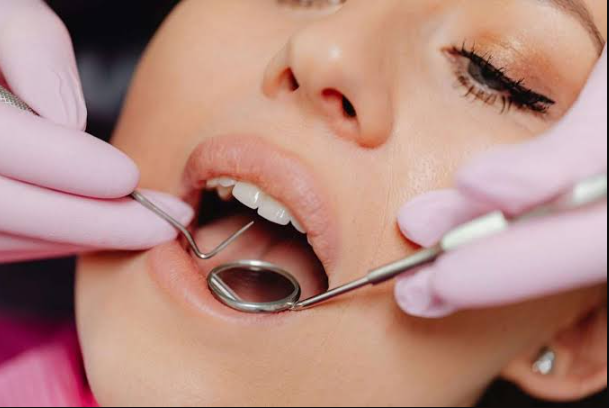
Cosmetic concerns are easy to notice. You see stains, chips, gaps, or shapes you do not like. Hidden disease is different. It often stays quiet until it turns into pain, swelling, recession, or a restoration that no longer fits right. A general and cosmetic dentist looks beyond color and symmetry. The exam usually checks for decay, gum disease, enamel wear, cracks, bite imbalance, old fillings that are leaking, and signs of grinding.
Take tooth discoloration. You might assume whitening is the answer. Sometimes it is. Sometimes the darker area is decay, an old filling showing through, or a tooth that has changed internally after trauma. Whitening over that does not solve the real issue. It can even make the mismatch stand out more.
The same pattern shows up with crooked or uneven teeth. A patient may want veneers because one front tooth looks shorter. The real cause might be gum recession, bite trauma, or years of clenching. If that is not addressed first, the cosmetic fix can chip, feel bulky, or age faster than expected.
This is why general dental exams for cosmetic treatment are not a formality. They are part of the treatment plan. They protect both the appearance and the investment.
See also: How To Match Santa Fe, New Mexico Neighborhoods, Home Styles, And Daily Life
Gum health changes the way cosmetic results look and last
Your gums frame every smile. If they are swollen, receding, or uneven, cosmetic work rarely looks as clean as you hoped. Early gum disease can be easy to miss at home because it may show up as mild bleeding or tenderness that comes and goes. A dental exam can catch those signs before they become bone loss or visible recession.
The National Institute of Dental and Craniofacial Research explains the warning signs and progression of gum disease. That matters for cosmetic planning because inflamed gums can distort tooth shape, affect impressions or scans, and change the final look of veneers, crowns, or bonding. If the gumline shifts after treatment, even beautiful work can start to look uneven.
You might have seen this happen without realizing what caused it. A person gets whitening, then notices one area near the gumline still looks dark. Another gets veneers, and months later the margins seem more visible because the gums have pulled back. The cosmetic work did not suddenly fail. The foundation changed.
Decay and enamel damage can limit cosmetic choices
Small cavities often hide in grooves, near old fillings, or between teeth. If you are focused on appearance, those areas can be easy to ignore until they become urgent. According to MedlinePlus, tooth decay starts quietly and can spread deeper into the tooth before pain begins. That is one reason a dentist may recommend treating decay before whitening or veneers.
Enamel wear matters too. If your teeth are thinning from grinding, acid exposure, or aggressive brushing, some cosmetic options need to be adjusted. Whitening can increase sensitivity. Bonding may need stronger support. Veneers may not be the first step if the bite is actively damaging the front teeth. In these cases, pre cosmetic dental evaluation helps map out what is safe, what is likely to last, and what should come first.
General dentistry protects cosmetic outcomes from bite and function problems
Looks and function are tied together more than most people expect. If your bite is off, one edge may hit harder than the others. That pressure can crack bonding, wear down polished surfaces, and shorten the life of crowns or veneers. A general dentist checks how your teeth meet, whether your jaw is straining, and whether grinding is leaving clues along the edges.
This is one of the clearest examples of why a general dentist is part of cosmetic planning, not separate from it. A smile can look great in the mirror and still be under stress every time you chew or sleep. The problem may not show up on day one. It shows up later as fractures, sensitivity, looseness, or repeated repairs.
What general dentistry can reveal before cosmetic treatment
| Finding | What You May Notice | Why It Affects Cosmetic Results |
|---|---|---|
| Early gum disease | Bleeding when brushing, mild puffiness | Can change the gumline and make results look uneven |
| Hidden decay | Often no symptoms at first | Can weaken teeth under whitening, bonding, or veneers |
| Enamel erosion | Sensitivity, teeth looking thinner or dull | Limits cosmetic options and raises the risk of damage |
| Bite imbalance or grinding | Jaw tension, worn edges, headaches | Can crack or shorten the life of cosmetic work |
| Failing old restorations | Rough edges, staining around fillings | Can affect color match, seal, and long term appearance |
Small preventive habits support cosmetic dental work
Daily care matters more once you invest in your smile. The Centers for Disease Control and Prevention shares practical oral health tips for adults that support both natural teeth and cosmetic restorations. Brushing with fluoride toothpaste, cleaning between teeth, limiting sugar, and keeping regular dental visits all reduce the risk of the hidden issues that undo cosmetic progress.
This is often the part people wish they had known earlier. Cosmetic treatment is not just about choosing the right procedure. It is about keeping the mouth healthy enough for that procedure to look natural and hold up over time.
Three steps you can take before moving forward
Schedule a full diagnostic exam first. Ask for an evaluation that includes gum health, decay screening, bite analysis, and a review of existing dental work. If you want cosmetic changes, say that early so the exam can be planned around your long term goals.
Fix active disease before changing appearance. Treat cavities, gum inflammation, and broken restorations first. It may feel slower, especially if you are eager to improve your smile, but this is what keeps cosmetic treatment from becoming a short term patch.
Ask how function affects the plan. If you grind, clench, or have uneven wear, ask how that changes your options. You may need a night guard, reshaping, or a phased plan before cosmetic work begins.
A healthy foundation gives cosmetic dentistry its best chance
If you have been focused on the visible flaws, that makes sense. Those are the things you live with every day. The hidden issues matter just as much, and catching them early can spare you frustration, extra cost, and results that never quite look right. The right path usually starts with health, then moves to beauty from a stronger place.
If you are considering treatment with a general and cosmetic dentist, start with a careful exam and a plan built around both appearance and oral health.