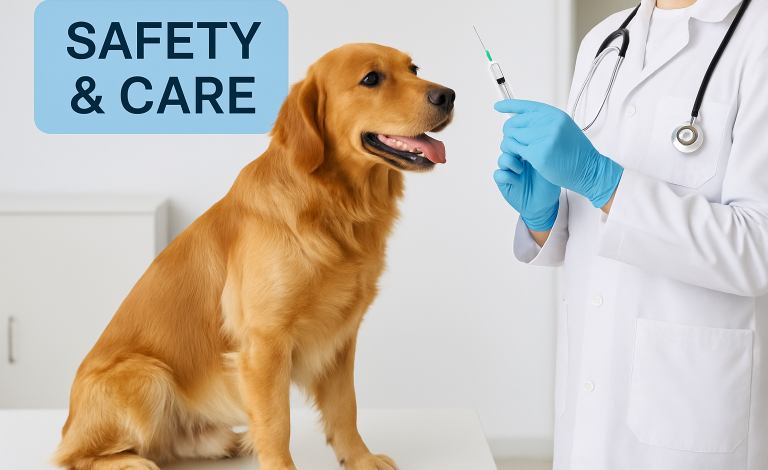
Keeping your dog protected against serious diseases is one of the most critical responsibilities for pet owners. Vaccines play a crucial role in preventing many illnesses that can threaten not just your dog’s health, but also the health of other animals and even people. Fortunately, access to Houston pet vaccinations and understanding which vaccines are necessary make it easier than ever to keep your pet healthy and safe.
Due to the prevalence of specific contagious and potentially deadly diseases, some vaccinations are classified as “core” and are recommended for all dogs. By ensuring your pet is up to date on these essential shots, you are giving them the best chance at a long and healthy life. These vaccinations also protect public health by helping prevent the spread of diseases that can be transmitted from dogs to humans or other animals.
While vaccinating your pet is straightforward, determining which vaccines are non-negotiable and understanding the scheduling can be complex. That’s why it is vital to be informed about the core vaccines every dog needs, and to stay proactive and consistent with boosters, regardless of your dog’s age or activity level.
Ultimately, vaccination is about prevention—helping avoid the dangerous consequences and high treatment costs associated with many infectious diseases. By following your veterinarian’s advice, you safeguard your own dog and contribute to the greater community of pet owners. For more insights from experts, explore recent updates at the American Animal Hospital Association.
What Are Core Vaccines?
Core vaccines are considered essential for every dog, regardless of age, breed, or lifestyle. These vaccines protect against highly contagious and severe diseases that are commonly found and carry significant risk—either to dogs directly, or to human health in the case of zoonotic diseases. The most important core vaccines for dogs typically include:
- Canine Distemper Virus (CDV)
- Canine Adenovirus (CAV, including types 1 and 2)
- Canine Parvovirus (CPV)
- Rabies Virus
- Leptospirosis
By making sure your dog receives these vaccines, you are taking steps to protect them from illness, reduce the spread of infectious diseases in your community, and comply with local legal requirements.
Canine Distemper Virus (CDV)
Canine distemper is one of the most dangerous diseases affecting dogs. It targets the respiratory, gastrointestinal, and nervous systems, and can be fatal, especially for puppies or unvaccinated dogs. Early symptoms include fever, coughing, and nasal discharge, but as the disease progresses, neurological complications such as seizures and paralysis can develop. Vaccination is the only reliable form of prevention, as treatment options are limited and primarily supportive.
Canine Adenovirus (CAV)
Canine adenovirus exists in two forms:
- CAV-1: Causes infectious canine hepatitis, affecting the liver and leading to symptoms such as fever, abdominal pain, and vomiting.
- CAV-2: Contributes to kennel cough, a respiratory infection that is highly contagious among dogs, particularly in boarding environments.
Vaccination for CAV-2 also offers protection against CAV-1, helping prevent both respiratory and hepatic forms of infection. This cross-protection is crucial for maintaining a robust defense against adenovirus-related diseases.
See also: Mastering Medical Billing Workflows A Complete Guide for Healthcare Practices
Canine Parvovirus (CPV)
Parvovirus is notorious for its rapid spread and severe symptoms. It attacks the intestinal tract, causing bloody diarrhea, vomiting, and dehydration. Young puppies and unvaccinated dogs are especially at risk. Due to the virus’s ability to survive for extended periods in the environment, vaccination is the safest and most effective method of prevention. Untreated parvovirus can be fatal within a short period, highlighting the importance of routine immunization.
Rabies Virus
Rabies is a deadly viral disease affecting mammals, including dogs, humans, and wildlife. It is transmitted through bites and affects the central nervous system. Once clinical signs appear, rabies is almost invariably fatal. Vaccinating dogs against rabies is not only a health safeguard but a legal requirement in many regions, designed to minimize the risk of transmission to humans. Regular boosters are necessary to maintain immunity.
Leptospirosis
Leptospirosis is caused by bacteria that can result in life-threatening kidney and liver issues in dogs. Infection is commonly contracted from stagnant water contaminated with the urine of infected animals, making active dogs that frequent parks and outdoor areas particularly vulnerable. Leptospirosis can also be transmitted to humans, which is why experts now consider this vaccine as core for all dogs. Annual vaccination helps ensure your pet—and your family—are protected. For additional guidance, see OSU’s leptospirosis vaccine viewpoint.
Vaccination Schedule
Puppies should typically start receiving their core vaccines between 6 and 8 weeks of age. Boosters are administered every three to four weeks until around 16 weeks old, establishing essential immunity during their most vulnerable phase. Adult dogs require ongoing boosters at intervals recommended by veterinarians—often annually or every three years, depending on the specific vaccine and regional guidelines. Factors such as health status, age, and local disease prevalence all influence the optimal schedule. For detailed guidance, review the AAHA Canine Vaccination Guidelines.
Consulting Your Veterinarian
Your veterinarian remains the best source of information and guidance regarding your dog’s vaccination needs. Each pet is unique, and factors such as medical history, home environment, travel plans, and lifestyle should be considered to determine the safest and most effective vaccination protocol. Regular consultations ensure your dog is protected according to the latest veterinary standards and scientific research.
Staying current with your dog’s vaccinations not only demonstrates responsible pet ownership but also contributes to the broader effort of disease prevention in the canine population. With the proper knowledge and professional support, you can be confident that your dog is getting the best possible start and ongoing care.