Energy-efficient windows are rapidly reshaping the landscape of modern home design. As families and homeowners look for practical ways to cut costs and live more sustainably, innovative window technology stands out as one of the most effective upgrades. By integrating features that reduce energy loss and optimize heating and cooling, these windows deliver impressive returns in both comfort and savings. Leading providers, such as JDI Windows, are committed to helping homeowners tap into the many benefits these advanced products can offer.
Beyond reducing utility bills, energy-efficient windows also help foster healthier living spaces. Advanced materials and construction techniques lead to better indoor air quality and greater year-round comfort. This is crucial as energy efficiency becomes a top priority in both building codes and homeowner preferences. With new innovations ranging from specialized glass coatings to adaptive smart technology, choosing the right windows can significantly impact your home’s overall performance.
The Role of Windows in Home Energy Efficiency
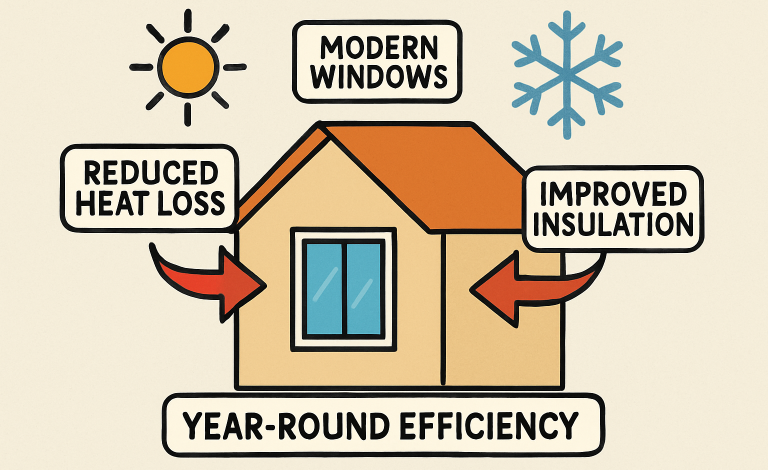
Windows have always been one of the weakest points in a building envelope in terms of thermal performance. Inefficient windows are known to account for up to 40 percent of a home’s total heat loss in winter, driving up energy bills and making temperature control a challenge. Upgrading to high-performance, energy-efficient windows can virtually eliminate drafts and noticeably reduce the strain on heating and cooling systems.
By properly sealing and insulating the edges and frames, and by utilizing advanced glass technologies, these windows can make an immediate difference. The results are evident not just in reduced monthly expenses, but also in consistently stable indoor temperatures despite seasonal extremes.
Innovations in Window Technology
The science behind modern windows has evolved dramatically over the past decade. Today, manufacturers combine several features to maximize energy performance and comfort:
- Low-Emissivity (Low-E) Coatings: These ultra-thin metallic coatings reflect infrared and UV energy, keeping homes cooler during summer and warmer in winter. They allow most visible light to enter while blocking heat transfer.
- Gas-Filled Panes: Double- and triple-pane windows often use gases such as argon or krypton between the glass layers. These gases are poor heat conductors, minimizing thermal transfer and improving insulation versus air-filled systems.
- Triple Glazing: The addition of a third pane creates two insulating spaces, dramatically reducing energy loss and further enhancing noise reduction.
Recent research and reporting from Energy.gov indicate that a combination of these technologies produces the most efficient results, making window upgrades one of the most effective home improvements available.
Smart Windows: The Future of Home Efficiency
Smart window technology is gaining momentum among eco-conscious homeowners and builders. These advanced systems can electronically adjust their tint or opacity in response to sunlight and temperature, minimizing unwanted heat gain or loss and reducing reliance on HVAC systems. Unlike older models, new smart windows are now more affordable and environmentally friendly, sometimes even using biomaterials in their construction.
This technology is especially promising for regions with variable climates, where maximizing efficiency without sacrificing natural light is essential. According to a report by Anthropocene Magazine, smart windows may soon become a standard feature in green building codes nationwide.
Financial and Environmental Benefits
The investment in energy-efficient windows pays off rapidly. Homeowners who replace outdated single-pane glass with Energy Star-certified double-pane units often report annual savings of between $101 and $583 on heating and cooling costs. The reductions in utility bills accumulate over time, offsetting the installation cost within a few years for most households.
Beyond individual benefits, society at large gains when more buildings pursue energy efficiency. Improved windows lower energy demand, reduce reliance on fossil fuels, and cut greenhouse gas emissions, supporting broader efforts to curb climate change.
See also: Discover Your Dream Home: A Comprehensive Guide to Homes for Sale
Enhancing Home Comfort and Value
Comfort extends far beyond temperature consistency with new window technologies. High-efficiency windows significantly reduce drafts and hot or cold spots throughout the house. They also create quieter spaces by muffling outdoor noise, resulting in more restful environments.
Moreover, upgrading windows directly impacts curb appeal and property value. Real estate professionals often highlight energy-efficient windows as a key selling point because buyers appreciate both lower recurring costs and increased comfort. In many cases, these upgrades can bring a strong return on investment at resale.
Choosing the Right Windows for Your Home
Deciding which window style or feature set is right for your climate and architectural design requires a holistic approach. Factors such as local weather patterns, sun exposure, and directionality all play a role in determining the best option. Consulting with window specialists is essential to optimize performance and maximize your return.
Homeowners should review certifications like Energy Star and explore utility incentives or rebates that support window upgrades. Professional guidance ensures that every installation is tailored to the property’s unique needs and its inhabitants.
Conclusion
Energy-efficient windows represent a transformative evolution in home building and remodeling. Through smart design, cutting-edge materials, and adaptive technology, these windows deliver unparalleled savings, comfort, and environmental stewardship. As innovations continue, homeowners are poised to enjoy even greater value from their investments in the years ahead.