Key Takeaways
- Dissolved oxygen supports microorganisms that break down organic waste.
- Low oxygen can contribute to odors, ammonia issues, poor effluent quality, and stressed aquatic life.
- Heat, sludge buildup, high organic loading, and poor mixing can quickly reduce oxygen availability.
- Routine testing helps operators act before a small issue becomes a treatment or compliance problem.
- Aeration should be matched to the system’s depth, loading, treatment goals, and seasonal conditions.
Table of Contents
- What Oxygen Balance Means
- Why Dissolved Oxygen Matters
- Common Causes of Oxygen Loss
- How Lagoon Types Use Oxygen
- Seasonal Changes to Watch
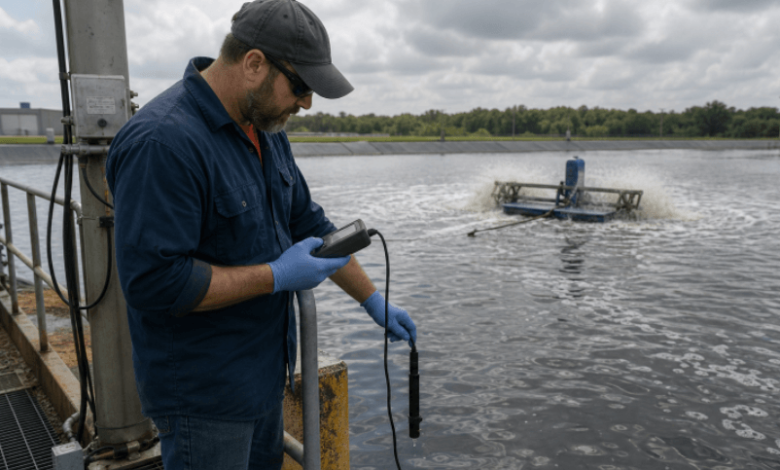
- What to Monitor
- Choosing an Aeration Approach
- Warning Signs and Maintenance
- Frequently Asked Questions
- Conclusion
Oxygen balance is one of the most important operating conditions in a pond, lagoon, or wastewater system. It affects how efficiently microorganisms break down waste, how stable water quality remains, and how quickly operators can spot developing problems. For aeration planning, equipment support, and emergency response, water treatment services from The Environmental Company Inc can be a practical resource. The company provides sales, rental, installation, and maintenance of aeration equipment for industrial, municipal, and agricultural applications, with service across the East Coast and broader U.S. coverage. Keeping oxygen in balance is not simply a matter of running an aerator. Water temperature, loading, sludge depth, weather, mixing patterns, and equipment condition all influence whether available oxygen can meet treatment demand.
What Oxygen Balance Means in Water Treatment
Dissolved oxygen is the oxygen held in water and available for biological, chemical, and aquatic processes. Oxygen balance describes the relationship between oxygen entering the system and oxygen being consumed. Wind, surface movement, algal activity, and mechanical aeration can increase dissolved oxygen. Bacteria, ammonia conversion, decomposing solids, and aquatic life use it. Oxygen is rarely uniform throughout a pond or lagoon. Surface water may receive air and sunlight, while deeper zones can become oxygen-poor when mixing is limited. A healthy operation accounts for both the oxygen reading and the location where it was taken.
Why Dissolved Oxygen Matters
Aerobic microorganisms need oxygen to break down organic material efficiently. In lagoon systems, oxygen can reach the water through wind, algae photosynthesis, and mechanical aeration, while aerobic bacteria use it during waste treatment. The EPA’s overview of lagoon wastewater treatment systems explains how these natural and mechanical processes work together.
Key Effects of Low Oxygen
- Slower breakdown of organic waste and higher biochemical oxygen demand.
- Rising ammonia and greater risk of poor effluent results.
- Rotten-egg odors associated with anaerobic activity and hydrogen sulfide.
- Dark water, surface scum, or stressed fish and other aquatic organisms.
- Reduced treatment capacity during high-flow or high-load periods.
Common Causes of Oxygen Loss
Organic Overloading
Sewage, food waste, industrial discharge, leaves, algae die-off, and other biodegradable material increase the workload placed on treatment bacteria. When demand rises faster than oxygen transfer can supply, the system can shift toward septic conditions.
Warm Water, Stratification, and Sludge
Warm water holds less oxygen than cold water, even as biological activity often increases. Heat can also create stratification, where warmer surface water does not mix well with cooler bottom water. Excess sludge compounds the problem by reducing effective treatment volume, shortening detention time, and creating an oxygen demand near the bottom.
Equipment Problems
Blocked diffusers, worn bearings, weak airflow, power interruptions, damaged controls, or poorly positioned equipment can reduce oxygen transfer. Operators should treat a change in bubbles, spray pattern, motor sound, or electrical use as a reason to inspect the system.
How Lagoon Types Use Oxygen
- Facultative lagoons: Depend on surface reaeration and algae-generated oxygen. Upper and lower zones may operate very differently.
- Partially mixed aerated lagoons: Use aeration for oxygen and mixing while preserving conditions that allow solids to settle.
- Complete-mix aerated lagoons: Use continuous, stronger mixing and aeration for more controlled treatment, often with higher energy demand.
- Anaerobic lagoons: Operate with little or no dissolved oxygen and are generally used for specific high-strength waste applications.
Seasonal Changes to Watch in 2026
Seasonal conditions can quickly change oxygen demand. In spring, runoff and changing flows may introduce new solids and organic material. Summer heat can lower oxygen solubility, promote algal growth, and make early-morning readings especially important. During fall and winter, turnover events and severe weather can mix low-oxygen bottom water upward or disrupt equipment performance. Continuous or adjusted aeration can help improve mixing, oxygen circulation, and water quality where conditions call for it. Guidance from Agriculture and Agri-Food Canada on aeration and water quality also highlights the role aeration can play in cycling oxygen and nutrients through the water column.
What to Monitor and How Often
- Dissolved oxygen: Check surface and deeper locations, plus inlet and outlet areas when possible.
- Temperature and pH: Record both to identify seasonal or biological shifts.
- BOD and ammonia: Review laboratory results against normal operating trends and permit requirements.
- Appearance and odor: Note foam, algae, color changes, solids, scum, and sulfur-like odors.
- Equipment runtime: Track operating hours, power use, repairs, and interruptions.
Each record should include the date, time, weather conditions, flow volume, maintenance performed, and test location. Trend records are often more useful than a single isolated reading.
Choosing an Aeration Approach
Choose aeration based on water depth, surface area, daily and peak flow, organic and ammonia loading, electrical service, access, noise limits, and treatment targets. Surface aeration provides visible movement and convenient access for service, but may not distribute oxygen evenly in deep water. Diffused aeration releases air below the surface and can support deeper oxygen transfer, but it requires proper diffuser placement, compressor maintenance, and protection against clogging. Portable systems can be useful during construction, emergency repairs, seasonal loading, temporary treatment needs, or equipment outages. The right approach balances oxygen delivery with mixing needs, settling requirements, energy use, and safe access for maintenance.
Warning Signs and Maintenance
Act quickly when foul odors, black water, dead fish, weak bubbling, heavy algae, rising ammonia, cloudy effluent, repeated motor trips, or unusual equipment noise appear. These symptoms do not always identify the root cause, but they signal that testing and inspection should happen promptly.
Simple Maintenance Checklist
- Weekly: Inspect motors, cords, floats, controls, air movement, odors, and dead zones.
- Monthly: Review oxygen trends, clean accessible screens, inspect connections, and compare energy use.
- Seasonally: Service motors and compressors, inspect submerged lines, review emergency power, and prepare for heat, storms, and high flows.
Frequently Asked Questions
What is a good dissolved oxygen level?
The correct target depends on lagoon design, loading, temperature, discharge limits, and treatment goals. A single number is not appropriate for every system.
Can too much aeration cause problems?
Yes. Excessive aeration can waste energy, accelerate wear, disturb settled solids, and interfere with treatment zones that need calmer conditions.
Is aeration a substitute for sludge removal?
No. Aeration supports biological treatment, but it does not remove accumulated sludge or replace inspections, solids management, and required testing.
Conclusion
Oxygen balance is an ongoing operating responsibility, not a one-time equipment decision. Regular monitoring, sensible maintenance, sludge management, and timely adjustments to changing loads and weather can help ponds and lagoons maintain steadier treatment performance throughout 2026. A proactive approach also helps identify issues before they affect water quality, odors, compliance, or overall system efficiency. By understanding oxygen demand, maintaining aeration equipment, and responding to seasonal changes, operators can support more reliable wastewater treatment results. Consistent attention to system conditions ensures that aeration strategies continue to meet the facility’s needs while protecting long-term performance and environmental goals.