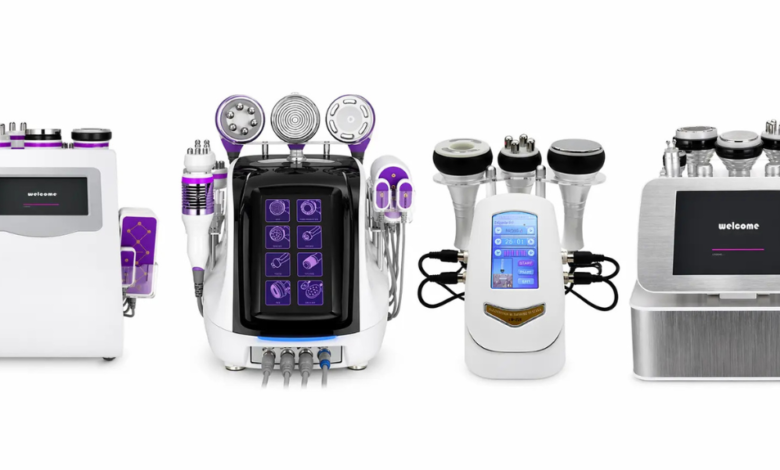
Body contouring technology has evolved significantly over the past decade, giving professionals access to advanced equipment designed to support non-invasive aesthetic treatments. Among these innovations, ultrasonic cavitation has become one of the most recognized technologies for reducing the appearance of localized fat deposits and enhancing body shaping procedures.
Selecting the right cavitation device requires more than comparing specifications or price tags. Performance, reliability, treatment versatility, ease of operation, and maintenance all influence the overall experience. Understanding these factors can help professionals and business owners make informed decisions when investing in aesthetic equipment.
If you are researching the best cavitation machine, it is helpful to understand the technology, treatment process, and key features before comparing different models.
Understanding Cavitation Technology
Ultrasonic cavitation is a non-invasive treatment that uses low-frequency ultrasound waves to target localized fat beneath the skin. The ultrasound energy creates microscopic bubbles within fat cells. As these bubbles expand and collapse, they disrupt the fat cell membranes.
Once broken down, the released fatty substances are processed naturally through the body’s lymphatic and metabolic systems over time. Since the treatment does not involve surgical incisions, anesthesia, or significant downtime, it has become a popular option for individuals seeking body contouring treatments.
While cavitation can improve body shape and reduce stubborn fat pockets, it is not intended as a substitute for weight loss or healthy lifestyle habits.
How Cavitation Treatments Work
The treatment process generally follows several simple steps.
Initial Consultation
Every treatment begins with assessing the client’s goals, medical history, and treatment suitability. Areas commonly treated include:
- Abdomen
- Waist
- Thighs
- Hips
- Upper arms
- Back
- Buttocks
Preparing the Treatment Area
A conductive gel is applied to improve the transmission of ultrasound waves between the applicator and the skin.
Ultrasound Application
The therapist moves the handpiece slowly across the treatment area using continuous circular movements. The ultrasound energy penetrates beneath the skin without damaging surrounding tissues.
Post-Treatment Recommendations
Clients are usually encouraged to:
- Drink plenty of water
- Maintain regular exercise
- Follow a balanced diet
- Support healthy lymphatic drainage
These recommendations help maximize treatment results.
Benefits of Modern Cavitation Machines
Today’s cavitation systems offer far more than simple ultrasound treatment.
Non-Invasive Procedure
One of the biggest advantages is that treatments do not require surgery or recovery time. Most individuals resume daily activities immediately afterward.
Comfortable Treatment Experience
Most clients report only mild warmth or a slight buzzing sensation during treatment, making the procedure generally comfortable.
Multiple Body Areas
Modern devices can address several treatment zones, including both larger and smaller body regions.
Customizable Treatment Settings
Many machines allow operators to adjust:
- Energy intensity
- Treatment duration
- Frequency levels
- Applicator modes
This flexibility helps personalize treatments for different clients.
Features That Matter When Choosing a Cavitation Machine
Not every machine offers the same capabilities. Evaluating important features helps ensure long-term satisfaction.
Ultrasound Frequency
Different frequencies provide varying treatment depths. Lower frequencies generally penetrate deeper tissues, while higher frequencies target more superficial fat layers. The appropriate frequency depends on treatment objectives and manufacturer recommendations.
Build Quality
Professional equipment should feature:
- Durable construction
- Reliable internal components
- Stable power delivery
- Comfortable handpieces
Well-built machines often require less maintenance over time.
User Interface
A modern touchscreen or intuitive control panel simplifies operation. An organized interface allows practitioners to:
- Select treatment modes
- Monitor treatment time
- Adjust energy safely
- Save preferred settings
This improves workflow efficiency.
Safety Features
Reliable systems often include several protective mechanisms. Examples include:
- Automatic shutdown
- Temperature monitoring
- Overheating protection
- Stable energy output
- Error detection systems
Safety features help protect both practitioners and clients.
Treatment Versatility
Many advanced machines combine cavitation with additional technologies. Examples include:
- Radio frequency
- Vacuum therapy
- LED therapy
- Multipolar RF
- Tripolar RF
Combination systems provide broader treatment options without requiring multiple standalone devices.
Who Can Benefit from Cavitation Treatments?
Cavitation is generally suitable for healthy adults seeking improvements in body contour rather than dramatic weight reduction. Common treatment candidates include individuals who have:
- Localized fat deposits
- Stubborn body areas resistant to exercise
- Stable body weight
- Realistic expectations
Results vary depending on lifestyle, metabolism, and treatment consistency.
Areas Commonly Treated
Professional clinics frequently perform cavitation treatments on several body regions.
- Abdomen: The abdomen remains one of the most requested treatment areas because fat accumulation commonly occurs there.
- Waist: Treatments may help improve the appearance of love handles and overall waist definition.
- Thighs: Both inner and outer thighs are common treatment zones. Many clients seek smoother body contours in these areas.
- Arms: Upper arm treatments may improve contour in areas with mild localized fat deposits.
- Back: Fat accumulation around the bra line and upper back is another common concern treated with cavitation.
Combining Cavitation with Other Technologies
Many professionals prefer multifunction aesthetic systems because combination treatments can complement one another.
Radio Frequency
Radio frequency focuses on skin tightening by heating deeper tissue layers and encouraging collagen production. This combination may provide both contouring and improved skin appearance.
Vacuum Therapy
Vacuum massage may support lymphatic drainage and improve circulation following cavitation sessions.
LED Therapy
Some systems incorporate LED light technology to complement overall skin rejuvenation procedures.
Maintenance Tips for Long-Term Performance
Proper maintenance extends equipment lifespan while maintaining consistent treatment quality. Recommended practices include:
- Clean handpieces after every session.
- Store equipment in a dry environment.
- Follow manufacturer maintenance schedules.
- Inspect cables regularly.
- Keep cooling vents unobstructed.
- Update software if applicable.
- Use approved accessories only.
Routine maintenance reduces downtime and helps preserve performance.
Safety Considerations
Although cavitation is considered non-invasive, treatment should always be performed responsibly. Professional practitioners typically avoid treatment for individuals who have certain medical conditions or contraindications. Examples may include:
- Pregnancy
- Implanted electronic devices
- Certain cardiovascular conditions
- Active infections
- Severe liver or kidney disorders
A proper consultation should always precede treatment.
Common Misconceptions About Cavitation
It Is a Weight Loss Treatment
This is one of the most common misunderstandings. Cavitation primarily supports body contouring rather than significant weight reduction.
Results Appear Immediately
Some improvement may be noticed after treatment, but full results often develop gradually as the body processes disrupted fat cells.
One Session Is Enough
Most treatment plans involve multiple sessions depending on the individual’s goals and treatment area. Consistency generally produces better outcomes.
Factors That Influence Results
Several variables affect treatment success. These include:
- Hydration
- Physical activity
- Balanced nutrition
- Individual metabolism
- Treatment frequency
- Device quality
- Practitioner technique
Maintaining healthy habits often supports better long-term outcomes.
Choosing Equipment for Professional Use
Professionals evaluating new equipment should consider more than appearance or marketing claims. Important considerations include:
- Clinical functionality
- Ease of operation
- Available treatment modes
- Maintenance requirements
- Safety certifications
- Manufacturer support
- Upgrade options
Investing in reliable equipment often provides better long-term value than selecting the least expensive option.
Conclusion
Choosing the right cavitation system requires balancing performance, versatility, safety, and ease of use. Understanding how the technology works and evaluating essential features allows professionals to make informed purchasing decisions while providing effective treatments for their clients.
Whether comparing specifications or exploring treatment options, researching the best cavitation machine can help professionals better understand the range of equipment available and identify features that suit their practice.
Frequently Asked Questions
1. How many cavitation sessions are usually recommended?
The number of sessions depends on the treatment area, individual body composition, and desired outcome. Many treatment plans include several appointments scheduled over a number of weeks. Maintaining hydration, exercise, and healthy nutrition may help support the body’s natural processes between sessions.
2. Is cavitation painful?
Most people describe cavitation as a comfortable treatment. Clients may notice a gentle warming sensation or hear a faint buzzing sound caused by the ultrasound frequency. The procedure generally does not require anesthesia, and normal daily activities can usually be resumed immediately afterward.
3. Can cavitation replace diet and exercise?
No. Cavitation is designed for body contouring rather than overall weight loss. It works best for individuals who already maintain a relatively stable weight but have localized fat deposits. Healthy eating habits and regular physical activity remain essential for long-term body composition management.
4. How should a cavitation machine be maintained?
Regular cleaning after each treatment, proper storage, periodic inspection of handpieces and cables, and following the manufacturer’s maintenance recommendations all contribute to reliable performance. Proper maintenance also helps extend equipment lifespan while ensuring consistent treatment quality and operational safety.
5. What features should professionals prioritize when buying a cavitation machine?
Professionals should evaluate treatment versatility, ultrasound frequency options, safety systems, build quality, user-friendly controls, maintenance requirements, and overall reliability. Machines that combine multiple technologies, such as radio frequency or vacuum therapy, may also provide greater flexibility for offering a wider range of aesthetic treatments.