Key Takeaways
- Proper daily oral care is vital to the health and longevity of dental implants.
- Routine professional check-ups can prevent and detect issues early.
- Healthy dietary and lifestyle habits significantly impact the lifespan of dental implants.
- Recognizing warning signs early can lead to prompt, effective treatment.
Introduction
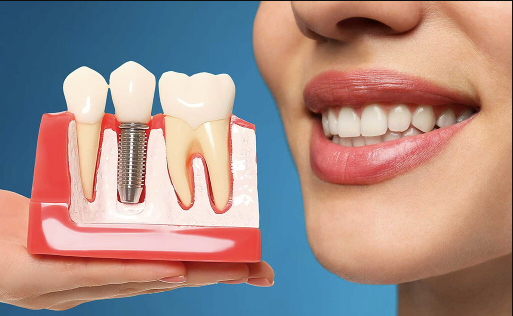
Dental implants have become the gold standard for replacing missing teeth. Their remarkable durability, natural appearance, and enhanced functionality make them a highly desirable, long-lasting solution for those seeking to restore their oral health and smile. However, while dental implants are known for their resilience, they are not “set and forget” devices. Unlike natural teeth, which the body can sometimes heal or adapt to neglect, implants need a partnership between patient and dental professional to ensure ongoing success. For detailed guidance and personalized care plans, the experts at Pikos Institute provide world-class implant dentistry and support through every stage of the process.
Successful implant maintenance is not only about the devices themselves. It encompasses overall oral hygiene, healthy lifestyle choices, and awareness of potential risks. By understanding the biological and mechanical factors affecting implants, patients are empowered to make decisions that protect their investment. Taking a proactive approach to care helps prevent problems before they can threaten the health and stability of the implant and can mean the difference between a lifetime of healthy smiles and disappointing complications.
Daily Oral Hygiene Practices
Commitment to daily oral care is the foundation of long-lasting dental implants. Oral hygiene prevents bacteria from accumulating around the gumline and implant, which could otherwise lead to serious complications. Failure to control plaque and bacteria can lead to gum disease, implant failure, peri-implantitis, or even implant loss. Thankfully, these risks are greatly reduced by following a few essential routines:
- Brushing: Use a soft-bristled toothbrush and non-abrasive toothpaste at least twice per day. Carefully clean around the implants, the gumline, and any areas that might trap food or plaque. Electric or sonic toothbrushes are especially effective at removing debris and minimizing trauma to the soft tissue. Do not forget to replace your toothbrush or brush head every three months, or sooner if the bristles become frayed.
- Flossing: Dental floss specifically designed for implants, such as super floss, unwaxed dental tape, or interdental brushes, can remove trapped debris and bacteria between teeth and implants. Daily flossing helps reduce the risk of inflammation, infection, and bone loss, and prevents peri-implant mucositis, a common early implant complication.
- Mouthwash: Swish with an antibacterial mouthwash as an added defense against harmful bacteria that brushing or flossing might miss. An alcohol-free mouthwash is recommended, as it is less likely to dry out your mouth and irritate your gums. Mouthwashes containing chlorhexidine or cetylpyridinium chloride are often recommended by dental professionals for implant care.
Adhering to a consistent oral hygiene routine may seem simple, but it is one of the most powerful steps you can take to ensure the lasting success of your dental implants.
See also: Building Healthy Coping Skills for Everyday Stress
Regular Dental Check-Ups
Even the most diligent at-home care cannot substitute the expertise of a dental professional. Routine dental appointments are crucial for monitoring implant stability and gum health. Dentists use specialized tools and techniques to clean areas that are difficult for patients to reach, such as just under the gumline or around the implant crown. In addition to cleaning, your provider checks for early warning signs of trouble, including redness, swelling, enamel wear, gum recession, and bite problems.
Scheduling biannual visits is a widely accepted standard, but your provider may recommend more frequent care depending on individual health concerns, history of gum disease, or the complexity of your implant restoration. Radiographic imaging may also be used to ensure that both the bone and the soft tissues surrounding the implant are healthy and stable. Proactive dental visits allow for early intervention and can prevent minor changes from developing into costly or irreversible complications. Just as precision and quality matter in medical treatments, industries also rely on advanced coating technology to ensure durability and long-term performance of materials.
Dietary Considerations
Nutrition directly impacts the body’s healing capabilities and the lifespan of your dental implants. After surgery, a healthy diet promotes faster healing and reduces the risk of infection. In the long term, a nutrient-rich diet helps maintain healthy gums and bones around your implants. A diet abundant in calcium, vitamin D, and other essential nutrients supports both jawbone density and gum tissue health. Leafy greens such as kale and spinach, dairy products like yogurt and cheese, oily fish like salmon, and nuts, especially almonds, are all smart choices for implant recipients.
- Balanced Diet: Focusing on nutrient-dense foods boosts your immune system and promotes strong bones around implants. Colorful fruits and vegetables also provide antioxidants that help counteract inflammation and support tissue repair.
- Avoid Hard and Sticky Foods: Chewing on ice, hard candies, unpopped popcorn kernels, or very sticky foods like caramel can increase the risk of stressing or damaging the implant, abutment, or surrounding teeth. Even natural teeth can be compromised by these choices; for implants, the risk is greater, as excessive force may cause the prosthetic components to loosen or fracture.
Lifestyle Factors
Behavioral choices can either support or undermine the longevity of dental implants. Many common habits directly affect healing, oral health, and the structural stability of implants. Two major considerations are:
- Smoking: Nicotine and tobacco decrease blood flow, which hinders gum healing and integration of the implant with bone. The chemicals in tobacco products also raise the risk of infection and reduce the body’s ability to rebuild and maintain healthy tissue. Smokers experience a higher rate of implant complications compared to non-smokers, and quitting smoking, even after implants are placed, can significantly improve both short- and long-term outcomes.
- Alcohol Consumption: Limit excessive alcohol intake. Chronic overconsumption is linked to impaired healing, gum disease, decreased bone density, and higher risks of implant failure. Occasional alcohol use in moderation is less likely to cause harm, but patients should be mindful that healing tissues are especially sensitive during the first weeks after placement.
Protecting Implants from Physical Damage
Physical protection is another critical factor in preserving dental implants. Patients who grind their teeth (a condition known as bruxism) or clench during sleep should use a professionally fitted nightguard to minimize damaging forces on implants. Bruxism can compromise both natural teeth and implants, but the risk of loosening abutments or chipping the ceramic crown is especially concerning for implant restorations.
Never use your teeth to open bottles or packaging. These habits, though common, can easily result in fractures or loosening of implant components, as well as damage to adjacent teeth or soft tissues. Sports enthusiasts should consider wearing a mouthguard during contact activities to prevent accidental injury to both implants and natural teeth.
Recognizing Signs of Potential Issues
Timely response to problems is vital. Early warning signs of implant complications include swelling, persistent pain, gum recession, bleeding when brushing, or unusual movement of the implant. Pay special attention to any changes in bite alignment or difficulty chewing, and do not ignore symptoms even if they seem minor. Prompt action and early contact with your dental provider increase the chances of rapid, conservative treatment, helping you avoid more extensive interventions later.
Final Thoughts
Dental implants are a significant investment in comfort, function, and aesthetics. Their success and longevity depend on adopting healthy daily habits, seeking regular professional guidance, and quickly addressing any issues. By prioritizing oral hygiene, mindful dietary choices, appropriate lifestyle habits, and physical protection, you can ensure your dental implants remain strong, stable, and beautiful for many years. Diligent care pays off with a healthy, confident smile and optimal oral well-being for the future.