Power interruptions are no longer rare inconveniences that businesses can simply “wait out.” Even short outages can disrupt operations, damage equipment, interrupt customer service, and create unexpected financial losses. As companies become increasingly dependent on digital systems, refrigeration, cloud connectivity, security infrastructure, and automated workflows, reliable backup power has shifted from a luxury to a practical business necessity.
For commercial property owners, facility managers, and business operators, planning for outages is now part of long-term operational strategy.
The Growing Impact of Power Outages on Businesses
Many businesses underestimate how quickly downtime becomes expensive. A brief interruption can stop payment systems, disable internet access, interrupt manufacturing schedules, or shut down climate-sensitive environments.
Certain industries are especially vulnerable, including:
- Medical and dental offices
- Restaurants and food service operations
- Retail stores
- Warehouses and logistics centers
- Data-driven office environments
- Manufacturing facilities
- Property management operations
Even companies without critical infrastructure still face customer dissatisfaction, missed deadlines, and productivity losses when systems go offline unexpectedly.
See also: Maximizing Solar Power: A Homeowner’s Guide to Smart Solar Solutions
What Commercial Generators Actually Do
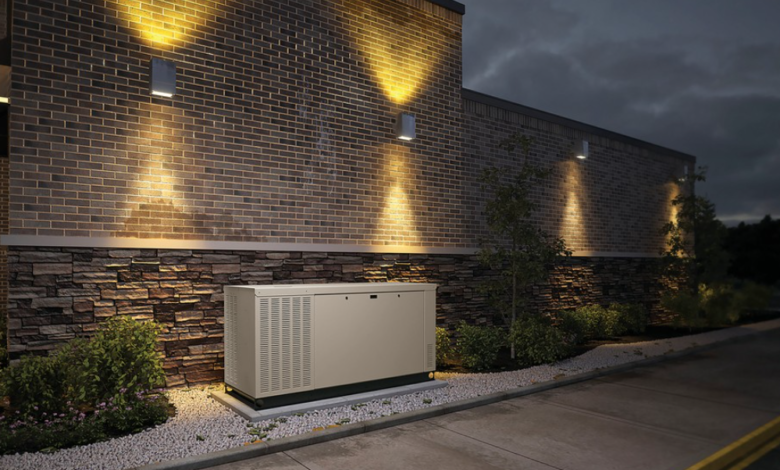
Commercial generators provide backup electrical power during utility outages. Depending on the size and configuration, they can support an entire building or only selected systems considered essential.
Most commercial backup systems are designed to power:
- Emergency lighting
- Refrigeration systems
- Security systems
- Servers and networking equipment
- HVAC systems
- Critical machinery
- Point-of-sale equipment
- Communication systems
Many businesses choose standby generators because they activate automatically when power loss is detected. This reduces manual intervention and helps maintain continuity during storms, grid failures, or unexpected infrastructure issues.
Planning the Right Generator Setup
Choosing the right generator involves more than simply selecting a unit with enough power. Every commercial building has different electrical demands, operational priorities, and future expansion plans.
Load Assessment Matters
One of the most important steps is determining which systems must remain operational during an outage. Some businesses need only basic emergency functions, while others require nearly full operational continuity.
Professional electrical teams typically evaluate:
- Current power usage
- Peak load demands
- Equipment startup requirements
- Fuel source availability
- Transfer switch integration
- Local code compliance
- Noise and placement considerations
Without proper planning, businesses risk installing systems that are either undersized or unnecessarily expensive.
Fuel Type Considerations
Commercial generators commonly operate on natural gas, diesel, or propane. Each option offers advantages depending on the property type and operational goals.
Natural gas systems are popular in urban commercial areas because they connect directly to utility lines. Diesel systems are often preferred for high-demand industrial applications due to their reliability and power output. Propane can provide flexibility in locations where other fuel options are limited.
The best choice usually depends on runtime expectations, fuel accessibility, and maintenance planning.
Why Professional Installation Is Critical
Commercial electrical systems are complex, and generator integration must be handled carefully. Improper installation can create safety hazards, code violations, and operational failures during emergencies.
A properly installed system typically includes:
- Electrical load calculations
- Transfer switch installation
- Safe fuel connections
- Ventilation planning
- Grounding and protection systems
- Compliance with local electrical codes
- Testing and commissioning procedures
Businesses also benefit from planning future scalability during installation. As companies expand, energy demands often increase, making early infrastructure planning valuable.
Companies researching backup power solutions often explore providers offering commercial generator installation San Jose to better understand how professional generator integration works for offices, retail properties, and industrial environments.
Maintenance Is Just as Important as Installation
A backup generator is only useful if it operates correctly when needed. Unfortunately, many systems fail because maintenance is overlooked after installation.
Routine inspections help identify:
- Battery problems
- Fuel system issues
- Fluid leaks
- Transfer switch failures
- Wiring concerns
- Cooling system problems
Testing under load conditions is especially important because generators that sit unused for long periods may develop hidden reliability issues.
Businesses that depend heavily on uptime often create maintenance schedules that align with seasonal weather patterns and operational risk periods.
Long-Term Value Beyond Emergencies
Commercial generators provide more than emergency protection. They can also improve tenant confidence, operational resilience, and property value.
For certain industries, backup power has become an expected feature rather than an optional upgrade. Office tenants, healthcare providers, and retail operators increasingly prioritize facilities that demonstrate preparedness and infrastructure reliability.
Backup power planning can also support insurance discussions and business continuity strategies, particularly for organizations with sensitive inventory or mission-critical systems.
Preparing Before an Emergency Happens
The best time to evaluate backup power needs is before an outage occurs. Waiting until after a disruption often leads to rushed decisions, delayed installations, and increased costs during periods of high demand.
Businesses can start by reviewing:
- Which systems are essential during outages
- How much downtime is financially acceptable
- Existing electrical infrastructure limitations
- Potential future expansion needs
- Maintenance and testing requirements
Even smaller businesses benefit from having a clear contingency plan in place.
Conclusion
Reliable backup power has become an important part of modern commercial operations. Whether protecting sensitive equipment, supporting customer service, or maintaining productivity during outages, generators help businesses reduce disruption and improve operational stability.
As power demands continue to rise and businesses rely more heavily on connected systems, proactive generator planning offers both immediate protection and long-term operational confidence.