You brush, you floss when you can, and you still wonder if you are doing enough. A little bleeding when you spit, a tooth that feels sensitive to cold, a cleaning you kept putting off because life got busy or money felt tight. That low grade worry sits in the background longer than most people admit. A Family dentist in Leduc, AB can help dental care feel simple until something changes, then every small symptom starts to matter.
The short version is this. Most common dental questions come down to prevention, timing, cost, and knowing what deserves fast attention. When you understand the basics, routine care feels less confusing and problems are easier to catch early.
Routine dental care works best when you know what is normal
One of the most common questions people ask is how often they really need to see a dentist. Twice a year is a familiar guideline, but the right schedule depends on your mouth, not a slogan. If you have gum disease, frequent cavities, dry mouth, diabetes, or smoke, you may need visits more often. If your oral health is stable, your dentist may keep you on a standard cleaning and exam schedule.
Another question comes up fast when brushing hurts. Gums should not bleed regularly. A little pink in the sink is often a sign of irritation or early gum disease, not a reason to stop flossing. The harder truth is that people often avoid the area because it feels sore, then the plaque stays in place and the inflammation gets worse. That cycle is common, and it is fixable.
Sensitivity is another source of stress. If cold water, sweets, or brushing send a sharp signal through one tooth, you may be dealing with enamel wear, a cavity, gum recession, or a cracked tooth. You do not need to panic, but you should not ignore it and hope it fades on its own. Small problems are cheaper and easier to treat than larger ones.
People also ask whether bad breath always means poor brushing. Not always. Food, dry mouth, gum disease, cavities, tobacco, and some medical issues can all play a role. If breath problems keep coming back even with brushing and flossing, the issue may be deeper than mouthwash can fix.
A fifth concern is whether home remedies can replace a visit. Saltwater rinses can soothe irritated tissue. Desensitizing toothpaste can help with mild sensitivity. Better brushing habits can improve daily plaque control. None of that repairs decay, treats an infection, or removes hardened tartar. Home care supports treatment. It does not replace a general dentist.
The sixth question is usually the one people hesitate to ask out loud. What if I cannot afford a dentist right now? That fear is real. Delaying care often feels like the only option, yet pain and infection rarely stay the same. The National Institute of Dental and Craniofacial Research offers guidance on finding dental care, including community resources that may help if cost is the barrier.
Common questions about dental care often point to preventable problems
Most day to day dental issues start quietly. Plaque builds up. Gums get puffy. A tiny cavity does not hurt yet. You tell yourself you will deal with it after a busy week, then a few months pass. This is why regular care matters so much. It catches changes before they turn into pain, root canals, extractions, or expensive repair work.
The basics still carry the most weight. The CDC shares oral health tips for adults that line up with what dentists say every day. Brush twice daily with fluoride toothpaste, clean between teeth once a day, limit sugary food and drinks, and keep up with dental visits based on your needs. Simple habits done consistently beat occasional bursts of perfect behavior.
That matters even more when symptoms show up. A toothache, for example, can come from decay, infection, grinding, gum disease, or a cracked tooth. MedlinePlus explains the common causes of toothache, and the list makes one thing clear. Pain is a signal, not a diagnosis. You need an exam to know what is actually going on.
Patient dental questions usually come down to home care versus professional treatment
| Concern | What home care can do | What professional care can do |
| Bleeding gums | Improve brushing and flossing, reduce plaque buildup | Check for gingivitis or periodontal disease, remove tartar under the gumline |
| Tooth sensitivity | Use desensitizing toothpaste, avoid trigger foods | Find cavities, cracks, enamel loss, or gum recession and treat the cause |
| Bad breath | Brush tongue, floss daily, stay hydrated | Identify gum disease, decay, dry mouth, or other oral sources |
| Toothache | Temporary comfort with rinses or over the counter pain relief | Diagnose infection, decay, or trauma and provide treatment |
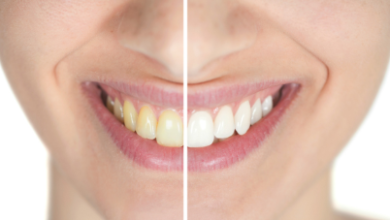
| Stained teeth | Limit coffee, tea, and tobacco, use whitening toothpaste | Offer safe whitening options and check for deeper enamel issues |
Clear steps help you take control of dental care concerns
1. Track the symptom instead of guessing. Notice when it happens, how long it lasts, and what triggers it. Bleeding only when flossing is different from bleeding that starts on its own. Sensitivity to ice cream is different from pain that wakes you up at night. Those details help a dentist find the cause faster.
2. Tighten up the basics for two full weeks. Brush twice a day with fluoride toothpaste, floss or use another interdental cleaner once a day, and cut back on frequent sugar. If the issue is mild irritation from plaque buildup, you may notice real improvement. If nothing changes, that is useful information too.
3. Book an exam before the problem chooses the timing for you. Dental problems have a way of becoming urgent on weekends, before travel, or when money is already stretched. A planned visit gives you options. An emergency often takes options away.
See also: The Role of Niche Edit Links in Building a Robust SEO Strategy
Steady care answers most dental questions before they turn into bigger problems
If you have been worrying about a symptom, you are not overreacting. Most people wait because they hope it will pass, or because they are trying to be practical. The more practical move is to get clear answers early. That is how you protect your teeth, your comfort, and your budget.
Whether you are dealing with sensitivity, bleeding gums, bad breath, or overdue cleanings, a general dentist can help you sort out what is minor, what needs treatment, and what can wait. If something feels off, schedule a visit and get a real plan in place.