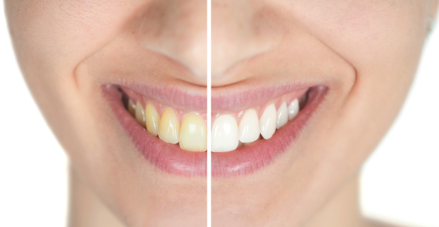
You fixed the tooth, the pain is gone, and then you catch your reflection and see that one tooth looks darker than the rest. That can feel unfair. A tooth that had a filling, crown, trauma repair, or root canal may be healthy and still look gray, yellow, or brown. The problem is not always on the surface, which is why regular whitening strips often do very little. In many cases, a dentist in North San Antonio can explain the good cosmetic options, but the right one depends on why the tooth changed color and what kind of dental work was done before.
Teeth can darken after treatment for a few different reasons. Old filling materials can stain the tooth from the inside. A tooth that had a root canal may lose some of its natural brightness over time. A crown may still look fine while the tooth near the gumline starts to darken. Trauma can also change the color of a tooth years after the original injury. If you have been wondering why one tooth looks “dead” even though it does not hurt, you are not imagining it. Color changes after dental work are common, and they usually need more than store bought whitening.
Why teeth darkened by prior dental treatment need a different cosmetic plan
Surface stains from coffee, tea, or tobacco often respond to whitening. Internal discoloration is different. The stain may sit inside the tooth structure, under a filling, or beneath a crown. The American Dental Association’s guidance on tooth whitening explains that whitening works best for certain kinds of discoloration and may not change the look of restorations such as crowns or fillings.
That is where frustration starts. You whiten your smile and the dark tooth stays dark. Sometimes it stands out even more because the surrounding teeth become lighter. A tooth that has already had treatment can also be more fragile, so pushing ahead with repeated whitening without an exam can make you spend money without getting the result you want.
The cosmetic fix depends on the cause. If the tooth itself has darkened after a root canal, internal bleaching may help. If an old filling is leaking stain into the tooth, replacing the restoration may be the better move. If the tooth is structurally weak or the color is deep and uneven, a veneer or crown may create a more stable and natural match. For some people, the best answer is a combination of whitening the surrounding teeth first and then matching the repaired tooth afterward.
Common cosmetic treatments for discolored teeth after dental work
Internal bleaching is often used for a root canal treated tooth that has darkened from within. A dentist places whitening material inside the tooth, seals it temporarily, and checks the shade over time. This is not the same as over the counter whitening. It is targeted and works from the inside out. If you want more background on what happens with root canal treated teeth, Columbia’s root canal resource gives a helpful overview.
Replacing old restorations may solve the problem when the discoloration comes from aging dental materials, margin leakage, or staining around a filling or crown. In that case, whitening alone will not fix the mismatch.
Bonding, veneers, or crowns can mask deep discoloration and improve shape at the same time. Bonding is less invasive and can work well for smaller cosmetic changes. Veneers and crowns offer stronger color control when a tooth is very dark or already heavily restored. This is often the path for people seeking treatment for dark teeth after dental work when simple whitening has already failed.
Evaluation for underlying problems matters too. A tooth can darken because of nerve damage, hidden decay, or a failing restoration. MedlinePlus outlines how tooth discoloration can have different causes, some cosmetic and some medical, in its page on tooth discoloration. If the color change is new, worsening, or paired with tenderness, your dentist may need to rule out a health issue before choosing a cosmetic fix.
Professional treatment often works better than DIY whitening for one dark tooth
| Option | Best For | What It Can Do | Limits to Know |
| Whitening strips or trays | General surface stains on natural teeth | Can lighten nearby teeth | Usually does not change crowns, fillings, or deep internal discoloration |
| Internal bleaching | Single dark tooth after root canal treatment | Targets discoloration inside the tooth | Not right for every tooth, needs dental evaluation |
| Bonding | Mild to moderate color mismatch | Covers discoloration with tooth colored material | Can stain or chip over time |
| Veneer | Front teeth with cosmetic concerns | Improves color and shape | May not suit heavily damaged teeth |
| Crown replacement or new crown | Heavily restored or weak tooth | Strong coverage and shade control | More involved and higher cost |
If your tooth has darkened after a filling, crown, or root canal, the cheapest option is not always the least expensive in the long run. Repeated whitening products can add up fast and still leave you with the same dark tooth. A targeted cosmetic plan often saves time, money, and disappointment. This is where cosmetic dentistry for darkened teeth becomes more precise than simple whitening.
Clear next steps help you avoid wasted time and mismatched results
1. Get the cause identified first. Ask whether the discoloration is internal, surface level, or related to an old restoration. A photo, X rays, and a shade comparison can show whether the tooth needs cosmetic treatment, restorative care, or both.
2. Whiten surrounding teeth before replacing visible dental work. If you plan to brighten your smile overall, do that first when your dentist recommends it. Crowns, veneers, and fillings are shade matched to your existing teeth. If you whiten afterward, the repaired tooth may no longer blend in.
3. Ask for a plan that protects the tooth as well as the appearance. A dark tooth may also be brittle, cracked, or leaking around an old filling. The best result is not just a whiter tooth. It is a tooth that looks natural and stays stable. That often means combining general, cosmetic, and restorative dentistry instead of treating the problem as a stain alone.
A tooth that changed color after dental work can make you hide your smile even when the original dental problem was already “fixed.” You do not have to settle for that. There are reliable cosmetic solutions for teeth darkened by previous dental work, and the right option usually becomes clear once the cause is identified. If you are ready to improve the look of a dark tooth, schedule a consultation for a personalized plan through general, cosmetic, and restorative dentistry.