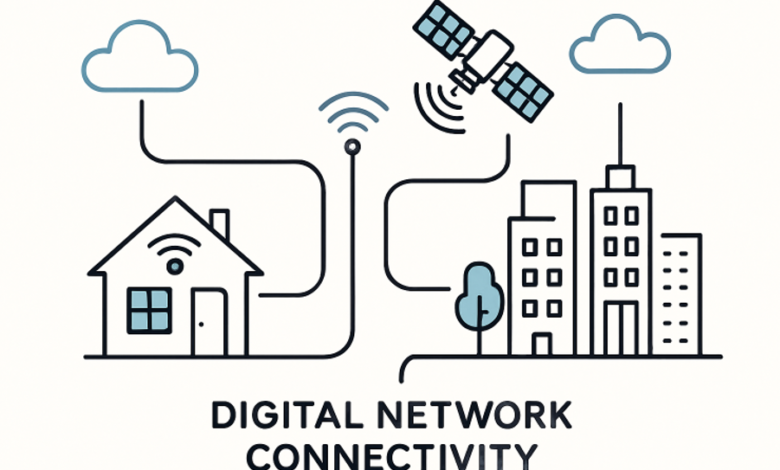
As the pace of digital innovation accelerates, so too does our reliance on seamless network connectivity. The digital ecosystem—spanning smart homes, connected vehicles, and an expanding Internet of Things (IoT)—demands networks that are not only fast and robust but also easier to manage and maintain. One technology transforming the network landscape is software-defined wide area networking, which enables agile and centralized network management across complex digital environments.
With the global appetite for innovative and sustainable solutions outpacing traditional infrastructure, the focus is shifting from handling more traffic to streamlining operations and enhancing user experiences. Modern digital networks must adapt to increased device density and deliver services that are intuitive, secure, and future-ready.
Yet, simplifying connectivity goes beyond simple speed or convenience. As digital living spaces multiply and data demands skyrocket, network developers must anticipate challenges in security, scalability, and sustainability. More intelligent digital networks represent the next evolution—promising not just improved performance, but intuitively managed, resilient, and eco-conscious infrastructures for all users.
This evolution is driven by the convergence of pioneering technologies, collaborative industry efforts, and a growing emphasis on environmental responsibility, shaping how entire communities interact, work, and thrive.
Understanding the Need for Simplified Connectivity
The proliferation of IoT devices, remote work setups, and digital entertainment has elevated reliable connectivity from a convenience to an essential requirement. Modern networks now handle immense volumes of data while users expect seamless, real-time performance across all devices and applications. Efficient, high-speed connectivity is crucial not only in urban centers but also in rural areas, helping to bridge the digital divide and empower innovation. Strong networks enable businesses and communities to participate fully in digital economies, enhancing productivity and access to services. As highlighted in a recent McKinsey report, industries that embrace advanced digital networking solutions gain a competitive edge through increased operational agility and more customer-focused, data-driven offerings.
Innovations Driving Smarter Networks
- AI-Driven Network Optimization: Next-generation networks leverage artificial intelligence to automate performance tuning and fault detection. By preempting downtime and automating troubleshooting, service providers achieve more reliable operations and ensure a better end-user experience.
- Integration of Terrestrial and Non-Terrestrial Networks: Modern architectures marry ground-based infrastructure with satellites and airborne platforms. This fusion extends coverage, increases redundancy, and ensures resilient service delivery—especially in underserved regions.
- Cloud-Based Network Management: The migration to cloud-centric network orchestration enables service providers to operate, monitor, and scale distributed systems in real-time. As a result, network complexity is reduced, innovation accelerates, and resources are managed more efficiently.
See also: The Evolution of Sleep: How Technology is Transforming Bedroom Furniture
Real-World Applications and Case Studies
Urban Connectivity Enhancements
Progressive cities are transforming urban infrastructure to enhance digital connectivity while preserving public spaces and aesthetics. By integrating technology into existing structures, municipalities can expand network capacity and deliver more innovative services without adding visual clutter or disruption. For example, in Oxford, UK, a collaborative initiative is converting streetlights into a multi-operator wireless backbone. This innovative approach discreetly strengthens citywide coverage, supports high-speed connectivity, and enables future-ready digital services, demonstrating how thoughtful infrastructure design can balance technological advancement with urban livability.
Smart Home Platforms
At the residential level, companies are collaborating on platforms that seamlessly blend connectivity and intelligent home management. Tinno and SAVI iQ have launched an AI-powered smart home solution that integrates tightly with broadband offerings, providing users with advanced automation tools and intuitive control over their digital environments. More on this partnership can be found through their joint press announcement.
Challenges in Implementing Smarter Networks
- Security Concerns: With increased automation and connectivity come heightened risks of cyber threats. Ensuring privacy and robust defense mechanisms is crucial as network boundaries expand and payloads grow more sensitive.
- Interoperability Issues: As new technologies and legacy systems coexist, integrating diverse standards can create compatibility challenges. Rigorous planning and collaboration are required to achieve seamless communication and maximize investment value.
- Infrastructure Costs: Building and upgrading more intelligent networks requires significant upfront investment in both physical and digital assets. Strategic partnerships and phased deployment can help offset costs while future-proofing services.
The Role of Sustainability in Network Development
Sustainable networking is rapidly evolving from a niche trend into an essential requirement for modern digital infrastructure. As more users and organizations demand broadband solutions with fewer environmental impacts, service providers are responding by adopting greener operational practices. Key strategies include optimizing energy efficiency, powering data centers with renewable energy, and ensuring responsible e-waste management throughout the device lifecycle—from manufacturing to disposal. With digital networks now accounting for a substantial portion of global energy consumption, according to the New York Times, integrating sustainability into networking operations is no longer optional. Prioritizing eco-friendly innovation helps reduce carbon footprints, supports corporate responsibility goals, and ensures that growing connectivity needs align with environmental stewardship.
Future Outlook: What Lies Ahead?
- 6G Networks: The horizon of wireless connectivity promises speeds and reliability that will enable new services, from immersive virtual reality to next-level telemedicine.
- Edge Computing: Processing data closer to its source reduces latency for mission-critical applications and enhances user experiences across platforms.
- Enhanced AI Integration: The coming years will see even deeper AI immersion, overseeing everything from predictive maintenance to on-the-fly resource allocation, making networks more responsive and self-sufficient.
Conclusion
The drive toward more intelligent digital networks goes far beyond meeting growing connectivity demands; it represents a fundamental shift in how people live, work, and interact. By embracing advanced technologies, such as AI-driven network management, edge computing, and high-speed broadband, service providers can address complex challenges, including congestion, security vulnerabilities, and scalability issues. Prioritizing sustainability ensures that these innovations minimize environmental impact while supporting long-term growth. As networks become more intelligent and resilient, communities gain access to faster, more reliable, and secure connections, enabling seamless remote work, education, healthcare, and entertainment. This transformation empowers both businesses and individuals, creating a connected world where efficiency, accessibility, and innovation are inextricably linked.