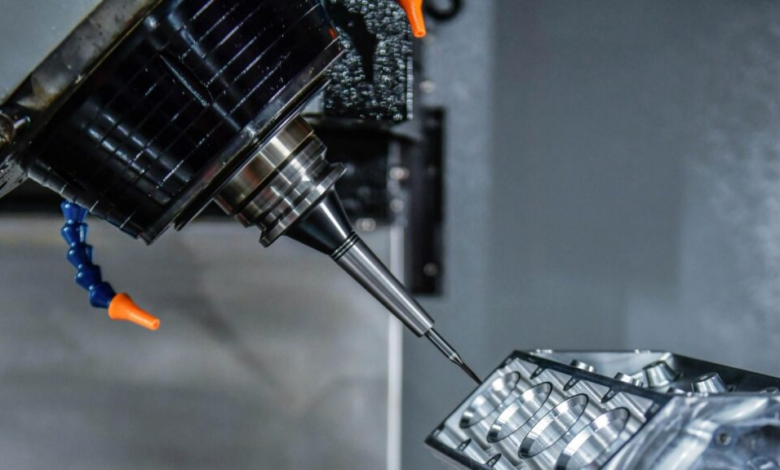
Aluminum has quietly become one of the most important materials in modern manufacturing. It is light, strong, corrosion-resistant, and highly machinable—a combination of properties that makes it indispensable across aerospace, automotive, medical devices, consumer electronics, and industrial automation. As industries push for greater efficiency, lower emissions, and higher performance, the demand for precision-machined aluminum components continues to accelerate.
The scale of this transformation is substantial. The global market for aluminum CNC machining services continues to expand at a steady pace, driven by demand for lightweight, high-performance components across multiple sectors. The metal precision turned product manufacturing market, which includes aluminum components, is projected to grow significantly in the coming years. These figures are not abstract—they represent real demand from industries that are redesigning their products around aluminum’s unique advantages.
Why Aluminum Has Become the Material of Choice
Aluminum’s appeal is rooted in its physical properties. It weighs about one-third as much as steel while maintaining excellent strength, particularly when alloyed with elements like magnesium, silicon, or zinc. It conducts heat efficiently, making it ideal for thermal management applications like heat sinks and battery cooling plates. It resists corrosion without special coatings, reducing maintenance costs in demanding environments. And crucially for manufacturers, aluminum machines exceptionally well at high speeds, enabling faster production cycles and longer tool life compared to harder materials.
Different alloys serve different purposes. The 6061 alloy is the workhorse of the industry—versatile, weldable, and available in various tempers. The 7075 alloy offers higher strength, often specified for aerospace structural components where every gram matters. The 2024 alloy provides excellent fatigue resistance, making it suitable for aircraft wing skins and fuselage structures. Each alloy demands specific machining parameters, and shops that have developed documented processes across these grades deliver more consistent results.
See also: How to Transform Every Room in Your Home with Modern Design
Industries Driving the Aluminum Machining Boom
Aerospace remains one of the largest consumers of precision-machined aluminum components. Aircraft structural parts, engine components, and landing gear assemblies all rely on aluminum alloys for their strength-to-weight ratio. The global push for fuel efficiency has made lightweighting a priority, and aluminum is at the center of that effort. Engineers are now designing thinner, more complex aluminum components than ever before—parts that demand the precision that only advanced CNC machining can deliver.
The automotive industry’s transition to electrification has created an entirely new set of aluminum machining requirements. Electric vehicles use significantly more aluminum than their internal combustion counterparts. Battery housings, motor frames, cooling plates, and structural components are all increasingly specified in aluminum alloys. The lightweighting imperative is even more critical for EVs, where every kilogram saved extends range and improves performance. The push for lighter, stronger, and more sustainable materials continues to reshape automotive manufacturing.
Medical devices represent another growth area. Aluminum’s biocompatibility and lightweight properties make it suitable for surgical instruments, diagnostic equipment housings, and mobility aids. The material does not interfere with imaging technologies like MRI, a critical advantage in medical applications. Surface treatments such as hard anodizing enhance wear resistance and create sterile, easy-to-clean surfaces.
Consumer electronics and industrial automation complete the picture. Smartphone enclosures, laptop frames, robotic arm components, and sensor housings all rely on precision-machined aluminum. The trend toward miniaturization has made tight tolerances and excellent surface finishes non-negotiable. Modern CNC technologies now enable manufacturers to produce complex geometries with exceptional accuracy, essential for robotics and automation components.
The Technology Behind Precision Aluminum Machining
The capabilities of modern CNC machining centers have transformed what is possible with aluminum. Five-axis CNC milling machines enable complex designs in a single setup, reducing handling errors and ensuring that critical features stay aligned. High-speed spindles and optimized tool paths reduce cycle times for both prototyping and mass production.
AI-powered CAM software represents another leap forward. Modern computer-aided manufacturing systems now integrate AI-driven algorithms that optimize tool paths automatically, minimize material waste, and simulate the machining process before production begins. This results in faster prototyping, reduced errors, and higher-quality aluminum components. For shops that have invested in these technologies, the benefits are measurable: shorter lead times, higher first-pass yields, and greater capacity to handle complex geometries.
Automation and robotics are also reshaping aluminum machining operations. The integration of robotic arms and automated handling systems reduces human error, improves repeatability, and maintains production efficiency around the clock. This is particularly valuable for high-demand sectors where precision and reliability are paramount. Automated surface treatment systems now ensure consistent quality across batches, critical for industries like medical devices.
Advanced surface treatments enhance both performance and appearance. Hard anodizing improves wear and corrosion resistance. Black oxidation adds durability with a professional finish. Micro-polishing improves surface smoothness for precision assembly. These treatments are not cosmetic—they extend component life and ensure reliable performance in demanding applications.
The Supply Chain Reality
The reshoring and supply chain diversification trends of recent years have made partner selection more consequential than ever. Companies are bringing production closer to end markets, but they are discovering that domestic capacity for high-precision aluminum machining is not unlimited. The shops that have invested in advanced equipment, skilled workforces, and documented material processes are the ones capturing the most demanding programs.
For procurement professionals, the assessment criteria have sharpened accordingly. Equipment matters: multi-axis CNC machining centers with high-speed spindles, automated tool changers, and in-process probing are now the baseline for serious work. Material experience matters: a shop that has produced tens of thousands of aluminum components across different alloys understands the subtle behaviors that separate reliable production from costly scrap. Quality infrastructure matters: certifications and traceability systems provide the audit trail that regulated industries require.
A partner with expertise in aluminum precision machining brings more than equipment to the table. They bring process knowledge—the accumulated understanding of how different alloys respond to cutting forces, how to manage chip formation at high speeds, and how to achieve the surface finishes that customers require. This knowledge translates directly to consistency, reliability, and peace of mind for the companies that rely on them.
Looking Ahead
The aluminum machining market will continue to grow as aerospace, automotive, medical, and industrial applications demand the material’s unique properties. As components become more complex and tolerances tighten, the value of specialized process knowledge will only increase. The shops that have invested in five-axis CNC machining, AI-powered CAM software, and skilled workforces will capture the most demanding programs.
The combination of precision CNC machines, intelligent software, advanced surface treatments, and automation is transforming aluminum parts manufacturing. Companies adopting these technologies gain higher efficiency, superior quality, and faster turnaround times. For manufacturers, the question is not whether to source precision-machined aluminum components—it is who to trust with the work.
A provider with deep experience in CNC aluminum part machining understands the material’s nuances and can scale production without quality drift. They bring not just equipment but decades of accumulated knowledge about how aluminum behaves under cutting forces. That knowledge translates directly to consistency, reliability, and peace of mind. In an era where every component matters, that distinction has never been more important.