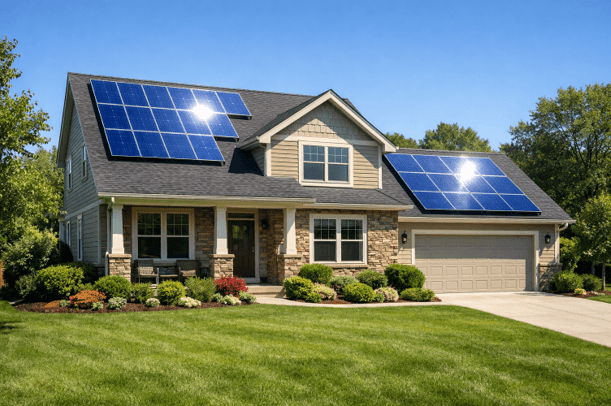
With energy costs continuing to climb and environmental concerns becoming more pressing, homeowners across the country are increasingly considering solar energy as a viable path to greater energy independence and cost savings. Early in the process, it is crucial to seek advice from experienced solar roofing contractors to assess your needs and recommend system options suited to your property. As solar technology evolves and incentives expand, understanding the key steps and pitfalls in adopting solar can make a crucial difference in your return on investment.
When implemented and managed effectively, solar power not only slashes utility bills but also positions your home at the forefront of the green energy movement. Yet many homeowners find the transition confusing due to the range of system choices, utility plans, and energy storage options available. This comprehensive guide breaks down the essentials, from system selection and financial incentives to common mistakes, to help you unlock the full potential of your solar investment.
Understanding Solar Energy
Solar energy harnesses the sun’s natural energy to generate clean electricity. Photovoltaic (PV) panels installed on rooftops or open spaces convert sunlight into electricity that can power your home. This process not only reduces dependence on traditional fossil fuels but also helps lower your home’s carbon footprint and can significantly cut monthly electricity expenses, especially in sun-rich climates.
Solar is also a flexible energy solution. Homeowners can start with a small system and expand later, or combine solar power with other renewable technologies to achieve greater energy independence. Importantly, adopting solar also bolsters your home’s resale value, making it a smart long-term investment.
Choosing the Right Solar System
Selecting an appropriate solar system starts with a critical look at your household’s energy consumption patterns and available roof space. Consulting with reputable industry professionals helps ensure your system is properly sized for your needs and compatible with your home’s unique features. Considerations such as panel efficiency, inverter compatibility, local climate, and the system’s future scalability should drive your decision. Quality components and professional installation can reduce long-term maintenance and optimize energy yield.
Remember to evaluate the potential for future technology add-ons, such as battery storage or electric vehicle charging stations, when planning your system. This approach ensures your solar setup will adapt as your household energy needs change over time.
See also: Why Your Garage Door Opener Matters More Than Most Homeowners Realize
Common Mistakes to Avoid
A critical but overlooked factor in maximizing solar savings is enrolling in the correct utility plan post-installation. Many homeowners mistakenly remain on their pre-solar energy rates, which may not be optimal for solar users. For example, in markets with hot climates, choosing a standard rate can result in selling excess solar electricity back to the grid at low rates and having to buy it back at higher nighttime prices. This scenario often leads to unexpectedly high utility bills, sometimes exceeding $200 per month, even for those generating enough energy annually to cover their needs. To avoid this, always consult utility providers for the best solar-compatible rate, such as Time-of-Use and Demand Charge plans, and adjust your household energy usage patterns accordingly.
If your region does not offer net metering, pairing your panels with a battery system is a wise move. Batteries allow you to store daytime excess and power your home in the evening or during utility outages. Another practical tip is to run major cooling appliances during the sunniest hours, sometimes called “super cooling,” so your home remains more comfortable during peak evening rates without extra cost. Regularly reviewing your energy plan and monitoring system output are vital steps to maximizing your financial savings.
Financial Incentives and Programs
Incentives and rebate programs greatly enhance affordability for would-be solar adopters. Federal tax credits can offset a significant portion of installation costs nationwide, while many states and municipalities offer their own rebates or incentive programs. For example, New Yorkers installing Enphase IQ® Batteries can benefit from the NYSERDA New York Battery Incentive Program, with upfront rebates reaching up to $6,250. These financial incentives can dramatically reduce the initial outlay and accelerate the return on investment.
Integrating Battery Storage
Adding battery storage to a solar installation increases both energy independence and household resilience during grid outages or peak-demand pricing. In California, the Self-Generation Incentive Program (SGIP) offers a remarkable funding opportunity that can cover the complete cost of battery purchase and installation for qualifying homeowners. Programs such as this empower households to retain the power they produce, use it when utility rates spike, and safeguard against emergencies. Integration with battery storage also helps address solar “curtailment,” where excess daytime generation could otherwise go to waste if not used or stored immediately.
Maintenance and Monitoring
Routine maintenance ensures a solar energy system remains efficient and reliable over the years. Maintenance typically involves keeping panels free of debris, trimming nearby trees that might cast shade, and checking system connections and inverters for proper operation. Most modern installations include digital monitoring apps that allow homeowners to track real-time production levels, detect issues early, and promptly schedule maintenance when anomalies are detected. Proactive management directly translates to increased energy yields and lower repair costs down the line.
Future Trends in Solar Energy
The solar industry continues to evolve rapidly, introducing new formats that bring solar access to a broader demographic. Notable innovations include plug-and-play solar panel systems for renters, condos, and apartments that do not require complex installations or utility interconnection agreements. This democratizes access to solar power, making it easier than ever to harness the sun’s energy, no matter your living situation.
Conclusion
Switching to solar energy offers substantial environmental and financial benefits, but the journey demands careful planning and informed decisions. Homeowners who take the time to understand system options, avoid common pitfalls, and leverage local incentives position themselves to achieve the greatest financial savings and energy security. As technology and policy continue to advance, investing in solar remains a smart and forward-thinking choice for modern homeowners.