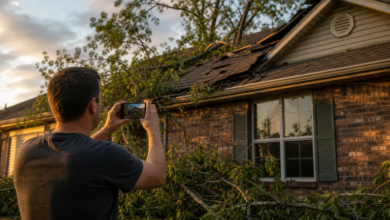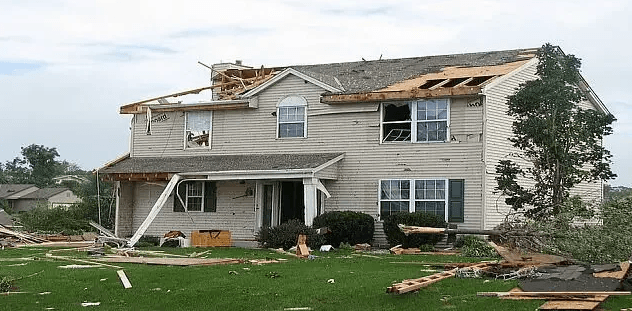
A roof rarely fails all at once. Instead, problems build quietly—one loose shingle, one clogged gutter, one unnoticed leak at a time. For homeowners in Texas, where weather can shift from intense heat to sudden storms, even minor roofing issues can escalate faster than expected.
Understanding the real cost of ignoring roof damage isn’t just about repairs—it’s about protecting your home, your finances, and your peace of mind over the long term.
Why Small Roof Issues Rarely Stay Small
It’s easy to delay roof repairs when the problem doesn’t seem urgent. A tiny stain on the ceiling or a few missing shingles may not feel like an emergency. But roofs are interconnected systems, and when one part weakens, it often affects others.
Water intrusion is the biggest concern. Once moisture gets beneath the surface, it can spread into insulation, wooden decking, and even electrical systems. What started as a minor repair can quickly become a multi-layered restoration project.
In climates like Texas, heat also plays a role. High temperatures can expand and weaken already compromised materials, accelerating deterioration.
The Financial Ripple Effect of Delayed Repairs
Ignoring roof damage doesn’t just increase repair costs—it can multiply them. Here’s how:
1. Structural Damage
When water seeps into the structure of a home, it can weaken support beams, ceilings, and walls. Repairs at this level are significantly more expensive than surface-level roofing fixes.
2. Mold and Mildew Growth
Moist environments create ideal conditions for mold. Once mold develops, remediation can become complex and costly, especially if it spreads through ventilation systems or wall cavities.
3. Energy Inefficiency
A compromised roof can affect insulation and ventilation. This often leads to higher energy bills, as heating and cooling systems work harder to maintain indoor comfort.
4. Interior Damage
Leaks don’t just stay in the attic. Over time, they can damage drywall, flooring, furniture, and personal belongings. These secondary damages often go uninsured if maintenance neglect is involved.
Warning Signs You Shouldn’t Ignore
Roof problems often give subtle clues before becoming severe. Being aware of these signs can help homeowners act early.
Look out for:
- Water stains on ceilings or walls
- Missing, curling, or cracked shingles
- Granules collecting in gutters
- Sagging rooflines
- Unexplained increases in energy bills
- Damp or musty smells in the attic
These indicators may seem minor individually, but together they point to underlying issues that require attention.
How Texas Weather Accelerates Roof Wear
Texas homes face unique environmental challenges. Understanding these can help explain why prompt maintenance matters even more.
Intense Heat
Prolonged sun exposure can dry out and weaken roofing materials. Over time, shingles may crack, warp, or lose their protective properties.
Sudden Storms
Heavy rain, strong winds, and hail can cause immediate damage or worsen existing vulnerabilities. Even if damage isn’t visible from the ground, the impact may still compromise the roof’s integrity.
Seasonal Shifts
Temperature fluctuations can cause expansion and contraction in roofing materials. This repeated stress can loosen components and create entry points for water.
Because of these factors, regular inspections and timely repairs are especially important in regions like San Antonio and surrounding areas.
See also: What Is the Design-Build Approach and Why Homeowners Prefer It
Preventive Maintenance: A Smarter Approach
Rather than waiting for problems to appear, proactive maintenance offers a more cost-effective strategy. It allows homeowners to identify risks early and address them before they escalate.
A simple maintenance routine might include:
- Scheduling annual roof inspections
- Cleaning gutters and downspouts regularly
- Checking for visible damage after storms
- Ensuring proper attic ventilation
- Addressing minor repairs promptly
These steps don’t require major investment but can significantly extend the lifespan of a roofing system.
When to Call a Professional
While some basic observations can be done from the ground, a thorough roof evaluation requires trained expertise. Professionals can identify hidden damage, assess structural integrity, and recommend the most appropriate course of action.
This is particularly important when:
- A roof is more than 10–15 years old
- There has been recent storm activity
- You’re planning to buy or sell a home
- You notice recurring leaks or ongoing issues
For homeowners looking to better understand their roofing condition and explore maintenance or repair options, Ideal Precision Roofing San Antonio provides helpful insight into what to expect and how to approach roofing decisions with greater confidence.
Repair vs. Replacement: Making the Right Call
One of the most common dilemmas homeowners face is deciding whether to repair or replace their roof. The answer depends on several key factors:
Age of the Roof
If a roof is nearing the end of its expected lifespan, repeated repairs may not be the most cost-effective solution.
Extent of Damage
Localized issues can often be repaired, but widespread damage may indicate a need for replacement.
Long-Term Plans
If you plan to stay in your home for many years, investing in a new roof may provide better long-term value.
Budget Considerations
While replacement is a larger upfront investment, it may reduce ongoing repair costs and improve energy efficiency.
Taking a balanced, informed approach helps ensure that decisions are based on both current needs and future benefits.
Building a Habit of Awareness
Roof maintenance doesn’t have to be overwhelming. The key is consistency. Homeowners who stay aware of their roof’s condition and respond quickly to changes are far less likely to face major, unexpected expenses.
Think of your roof as a long-term asset rather than a background feature. Regular attention, even in small ways, can make a significant difference in how well it performs over time.
Conclusion
Ignoring roof damage may seem like a way to save money in the short term, but it often leads to much higher costs down the line. From structural issues to energy inefficiency and interior damage, the consequences can extend far beyond the roof itself.
By recognizing early warning signs, understanding the impact of local weather, and taking a proactive approach to maintenance, homeowners can protect both their property and their budget. A well-maintained roof isn’t just about durability—it’s about making smarter decisions that pay off over time.