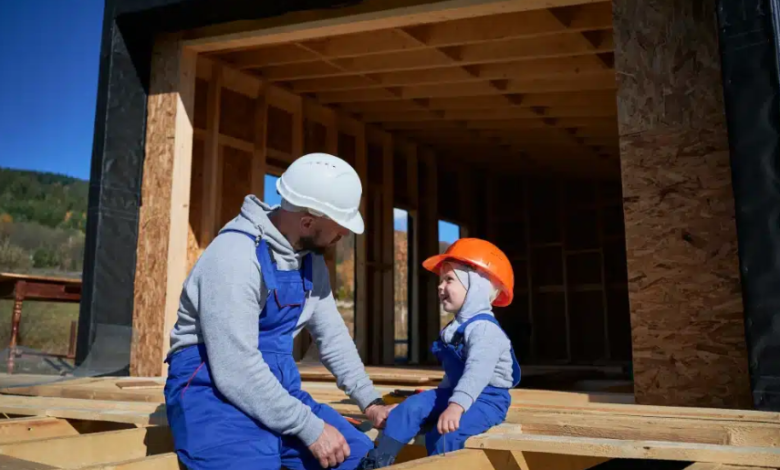
As the construction industry evolves, adopting sustainable practices has become crucial for minimizing environmental impact and boosting energy efficiency in modern building projects. Incorporating eco-friendly building materials not only reduces waste but also creates healthier interiors and supports long-term sustainability goals. Innovations such as cross-laminated timber, hempcrete, and low-carbon concrete are at the forefront of this transformation, offering both performance and environmental advantages. Whether you’re planning new builds or home additions, understanding these advancements can help you make smarter, greener construction decisions. The integration of green technologies and renewable materials signals a shift toward construction that balances durability, safety, and sustainability. As regulatory standards and consumer awareness rise, the demand for these materials continues to grow, influencing everything from design choices to material sourcing. The modern contractor or homeowner now has a range of alternatives that challenge the dominance of traditional materials, promising not only ecological benefits but also advances in cost efficiency, construction speed, and comfort.
1. Cross-Laminated Timber (CLT)
CLT is an advanced wood product produced by gluing layers of solid wood together at right angles, forming large panels that offer strength and stability comparable to concrete and steel. CLT panels are sourced from sustainably harvested forests and function as carbon sinks, storing carbon dioxide rather than emitting it. The panelized construction process reduces on-site waste and accelerates construction, making CLT a favorite among architects interested in sustainable, modular design.
2. Hempcrete
Hempcrete is a plant-based biocomposite utilizing the woody interior of the hemp stalk mixed with a lime-based binder. Primarily used as an insulating infill for walls, hempcrete is prized for its ability to regulate humidity, promote airflow, and provide efficient insulation. Its lightweight structure helps reduce transport emissions, and hemp cultivation requires fewer pesticides and fertilizers than other crops. Though unsuitable for load-bearing uses, hempcrete is ideal for non-structural, highly insulated wall systems in energy-efficient homes.
3. Low-Carbon Concrete
Concrete’s manufacturing process is a leading source of global CO₂ emissions. Low-carbon concrete addresses this challenge by replacing part of the Portland cement with eco-friendly binders such as fly ash or slag. These alternatives can reduce cement usage by up to 40 percent, where cement is the primary driver of concrete’s carbon footprint.
4. Recycled Steel
Steel is an indispensable material in construction due to its strength, versatility, and longevity. Recycled steel provides the same structural performance as new steel but with a significantly reduced environmental impact. Using scrap metal reduces the need for raw material extraction and the energy requirements of primary steel production. Recycled steel can be found in everything from structural frameworks to rebar, cladding, and roofing systems.
5. Rammed Earth
Rammed earth is an ancient technique that creates robust, insulating walls by compacting a blend of subsoil, water, and minor stabilizers. This method is now experiencing renewed popularity, especially for projects seeking high thermal mass and exceptional durability. Rammed-earth walls naturally regulate indoor temperatures, maintaining comfort throughout changing seasons. Notable contemporary residences, such as the Rammed Earth House in Wiltshire, highlight the architectural and ecological advantages of this low-impact building method.
6. Recycled-Fiber Insulation
Innovative insulation materials made from recycled fibers, including reclaimed cotton and PET plastic bottles, offer thermal performance comparable to conventional insulation while having a smaller environmental footprint. These products divert waste from landfills while minimizing embodied energy and reducing health risks during installation. Recycled-fiber insulation is available in batts, rolls, or loose-fill forms and is suitable for walls, attics, and floors.
7. Fire-Retardant Plywood
Fire-retardant plywood presents a safer, eco-friendly alternative for projects in high-risk zones. Treated using methods that avoid toxic chemicals, products like OnWood Plywood meet rigorous fire safety standards while remaining gentler on both workers and the environment. These advances represent a new era in material safety and sustainability, particularly in multi-residential or commercial projects.
8. Modular Construction with Robotically Assembled Building Blocks
Modular construction, when paired with robotics, enables buildings to be assembled from standardized, interlocking blocks that can be quickly and efficiently placed by machines. This innovation reduces waste and labor costs and shortens construction schedules. Research at the Massachusetts Institute of Technology indicates that these methods could significantly cut carbon emissions compared to conventional building techniques. As sustainable materials and advanced building technologies continue to shape the construction industry, adopting these innovations allows for the creation of structures that are both high-performing and environmentally responsible. Making eco-friendly choices benefits not only the environment but also the occupants, the building’s lifespan, and the overall value of construction investments.
Conclusion
The future of construction is moving toward solutions that prioritize sustainability, efficiency, and long-term performance. Eco-friendly materials such as cross-laminated timber, hempcrete, low-carbon concrete, recycled steel, and innovative insulation options demonstrate that buildings can be both durable and environmentally responsible. As technology continues to advance, new construction methods and renewable materials will provide even more opportunities to reduce waste, lower emissions, and improve energy efficiency. Adopting sustainable building practices benefits not only the environment but also homeowners, contractors, and communities by creating healthier and more resilient spaces. By choosing materials and technologies that support greener construction, the industry can reduce its ecological impact while meeting the growing demand for efficient, cost-effective, and future-ready buildings. Sustainable construction is no longer just an option, as it is becoming an essential approach for shaping a more responsible built environment.