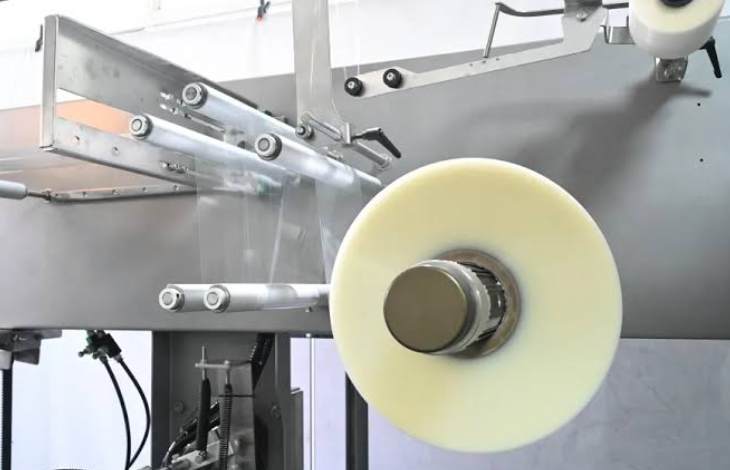
At first glance, cellophane overwrapping and shrink wrap can look similar. Both create a clear, tight layer around a product. But the way they work, and the results they give, are quite different.
This guide compares a cellophane overwrapping machine with shrink wrap systems, so you can decide which fits your product, budget, and brand image best.
Table of Contents
- Quick Overview
- How Cellophane Overwrapping Works
- How Shrink Wrap Works
- Side-by-Side Comparison
- Which Products Fit Each Method
- Cost Comparison
- Pros and Cons of Each
- Which One Should You Choose?
Quick Overview
Cellophane overwrapping uses tuck-and-fold film wrapping to create a tight, glossy wrap around a box, sealed with heat at the edges. Shrink wrap uses loose plastic film that shrinks tightly around a product when heated.
Both methods protect products and improve their appearance, but they suit different shapes, budgets, and finishes.
How Cellophane Overwrapping Works
A cellophane overwrapping machine folds film neatly around a box-shaped product, trims it to size, and seals the edges with heat, creating crisp, folded corners similar to a cigarette pack wrap.
How Shrink Wrap Works
Shrink wrap starts as a loose plastic film around the product, which then passes through a heat tunnel. The heat shrinks the film tightly against the product’s shape, without the folded, tucked look of cellophane overwrap.
Side-by-Side Comparison
| Feature | Cellophane Overwrapping | Shrink Wrap |
| Best product shape | Box-shaped, rigid items | Irregular shapes, bundles, pallets |
| Appearance | Glossy, crisp folded finish | Tight, form-fitting look |
| Speed | Very fast for uniform boxes | Fast, works well for varied shapes |
| Branding potential | High, especially with printed film | Moderate |
| Common uses | Perfume, cigarettes, cosmetics | Bundling, multipacks, pallets |
Which Products Fit Each Method
Choose Cellophane Overwrapping If You Package:
- Perfume, cosmetic, or gift boxes needing a premium look
- Cigarette packs or similar rigid box products
- Medicine cartons requiring tamper-evident sealing
- Products where shelf appeal matters most
Choose Shrink Wrap If You Package:
- Bundled multipacks like bottled drinks
- Irregularly shaped products that do not fit a folded wrap well
- Pallets or large bulk shipments needing stabilization
- Products where cost matters more than a premium finish
Cost Comparison
| Method | Entry-Level Price | High-Speed Industrial Price |
| Cellophane overwrapping machine | $5,000 – $15,000 | $50,000 – $150,000+ |
| Shrink wrap system | $3,000 – $10,000 | $40,000 – $120,000+ |
Shrink wrap systems are often slightly cheaper at the entry level, especially for bundling and bulk packaging, while cellophane overwrapping tends to cost more due to its precision folding mechanism.
Pros and Cons of Each
Cellophane Overwrapping
- Pro: Premium, glossy appearance ideal for retail shelf appeal
- Pro: Strong tamper-evident sealing
- Con: Works best only with box-shaped, rigid products
- Con: Generally higher machine cost than basic shrink wrap
Shrink Wrap
- Pro: Flexible with irregular shapes and bundles
- Pro: Lower entry cost for basic systems
- Con: Less glossy, premium look compared to cellophane
- Con: Uses a heat tunnel, adding energy costs to the process
Which One Should You Choose?
If your product is a rigid box and shelf appeal matters most, like cosmetics or cigarettes, a cellophane overwrapping machine is usually the better fit. If you need to bundle multiple items or wrap irregular shapes at a lower cost, shrink wrap makes more sense.
Some larger operations use both, applying cellophane overwrap to individual retail units and shrink wrap for bulk bundling or pallet stabilization further down the line.
Frequently Asked Questions
Can shrink wrap and cellophane overwrapping be used together?
Yes, many businesses use cellophane overwrap for individual retail packaging and shrink wrap for bundling or pallet-level packaging further down the supply chain.
Which method looks more premium, cellophane overwrapping or shrink wrap?
Cellophane overwrapping generally gives a glossier, crisper look with folded corners, making it more common for premium products like cosmetics and perfume.
Is shrink wrap cheaper than cellophane overwrapping?
At the entry level, yes, shrink wrap systems are often slightly less expensive, though prices can be similar at higher automation levels.
Which method is better for irregularly shaped products?
Shrink wrap handles irregular shapes better, since the film stretches and shrinks around the product rather than requiring a folded box shape.
Does cellophane overwrapping protect against moisture?
Yes, the tight, sealed wrap protects against dust, moisture, and handling damage, similar to the protection offered by shrink wrap.
Conclusion
Both cellophane overwrapping and shrink wrap protect products and improve their appearance, but they serve different purposes. Cellophane overwrapping suits rigid, box-shaped products where a premium, glossy finish matters. Shrink wrap suits bundles, irregular shapes, and bulk packaging where flexibility and cost matter most.
Think about your product shape, budget, and branding goals before choosing. In many cases, using both methods at different stages of your packaging line gives you the best of both worlds.