How to Prepare Your St. Louis County, Missouri Home for a Roof Inspection After Severe Weather

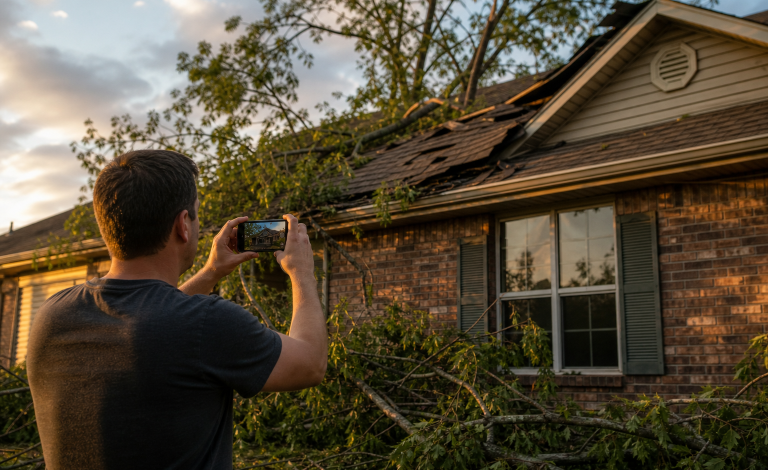
From spring hail and powerful thunderstorms to heavy rain, high winds, and winter ice, severe weather can leave St. Louis County homeowners with roofing concerns that are not always obvious from the driveway. Knowing how to prepare for an inspection helps protect your home, your records, and your ability to make informed repair decisions.
Whether your property has shingles, metal roofing, or a low-slope system, understanding the basics of flat roof construction St. Louis County, MO can help you recognize why drainage, flashing, seams, and roof edges deserve close attention after a storm.
Why a Post-Storm Roof Inspection Matters
Wind can lift roofing materials and loosen flashing. Hail can dent exposed metal components, and falling branches can crack or puncture roof coverings. Heavy rain may reveal weaknesses around vents, chimneys, skylights, wall transitions, gutters, and low areas where water drains slowly. Even a small opening can allow moisture into attic insulation, roof decking, ceilings, or walls.
A roof may look normal from the yard while damage remains concealed beneath shingles or around sealed details. Finding a concern early can help limit interior damage and give homeowners a clearer picture of what needs attention.
Wait Until the Area Is Safe
Do not begin checking the property until the storm has passed and local warnings have ended. The steps recommended after severe thunderstorms include staying alert for continuing hazards, avoiding damaged buildings, and reporting downed power lines to local authorities.
Keep away from fallen limbs, broken glass, unstable fencing, standing water near electrical equipment, and anything touching a power line. For a ground-level review, wear sturdy closed-toe shoes, gloves, long pants, and eye protection. Do not climb onto a roof that is wet, icy, visibly damaged, or blocked by debris.
Check the Property From the Ground
Walk around the home slowly and use your phone camera or binoculars if needed. Without using a ladder, look for:
- Missing, lifted, cracked, curled, or displaced shingles.
- Exposed underlayment, roof decking, or loose metal trim.
- Dented vents, gutters, downspouts, flashing, or chimney components.
- Branches resting on the roof, blocked gutters, or sagging roof edges.
- Granules gathered near downspouts or along paved areas below the roofline.
- Loose siding or damaged soffit and fascia that may affect roof-edge protection.
Look for Indoor Warning Signs
Check ceilings, exterior walls, upper-floor rooms, and accessible attic areas for new stains, bubbling drywall, peeling paint, damp insulation, musty odors, or active drips. A ceiling stain does not always identify the exact entry point because water can travel along framing before becoming visible indoors.
If water is actively dripping, move furniture and valuables away from the area and place a container beneath the drip if it can be done safely. Treat water near ceiling lights, outlets, or electrical panels as a serious concern. Avoid touching wet electrical fixtures and seek qualified assistance when needed.
Document the Damage Clearly
- Take wide photos of the home, rooflines, yard, and fallen debris.
- Take close photos of missing materials, dents, cracks, stains, and wet items.
- Write down the storm date, approximate time, weather conditions, and when you noticed each issue.
- Keep original, unedited image files whenever possible.
- Save receipts for tarps, cleanup, emergency water removal, and other temporary work.
- Do not discard damaged materials until your insurer confirms that they are no longer needed.
Contact Your Insurance Company
Review your policy and contact the insurer promptly if you believe storm damage may be covered. Ask about deductibles, reporting deadlines, required documentation, and whether an adjuster should inspect the property before permanent repairs begin. Keep a simple record of claim numbers, dates, names, emails, and phone conversations.
A professional inspection can help you understand the condition of the roof, but it does not replace the insurer’s claim process. Compare any inspection findings with the insurance estimate and ask questions when the scope of work is unclear.
Use Temporary Measures to Limit Further Damage
A properly secured tarp, temporary cover, or emergency water-removal service may help reduce additional water intrusion. However, temporary protection should not create a new safety risk. Leave work on steep, slippery, or damaged roofs to qualified professionals, and document conditions before materials are covered whenever practical.
What a Professional Inspection Should Cover
A thorough inspection should review the roof covering, fasteners, flashing, penetrations, roof edges, gutters, drainage paths, and visible signs of moisture. It may also include an attic review for damp insulation, ventilation concerns, roof-decking issues, and visible framing problems. The inspector should distinguish apparent storm damage from normal aging, previous repairs, animal activity, or long-term wear when possible.
How to Review the Inspection Report
Look for dated photos, plain-language descriptions, and a clear separation between urgent repairs, recommended repairs, and routine maintenance. Ask whether the affected area can be repaired or whether replacement is necessary. A written estimate should identify the expected labor, materials, disposal, permits if applicable, and workmanship coverage.
Questions to Ask Before Hiring a Roofing Professional
- Are you licensed or registered where required, and can you provide proof of insurance?
- Who will inspect the property and supervise the work?
- Will the evaluation include attic conditions and the drainage system?
- Can you provide a written scope of work and explain how changes will be approved?
- What payment schedule and workmanship coverage do you offer?
Common Mistakes to Avoid After a Storm
- Climbing onto a wet roof or using a ladder in unsafe conditions.
- Assuming there is no damage because no ceiling stain is visible.
- Signing a rushed agreement from an unfamiliar door-to-door visitor.
- Paying the entire project cost before work begins.
- Ignoring a small leak because it stops when the rain ends.
Special Considerations for Winter Weather
St. Louis County winters can bring snow, freezing rain, and repeated freeze-thaw cycles. Ice can obstruct drainage near roof edges and allow water to back up beneath roofing materials. Before winter, clear gutters, address drainage concerns, and review attic insulation and ventilation. Homeowners should also remain alert for ice dams that can hold melting water near the roof edge.
See also: Innovations in Land Surveying: Transforming the Field with Modern Technology
Frequently Asked Questions
How Soon Should a Roof Be Inspected After a Storm?
Arrange an inspection after the property is safe, and the immediate weather threat has passed. Active leaks, visible openings, or tree damage may require more urgent attention.
Can Homeowners Inspect Their Own Roofs?
Homeowners can perform a careful ground-level and indoor check. Walking on roof surfaces, particularly steep or damaged areas, should be left to trained professionals.
What If Storm Damage Is Not Visible?
Hidden issues may exist around flashing, beneath roofing materials, or inside the attic. The severity of the storm and any interior warning signs can help determine whether an inspection is worthwhile.
Does Every Storm Require Roof Repairs?
No. An inspection may find no damage, minor maintenance needs, or repairs requiring prompt action. A careful assessment is more reliable than assuming the outcome.
Conclusion
A calm response after severe weather can make recovery easier. Put safety first, inspect from the ground, document every concern, protect the home from further water entry, and seek a professional evaluation when needed. Fast action should be organized and informed, not rushed.