You brush, you floss, you try not to overthink it, then you catch your reflection in a mirror or see yourself in a photo and your eyes go straight to your teeth. Maybe it is a stain that never seems to lift, a chip that changed your smile, uneven spacing you have learned to hide, or concerns that may eventually lead you to consider dental implant restorations in Lansdale, PA. That kind of self-consciousness wears on you. It can affect how you smile, how you speak, and how comfortable you feel in close conversations.
If that sounds familiar, you are not being vain. Your smile sits at the center of your face, and when something feels off, it is hard to ignore. There are times when a good cleaning and stronger home care are enough, and there are times when it makes sense to talk with a general and cosmetic dentist about what can be improved safely and realistically. The goal is not perfection. The goal is feeling at ease when you smile again.
Changes in Color Can Point to More Than Surface Stains
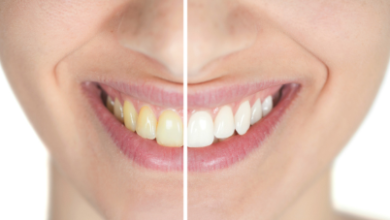
One of the clearest signs is discoloration that does not improve with regular brushing or whitening toothpaste. Coffee, tea, red wine, tobacco, and aging can all darken teeth over time. Some stains sit on the surface. Others sink deeper into the tooth, which is why drugstore products sometimes leave you disappointed.
You may have already tried whitening strips and still feel like your teeth look dull or uneven. That frustration makes sense. Whitening is not one-size-fits-all, and not every stain responds the same way. A dental exam can help sort out whether the issue is external staining, internal discoloration, old dental work that no longer matches, or something else that needs attention first. If you want a clearer picture of what tooth discoloration can involve, MedlinePlus explains common causes of tooth color changes.
Color changes can also show up around old fillings, crowns, or bonding. In those cases, whitening the natural tooth may not fix the mismatch. Cosmetic options such as professional whitening, bonding, or replacing visible restorations can create a more even result than another round of over-the-counter products.
See also: 5 Benefits Of Preventive Dentistry That Last A Lifetime
Small Damage Starts to Affect How You Feel About Your Smile
A tiny chip does not always seem urgent at first. Neither does a worn edge, a small crack, or a tooth that looks slightly shorter than the rest. Then months pass, and you start angling your face in photos or smiling with your lips closed. That is usually the point where the emotional side catches up to the physical issue.
Minor damage can also become more noticeable over time because teeth naturally pick up wear. Grinding, clenching, hard foods, and simple aging all play a role. A chip on a front tooth may be mostly cosmetic, but it can still change the way your smile looks and how confident you feel. In some cases, rough edges can irritate your lips or tongue as well.
This is where cosmetic dental options often make practical sense. Bonding can repair small chips. Veneers can improve shape and symmetry. Contouring may help smooth uneven edges. If there is also decay, bite stress, or a larger structural problem, your dentist may recommend a treatment that protects the tooth while improving appearance.
Spacing, Shape, or Old Dental Work Keeps Drawing Your Attention
Some concerns are not new. Maybe you have always noticed a gap, crowding, or one tooth that turns inward. Maybe you have an old metal filling or a worn crown that stands out every time you laugh. You may have lived with it for years, but if you keep thinking about it, that matters.
Cosmetic concerns often overlap with oral health. Crowded teeth can be harder to clean well. Uneven edges can affect how your bite comes together. Older materials may still function, but they can stain, wear down, or stop blending in with the rest of your smile. The National Institute of Dental and Craniofacial Research offers useful guidance on dental materials used in common restorations, which can help you understand why some older work looks or feels different over time.
If your concern keeps catching your eye, it is worth bringing up. A consultation does not commit you to treatment. It gives you facts, options, and a chance to decide what feels right for your goals and budget. That is often the biggest relief.
Professional Cosmetic Dentistry Gives You Better Information Than Guesswork
Trying to fix a smile issue on your own can cost less at first, but the results are often limited and sometimes risky. Home whitening can increase sensitivity. Mail-order products may not account for fillings, crowns, gum recession, or enamel wear. If your daily habits need work, those habits matter too. The National Institute of Dental and Craniofacial Research has a helpful guide to oral hygiene basics, and that foundation supports any cosmetic treatment you choose.
| Concern | DIY Approach | Professional Cosmetic Approach |
|---|---|---|
| Yellowing or stains | Whitening toothpaste or strips, uneven results are common | Custom whitening based on stain type and tooth sensitivity |
| Small chips | No safe at-home repair that looks natural | Bonding or contouring to restore shape and smoothness |
| Uneven shape or spacing | Cosmetic issue remains, some products can worsen irritation | Veneers, bonding, or orthodontic planning based on your bite |
| Old visible dental work | Whitening will not change crowns or fillings | Replacement options that match surrounding teeth more closely |
Clear Steps Help You Decide What to Do Next
Track what bothers you most. Make a short list before your appointment. Write down whether the issue is color, shape, spacing, wear, or old dental work. If it helps, take a photo in natural light. You do not need the right dental terms. You just need to show what you see every day.
Ask about both appearance and function. A good conversation about smile improvement should cover more than looks. Ask whether the issue affects your enamel, bite, gums, or long-term tooth health. That helps you separate what is optional from what may prevent bigger problems later.
Request a simple treatment comparison. Ask for the most conservative option, the longest-lasting option, and the expected upkeep for each. A clear breakdown of cost, lifespan, and maintenance makes the decision less emotional and more manageable.
Feeling Better About Your Smile Starts With One Honest Conversation
If you keep noticing stains that will not lift, damage that changes your smile, or features you have spent years trying to ignore, those are real signs it may be time to talk with a dentist. You do not need to commit to a major procedure to ask questions. You just need a clear evaluation and options that fit your life. A thoughtful conversation with a cosmetic dentist can turn uncertainty into a plan, and that alone can make you feel more in control.