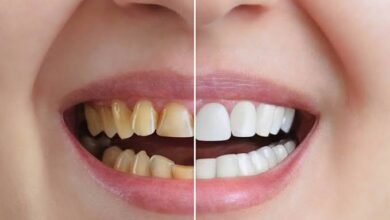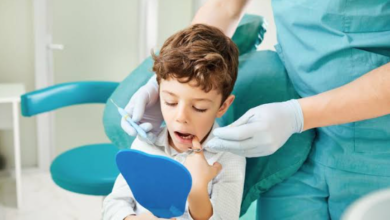
You pack snacks because kids get hungry fast, moods change fast, and a simple errand can turn into a full meltdown when no one has eaten. The problem is that many grab and go snacks marketed to children cling to teeth, feed cavity causing bacteria, or bathe the mouth in sugar for hours. You are not overthinking it if you have stood in the grocery aisle reading labels and wondering what actually counts as a good choice. For added guidance, a pediatric dentist for children in NYC can help parents choose tooth-friendly snack options.
A pediatric dentist looks at snacks a little differently than a food company does. The goal is not perfection. It is fewer sticky sugars, less constant grazing, and more foods that support growing teeth instead of wearing them down. The good news is that tooth friendly choices can still be easy, filling, and realistic for busy families.
Tooth friendly snacks for kids work best when they fight the real problem
Cavities do not come from sugar alone. They come from frequency, texture, and timing. A child who sips juice or nibbles crackers all afternoon gives mouth bacteria a steady fuel source. A child who eats a balanced snack and then drinks water gives the mouth a chance to recover. That difference matters.
The American Academy of Pediatric Dentistry points families toward eating patterns that limit frequent sugar exposure and support oral health. Their dietary recommendations for infants, children, and adolescents stress that both what children eat and how often they eat affect cavity risk.
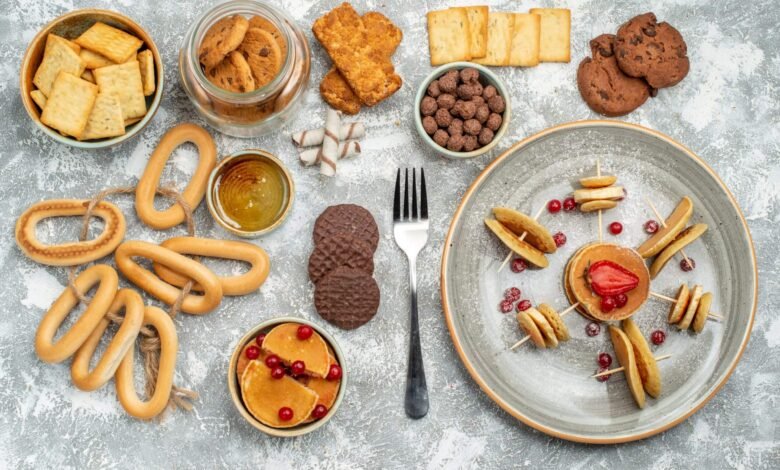
You have probably seen the hard part already. Raisins seem healthy, fruit snacks say made with real fruit, granola bars look harmless, and crackers feel safer than candy. Yet many of these foods stick in the grooves of back teeth and stay there. If brushing does not happen soon after, that snack keeps doing damage long after your child has moved on.
These six healthy snacks for strong teeth make daily routines easier
1. Cheese cubes or string cheese. Cheese is low in sugar, easy to pack, and helps stimulate saliva. Saliva matters because it washes away food bits and helps neutralize acids.
2. Plain yogurt with fresh fruit. Choose unsweetened or lower sugar yogurt when you can, then add sliced strawberries or blueberries. You get calcium and protein without the sugar load of many flavored cups.
3. Apple slices with peanut butter. Crisp fruit is less likely to cling to teeth than dried fruit. A thin spread of peanut butter adds staying power so your child feels full longer. If your child cannot have peanuts, seed butter works too.
4. Crunchy vegetables with hummus. Cucumbers, carrots, celery, and bell pepper strips are simple, and the crunch can help sweep the mouth a bit while your child chews. Hummus adds protein and makes vegetables more appealing.
5. Hard boiled eggs. They travel well in a lunchbox with an ice pack and contain no added sugar. For many families, this is one of the easiest high protein snacks that does not coat teeth.
6. Whole grain crackers paired with turkey or cheese. Crackers alone can break down into starches that linger, but pairing them with protein changes the snack from quick grazing to something more balanced. Portion matters here. A small serving is enough.
These are not fancy ideas. That is the point. Snacks for healthy teeth need to fit real life, not a perfect meal plan.
Pediatric dentist approved snack ideas beat sticky and sugary defaults
Some foods create more trouble than parents expect. Dried fruit, gummy vitamins, fruit leather, chips, sweetened yogurt, and juice boxes often look normal in a lunch bag, but they can keep teeth under attack for longer than a cookie eaten with a meal. The CDC recommends helping children drink water, limiting sugary drinks, and keeping up with daily oral care because prevention works best when habits work together. Their oral health tips for children are a solid guide for day to day decisions.
Nutrition starts early, and snack patterns become family patterns fast. If a toddler learns that every car ride comes with juice and crackers, that routine can be hard to unwind later. The CDC also covers how good nutrition starts early, which lines up closely with what dentists see in the exam room.
Common kids snacks and better tooth friendly swaps
| Common Snack | Why It Raises Cavity Risk | Better Swap |
| Fruit snacks or gummies | Sticky texture stays on teeth | Fresh berries or apple slices |
| Juice box | Sugar and acid expose teeth for longer | Water or plain milk with meals |
| Flavored yogurt cup | Often high in added sugar | Plain yogurt with fresh fruit |
| Dried fruit | Dense sugar and sticky residue | Cheese and pear slices |
| Crackers alone | Refined starch can cling to molars | Whole grain crackers with turkey or cheese |
| Granola bar | Often sticky and sweet | Hard boiled egg and banana |
Small changes in snack habits protect teeth and lower stress
Pair carbs with protein. Crackers, fruit, or toast are not off limits. They simply work better when paired with cheese, yogurt, eggs, hummus, or nut butter. That helps with fullness and usually cuts down on nonstop snacking.
Set snack times instead of all day grazing. Teeth need breaks. Offering a planned snack and then water gives the mouth time to recover. This can also reduce the constant negotiating that leaves parents drained by midafternoon.
Use water as the default drink between meals. If your child has a snack on the go, water is the best partner. It rinses the mouth and does not add sugar or acid. If brushing is not possible after eating, water still helps.
See also: Essential Financial and Governance Strategies for Expanding Your Business to Thailand
Good snack choices support oral health without making food stressful
You do not need a perfect pantry to protect your child’s teeth. A few smart defaults can shift the whole routine. Keep sticky sweets as occasional treats, serve them with a meal instead of as a slow snack, and lean on simple foods that do not sit on teeth for hours. That is the kind of practical prevention a kids dentist snack guide would support, and it is manageable even on busy weeks.
If you want more tailored advice, ask a pediatric dentist which snack habits are helping your child and which ones may be raising cavity risk. Small changes now can mean fewer fillings, less stress, and easier checkups later.