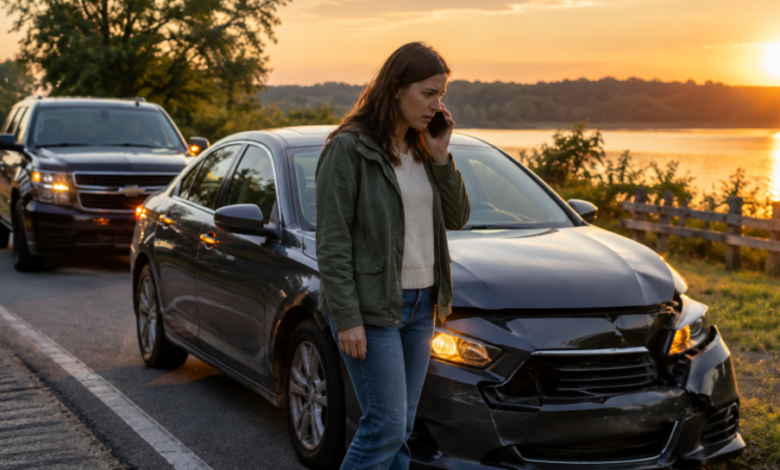
A collision can turn an ordinary drive through India Hook, Rock Hill, or nearby York County into a confusing and stressful experience. Whether it happens on a neighborhood street, near a busy intersection, or while traveling toward Lake Wylie, the top priorities are safety, medical attention, and the preservation of accurate information. People facing serious injuries, disputed fault, or difficult insurance communications may also wish to speak with a personal injury lawyer in India Hook, SC, to understand their options better. This checklist is designed to help drivers and passengers make clear decisions in the minutes, days, and weeks after a crash. It is not a substitute for emergency care, law enforcement instructions, or individualized legal advice.
Why the First Few Hours Matter After an India Hook Car Accident
Shock and adrenaline can make it difficult to recognize pain, remember details, or make decisions calmly. A driver may feel able to go home after a low-speed crash, only to develop neck stiffness, a headache, dizziness, or back pain later that day. Health concerns should always take priority over vehicle damage and paperwork. Early documentation also helps establish a reliable timeline. Photographs of vehicle positions, lane markings, weather conditions, traffic signals, and debris can be difficult or impossible to recreate once the road has been cleared and vehicles have been repaired. This is especially important on the roads and intersections throughout India Hook and Rock Hill, where traffic patterns and visibility can vary significantly. Questions can become more complicated when the driver was not the vehicle owner. Understanding borrowed car accident liability may be useful when a family member, friend, or coworker permits someone else to use the car involved in the collision.
Step 1: Check for Injuries and Call 911
Check yourself, passengers, and other people involved. Call 911 when anyone is injured, a vehicle is blocking traffic, there is a possible fire or fuel leak, or the scene otherwise feels unsafe. Tell the dispatcher the precise location, the number of vehicles involved, and any known injuries. Do not move a person with a potentially serious injury unless remaining in place presents an immediate danger.
Step 2: Move to a Safer Location When Possible
If a vehicle is drivable and its position creates a hazard, turn on hazard lights and move it carefully to a safer nearby area. Do not take risks to protect the vehicle or preserve its original position. A disabled vehicle, a crash involving severe injuries, or a scene with debris and fluid leaks may require drivers to remain clear and wait for responders. Moving a vehicle for safety does not, by itself, determine fault.
Step 3: Exchange the Right Information
Stay polite, brief, and factual. Exchange names, contact details, driver’s license information, license plate numbers, insurance information, and vehicle descriptions. If witnesses stopped, ask for their names and phone numbers. Do not argue, apologize for causing the crash, promise to pay, or draw conclusions about who was responsible before the facts are known.
Step 4: Document the Scene
When it is safe, use a phone to photograph every vehicle from several angles. Include visible damage, license plates, the roadway, lane lines, signs, traffic lights, skid marks, debris, lighting, and weather conditions. Photograph visible injuries and damaged personal property. Write a short account of what happened while details are fresh, and preserve dash camera footage if one is available. Nearby businesses may have security video, but it can be overwritten quickly.
Step 5: Get Medical Care Promptly
Seek emergency care when symptoms are urgent, and arrange an examination when pain or unusual symptoms develop after the crash. Follow medical instructions, attend recommended follow-up appointments, and save discharge papers, prescriptions, bills, referrals, and appointment summaries. Medical treatment should focus on protecting health, while complete records can also show the course of care if an insurance claim follows.
Step 6: Notify the Insurer Carefully
Most auto policies require prompt notice of a collision. Report the date, location, vehicles involved, and known damage or injuries accurately, but do not guess about speed, fault, or future medical needs. Keep the claim number and the name of each representative. Save emails, letters, text messages, and notes from phone calls. Before giving a detailed recorded statement, consider whether you have enough information to answer accurately.
Step 7: Request and Organize the Collision Report
A law enforcement report can provide useful identifying details, diagrams, and an initial record of the event. Drivers can check whether an official report is available through the South Carolina collision report process. Keep the crash date, county, report number, and driver information available when making a request. South Carolina law also places reporting duties on an operator or owner when a qualifying collision was not investigated by law enforcement. The state’s accident-reporting provisions describe when a written report and proof of insurance may be required, including certain crashes involving injuries, death, or significant apparent property damage.
Common Mistakes That Can Create Problems
- Leaving the scene before completing necessary safety and reporting steps.
- Ignoring symptoms because they initially seem minor.
- Throwing away damaged clothing, helmets, child seats, or other potential evidence.
- Posting opinions, photographs, or arguments about the crash on social media.
- Accepting a settlement before understanding repair needs and medical treatment.
- Failing to record missed work, mileage, prescriptions, towing charges, and rental costs.
What to Keep in an Accident File
- Crash records: photographs, witness details, police report, and claim number.
- Medical records: bills, diagnoses, prescriptions, treatment notes, and referrals.
- Property records: repair estimates, towing invoices, rental receipts, and lists of damaged items.
- Work and communication records: missed-time documentation, pay records, emails, letters, and notes from calls.
When a Legal Review May Be Helpful
A legal review may be appropriate when injuries are serious or lasting, fault is disputed, multiple vehicles are involved, or the collision includes a commercial truck, rideshare vehicle, motorcycle, or uninsured driver. It may also help when an insurer denies a claim, delays payment, or presents settlement documents before treatment and losses are fully understood. Professional guidance can clarify deadlines, available coverage, evidence needs, and settlement language without guaranteeing any particular outcome.
Frequently Asked Questions
Should I call 911 after a minor crash?
Call when there are injuries, traffic hazards, safety concerns, or uncertainty about what to do. When in doubt, requesting assistance is generally safer than trying to manage a dangerous roadside situation alone.
Can I move my car before the police arrive?
Safety comes first. If the vehicle can be moved safely and is blocking traffic, moving it may reduce the risk of another collision. Do not move someone with serious injuries or place yourself in danger to move a vehicle.
How long should I keep accident records?
Keep records until insurance claims, repairs, treatment, and any related disputes are fully resolved. Digital backups are helpful if original documents are misplaced.
See also: From Idea To Decision: How To Build Clear, Persuasive Business Presentations
Conclusion
After an India Hook car accident, a calm, organized plan can help reduce confusion in an already stressful situation. Put safety first, obtain appropriate medical care, document the accident scene and any visible damage when it is safe to do so, communicate carefully with insurance representatives, and keep all important records in one place. Medical bills, treatment notes, photographs, witness information, repair estimates, insurance correspondence, and other related documents may become useful as the situation develops. Avoiding rushed decisions and keeping track of important dates and conversations can also make it easier to understand the next steps. These practical habits can help make the recovery and claims process more manageable for drivers and families across York County.