Key Takeaways
- Evaluate your home’s essential power needs before choosing a generator.
- Compare the benefits and drawbacks of different fuel types for standby generators.
- Prepare for professional installation and understand local permit requirements.
- Routine maintenance is vital for long-term generator reliability.
Table of Contents
- Assess Your Power Needs
- Choose the Right Fuel Type
- Consider Installation Requirements
- Evaluate Noise Levels
- Budget Considerations
- Maintenance and Upkeep
- Safety Precautions
- Final Thoughts
Keeping your home powered during an unexpected outage is essential for both comfort and safety. Selecting the right standby generator can feel overwhelming, but understanding your home’s needs and your options will help you make an informed choice. For homeowners looking into various generator options, including trusted Honda gas generators this guide provides actionable tips to make sure you choose wisely.
The process involves assessing your power requirements, understanding different fuel types, and planning your installation. Only with proper research and preparation can you guarantee your household is protected the next time the lights go out. Standby generators give peace of mind and keep your daily routine uninterrupted, no matter what the weather brings.
Knowing how to size your generator and the importance of regular maintenance will ensure your investment pays off. It’s also crucial to follow safe operating practices to protect both people and property.
From installation logistics to budget considerations, each step is important. It helps to consult reputable resources as you compare models and options.
Assess Your Power Needs
Your first step is to determine which appliances and systems you want operational during a power outage. Typical essentials include the refrigerator, HVAC systems, lights, sump pumps, and any critical medical equipment. Add up the total wattage for all these items, taking into account the starting wattage required by some appliances; this is often significantly higher than their running wattage. Proper sizing prevents overloading your generator and helps you avoid unnecessary expenses.
Choose the Right Fuel Type
Standby generators most commonly use natural gas, propane, or diesel. Each fuel option comes with its unique advantages and practical considerations:
- Natural Gas: If your home has a gas line, a natural gas-powered generator provides continuous fuel and never requires manual refueling. Installation is simple for homes already connected to municipal gas.
- Propane: Propane can be stored on your property in large tanks and won’t degrade over time, supporting long-term emergency preparedness.
- Diesel: Diesel engines are known for their efficiency and are best suited for high-capacity generators, but you must manage on-site fuel storage and regular fuel maintenance.
The ease and cost of fueling your generator depend significantly on the resources available in your region. Factor in not only storage and delivery, but also how weather or disasters might affect supply chains.
Consider Installation Requirements
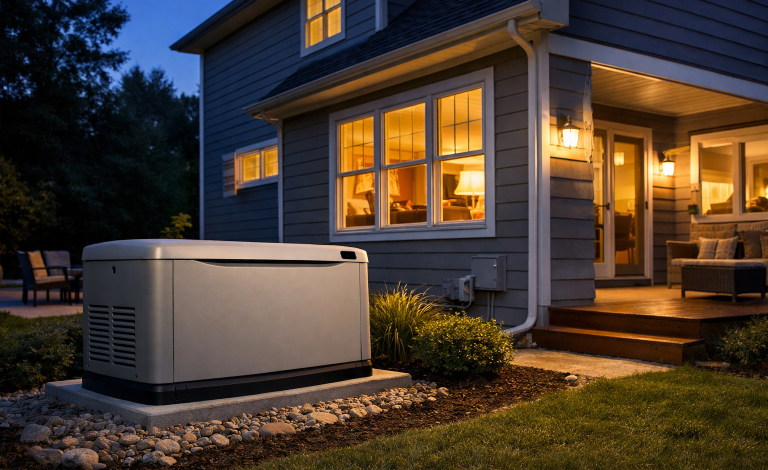
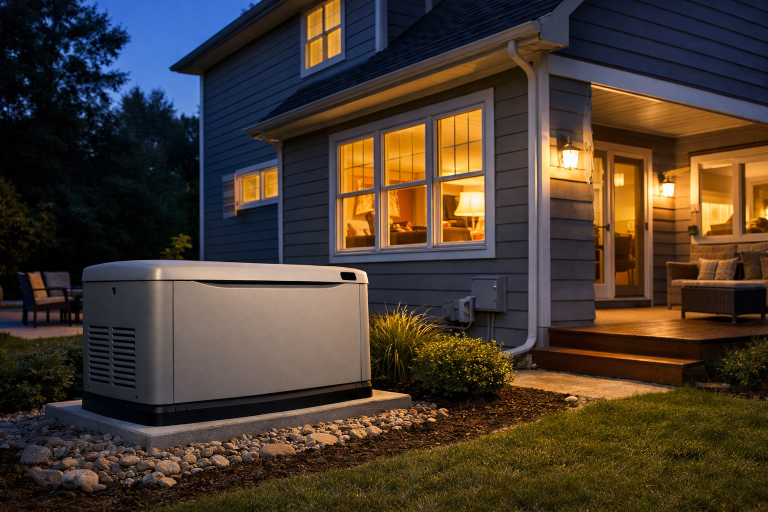
Installing a standby generator is not a DIY project. The process starts with choosing an appropriate site. Your generator should be easily accessible for maintenance, but far enough from windows and doors to prevent exhaust from entering your home. Installation locations must comply with local codes and noise ordinances.
- Permits: Local municipalities usually require permits and inspections before and after installing a generator. Failing to get the necessary approvals can create legal issues or invalidate your homeowner’s insurance during an emergency.
- Professional Installation: A licensed electrician will ensure your generator is properly connected to your home’s electrical panel, that safety switches are in place, and that the installation complies with all regulations.
Evaluate Noise Levels
Noise levels vary significantly by model and fuel type. If your generator will be close to living spaces or neighbors, opt for units designed for quiet operation. Many local governments enforce noise regulations that could impact which models you can install. Always check dB ratings in product specifications and consult user reviews to get an idea of what to expect during real-world operation.
Budget Considerations
Standby generator pricing is based on power output, fuel type, and optional features such as automatic transfer switches or remote monitoring. In addition to the unit cost, budget for professional installation, permitting fees, fuel storage, and ongoing maintenance. Set realistic expectations by balancing your household’s immediate needs with total project costs. Investing in a generator safeguards your home and can increase its value, but precise planning keeps the process affordable.
Maintenance and Upkeep
Generators must be serviced regularly to guarantee they remain dependable in emergencies. Maintenance tasks include changing oil and filters, testing the battery and electrical system, and running the unit periodically (often monthly) to ensure it stays operational. Follow the maintenance schedule recommended in your generator’s manual, and consider signing up for a service plan with a local professional to handle complex inspections and repairs.
Safety Precautions
Operating a standby generator involves serious risks if not handled properly. Always ensure the unit is placed in a well-ventilated, dry location to avoid carbon monoxide buildup and electrical hazards. Keep the generator surface dry, and never attempt to refuel while the engine is running or still hot. Store fuel safely in approved containers, away from living areas and ignition sources. Review manufacturer warnings and guidelines, and educate all household members on safe generator operation.
Final Thoughts
Choosing the right standby generator means understanding your home’s unique needs, along with fuel, installation, and maintenance considerations. With careful planning and attention to industry best practices, you can ensure your family’s safety and comfort during any outage. Select a model that fits your requirements, take safety seriously, and invest in maintenance for dependable backup power year after year.