Losing a tooth changes more than your smile. You notice it when you chew, when certain words sound different, and when you catch yourself covering your mouth in photos or conversation. If more than one tooth is missing, the stress tends to build fast. Eating gets harder, your bite can shift, and the question in the back of your mind stays there. If you are searching for a trusted Utica and Sterling Heights dentist, you may be wondering: What is the best way to fix this without making a hard situation harder?
You do have options, and they are not all the same. Some are built for long term strength, some are better for lower upfront cost, and some work well when several teeth are missing at once. The right choice depends on your oral health, budget, comfort, and goals. A general and restorative dentist can help you sort through those details and choose a plan that fits your life, not just your X rays.
Missing Teeth Affect Your Health, Function, and Confidence
A gap in your smile can seem manageable at first, especially if it is in the back where no one sees it. The trouble is that missing teeth often create problems that spread. Nearby teeth may drift into the open space. The opposing tooth can move because it no longer has contact. Your bite changes, and that can lead to uneven wear, jaw strain, and trouble chewing certain foods.
There is also the bone under the missing tooth. When a tooth root is gone, the jaw in that area gets less stimulation and can start to shrink over time. The National Library of Medicine explains this clearly in its overview of tooth loss and replacement options. That is one reason replacing a missing tooth is often about more than appearance.
The emotional side matters too. You might be avoiding crunchy foods, smiling less, or putting off treatment because the choices feel overwhelming. That is common. People often wait because they want to make the right decision, not because they do not care.
Dental Implants Replace Missing Teeth with Strong Support
Dental implants are one of the most durable restorative dentistry options for missing teeth. An implant places a titanium post in the jawbone, then a crown is attached on top to look and function like a natural tooth. If you are missing several teeth, implants can also support bridges or full arch restorations.
This option appeals to many people because it feels stable and does not rely on neighboring teeth for support. It also helps preserve bone in the jaw. The tradeoff is cost, healing time, and the need for enough healthy bone. Some patients need bone grafting before implant placement, which adds time and expense.
If you want something that feels as close as possible to a natural tooth and you are a good candidate medically and dentally, implants are often worth serious consideration.
Dental Bridges Fill Gaps Without Surgery
A dental bridge replaces one or more missing teeth by anchoring an artificial tooth to the natural teeth or implants next to the gap. For many people, this is a practical middle ground. It restores appearance and chewing function, and treatment is usually faster than implants.
The catch is that a traditional bridge often requires reshaping the neighboring teeth to hold crowns. If those teeth are already heavily filled or crowned, that may be reasonable. If they are healthy and untouched, some people hesitate to remove tooth structure. Bridges can last many years with good care, though they do not prevent bone loss in the way implants can.
This is one of the most common tooth replacement options for adults who want a fixed solution without oral surgery.
Partial Dentures Replace Several Missing Teeth at Lower Cost
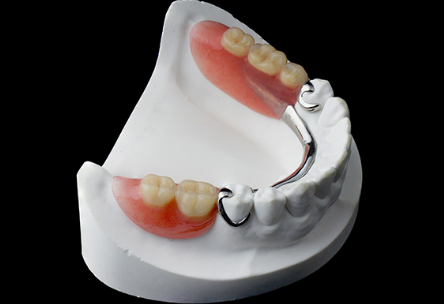
Partial dentures are removable appliances that fill in spaces when several teeth are missing but some natural teeth remain. They usually cost less than implants or bridges, which makes them a workable option for many households.
They can restore function and appearance well, though there is an adjustment period. Some people notice extra bulk in the mouth at first, and removable appliances need regular cleaning and maintenance. Fit can also change over time as the gums and bone shift. If you need to replace multiple teeth and want a non surgical option, partial dentures deserve a close look.
Complete Dentures Restore Smiles After Full Tooth Loss
When all teeth in the upper or lower arch are missing, full dentures can restore your smile and help with speech and eating. Modern dentures are more natural looking than many people expect, and they remain an important part of restorative dentistry.
They do come with limits. Traditional dentures rest on the gums, so stability can be an issue, especially on the lower arch. Adhesives may help, but some people still struggle with movement while eating or talking. MedlinePlus offers a helpful patient guide on dentures and what to expect. For patients who want better stability, implant supported dentures may combine the affordability of dentures with the added security of implants.
Comparing 4 Missing Tooth Solutions Side by Side
| Option | Best For | Main Benefits | Main Limits |
| Dental Implant | Single tooth or multiple teeth with enough bone support | Stable, natural feel, helps preserve jawbone | Higher upfront cost, surgery, longer treatment time |
| Dental Bridge | One or more missing teeth between healthy supports | Fixed in place, faster than implants, strong function | May require reshaping nearby teeth, does not preserve bone like implants |
| Partial Denture | Several missing teeth with some natural teeth remaining | Lower cost, non surgical, easier to replace multiple teeth | Removable, may feel bulky, fit can change over time |
| Full Denture | Complete tooth loss in one or both arches | Restores appearance and basic function, lower cost than full implant treatment | Can shift, chewing power is lower than fixed options, ongoing adjustments may be needed |
Three Practical Steps to Choose the Right Treatment
1. List what matters most to you. Start with the basics. Do you want the most natural feel, the lowest upfront cost, the shortest timeline, or the least invasive treatment? If you skip this step, every option can sound both right and wrong.
2. Ask for a full exam and replacement plan. A missing tooth affects the teeth around it, your gums, and your bite. A proper exam should look at bone levels, gum health, decay risk, and whether nearby teeth can support a bridge or partial. This is where a clear plan saves you from paying twice.
3. Compare short term price against long term value. The least expensive option today is not always the least expensive over ten years. Repairs, remakes, adjustments, and future tooth movement all matter. A good treatment conversation should include maintenance, lifespan, and what happens if your needs change later.
See also: How to Build a Monthly Bookkeeping Routine That Supports Small Business Growth in Ottawa, Ontario
The Right Restorative Dental Treatment Should Fit Your Life
If you are trying to weigh comfort, cost, health, and appearance all at once, you are not overthinking it. Replacing missing teeth is a real decision, and it affects daily life in ways other people do not always see. The good news is that there are reliable solutions, from bridges and dentures to implants, and the best one is the one that supports your health and feels manageable for you.
Talk with a general and restorative dentist about your options and get a treatment plan that matches your needs.