You may have noticed your child’s teeth came in looking different from the start. They may seem yellow, brown, rough, thin, chipped, or unusually sensitive. Meals get harder, brushing turns into a battle, and you start wondering whether this is a cavity problem, a hygiene problem, or something your child was simply born with. That kind of uncertainty wears on parents fast, which is why many families turn to experienced pediatric dentists in Oxnard, CA.
Amelogenesis imperfecta is a genetic condition that affects how enamel forms. The enamel may be too thin, too soft, poorly mineralized, or missing in areas. According to MedlinePlus Genetics, it can affect both baby teeth and adult teeth, and it often runs in families. The good news is that a pediatric dentist can do a lot to protect teeth, reduce pain, and help your child eat, smile, and grow with less stress.
Pediatric dentists treat amelogenesis imperfecta with early protection and long term planning
Children with this condition do not just have teeth that look different. They often have real discomfort. Cold foods can sting. Brushing can hurt. Enamel that is weak or thin breaks down faster, so teeth may wear flat, chip at the edges, or trap plaque in rough spots. A child may avoid smiling because classmates notice the color or shape of the teeth before adults do.
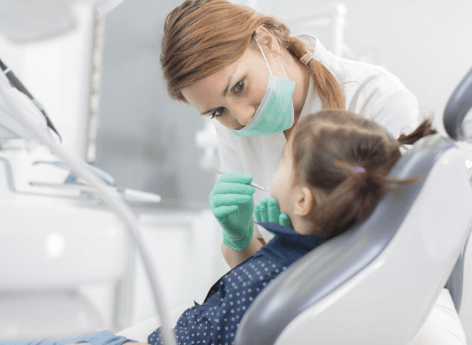
That is where a pediatric dentist becomes more than someone who checks for cavities. A pediatric dentist looks at function, pain, growth, and confidence all at once. With pediatric dental care for amelogenesis imperfecta, the goal is usually to preserve tooth structure early, then adjust treatment as the child grows.
Diagnosis often starts with a close exam, dental X rays, family history, and a review of symptoms. Some children also have delayed eruption, bite problems, or teeth that are smaller than expected. The NIH Genetic and Rare Diseases Information Center describes the condition as rare, but for families living with it, the daily effect is anything but small.
Once the pattern is clear, treatment usually focuses on four needs. The first is sensitivity control. The second is protecting teeth from wear and breakage. The third is reducing decay risk. The fourth is helping appearance in a way that matches the child’s age and stage of development.
Teeth affected by amelogenesis imperfecta need different care than routine pediatric dentistry
A child with weak enamel may not respond well to the usual wait and watch approach. If the enamel is breaking down, time can make the problem more expensive and more painful. You might hear that the teeth should just be left alone until the permanent teeth come in, but that does not work well when baby teeth already hurt, wear down, or affect eating and speech.
Pediatric dentists often use fluoride varnish, desensitizing agents, sealants when possible, tooth colored fillings, stainless steel crowns on back teeth, and bonded coverings on front teeth. For some children, full coverage is the best way to stop ongoing loss of tooth structure. If a tooth is too damaged or infected, other treatment may be needed, but preserving teeth is usually the first choice.
The American Academy of Pediatric Dentistry outlines management of hereditary enamel defects in its guidance on oral health care for children with inherited dental conditions. That guidance supports early diagnosis, prevention, and age based restorative care. In plain terms, treatment is rarely one and done. It is a series of smart steps that change as your child grows.
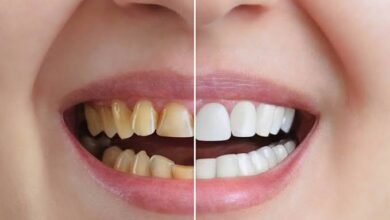
Appearance matters too. Parents sometimes worry that asking about cosmetic improvement sounds shallow. It is not. When a child covers their mouth to laugh or refuses school pictures, that is part of health. Managing enamel defects in children often includes improving color, shape, and symmetry so a child feels more at ease socially.
Common treatment options for pediatric enamel defects and what they address
| Treatment | Main Goal | When It May Be Used | Limits to Know |
| Fluoride varnish and desensitizing products | Reduce sensitivity and strengthen remaining enamel | Early and ongoing care | Does not rebuild missing enamel |
| Sealants or protective coatings | Shield grooves and rough areas from decay | When enough enamel is present for bonding | May not hold well on severely affected teeth |
| Tooth colored fillings or bonding | Repair chips and improve appearance | Front teeth or small damaged areas | Can wear or detach over time |
| Stainless steel crowns | Protect back teeth from wear and pain | Baby molars and sometimes young permanent molars | Metal look is visible in back teeth |
| Custom crowns or veneers later on | Restore function and appearance long term | Older children and teens after growth changes are clearer | Often delayed until timing is right |
This is why amelogenesis imperfecta treatment in children usually happens in phases. A six year old may need pain relief and protection first. A twelve year old may need bite monitoring and updated restorations. A teen may be ready for more lasting cosmetic and functional work.
Families do better when home care matches the dental plan
Even the best office treatment can fail if home care hurts so much that a child avoids it. Pediatric dentists often recommend soft toothbrushes, low abrasion toothpaste, careful brushing coaching, and diet changes that lower acid and sugar exposure. If your child sips juice often, chews ice, or snacks all day because chewing is uncomfortable, those habits can speed up breakdown.
There is also the emotional side. Children with enamel defects may feel embarrassed, and parents may carry guilt that has no place here. This condition is genetic. It is not caused by poor parenting. Good care does matter, but it is not the reason the enamel formed this way.
Three steps you can take right away
Schedule an early pediatric dental evaluation. Do not wait for severe pain or visible fractures. Early records, X rays, and photographs help track wear and guide timing for treatment.
Keep a symptom list. Write down which teeth seem sensitive, what foods trigger pain, whether brushing causes tears, and any family history of similar teeth. Those details help the pediatric dentist choose the right protection.
Shift the home routine to comfort first. Use a soft brush, offer lukewarm foods if cold hurts, and ask about prescription strength products if sensitivity is stopping brushing. A workable routine beats a perfect routine your child cannot tolerate.
Children with amelogenesis imperfecta often need steady care, not rushed care. The right pediatric dentist helps protect teeth now and plan for what comes next, so your child has less pain and more confidence at every stage. If you are seeing signs of weak, discolored, or sensitive enamel, make an appointment with a pediatric dentist and get a treatment plan that fits your child’s age, needs, and growth.