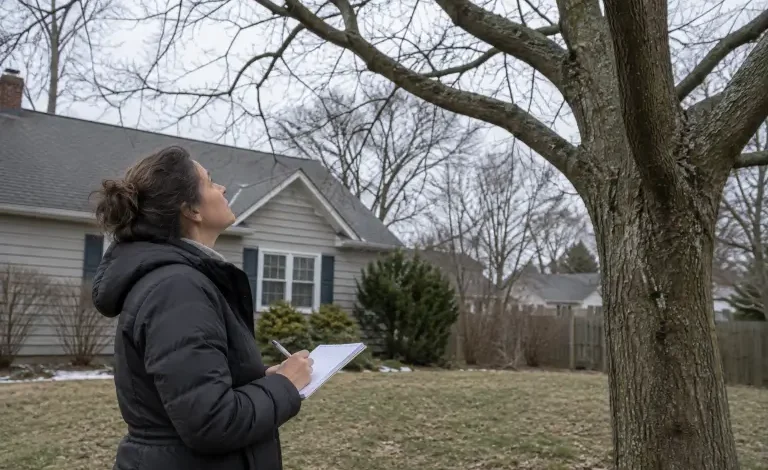
From wooded properties in Vernon and Sparta to established neighborhoods around Newton, Sussex County trees must handle changing temperatures, heavy rain, wind, dry spells, and occasional storm damage. A seasonal routine helps homeowners notice changes early, reduce preventable stress, and make safer decisions before a small concern becomes a larger property issue.
For homeowners considering a tree spraying service Sussex County NJ, McCullough Tree Experts LLC provides tree care, spraying, pruning, removal, cabling, and storm-damage support for residential and commercial properties. The family-owned company describes more than 40 years of experience. It serves Sussex County communities, including Newton, Sparta, Vernon, Wantage, Franklin, and Byram, making it a practical local resource for evaluating a tree’s species, condition, and treatment needs.
Why a Seasonal Tree Care Plan Helps
Trees do not face the same risks all year. Bare branches make structural defects easier to see in winter. Spring growth can reveal insects, leaf diseases, and drainage problems. Summer heat can expose weak root systems or inconsistent watering. Fall storms may leave cracked limbs, loose bark, or new hazards over driveways and outdoor spaces.
A healthy canopy does not always mean a healthy tree. Root damage, weak branch unions, trunk cavities, compacted soil, and old storm injuries may be difficult to recognize without a close inspection. A written calendar gives homeowners a simple way to track recurring symptoms, schedule appropriate care, and compare a tree’s condition from one season to the next.
Late Winter: Inspect, Plan, and Prepare
Late winter is often a useful time to walk the property because leaves are absent. Look for deadwood, cracks, cavities, rubbing limbs, hanging branches, old pruning wounds, and branches extending over roofs, parking areas, or play spaces. Review the tree’s overall form and note tight or weak-looking branch connections.
This is also a time to plan structural pruning when it is appropriate for the species and weather conditions. Do not assume every tree needs dormant pruning or treatment. Some pests and diseases require specific timing, and product directions should always control the application window for dormant or delayed-dormant products.
Late-Winter Homeowner Checklist
- Walk around each tree and inspect from several angles.
- Photograph cracks, mushrooms, cavities, or unusual bark damage.
- Mark limbs over structures, walkways, vehicles, and activity areas.
- Arrange a professional assessment for large, elevated, cracked, or leaning branches.
Spring: Watch New Growth and Early Pest Activity
As buds open, inspect new leaves for curling, spots, holes, discoloration, webbing, or sticky residue. Ant activity, aphids, scale insects, caterpillars, and other insects may become more visible as temperatures rise. Symptoms alone do not confirm the cause. Heat, poor drainage, root stress, insects, and disease can sometimes produce similar leaf changes.
Correct identification should come before spraying. Inspect leaves, twigs, trunk bark, the root flare, and the soil around the tree. Dead, damaged, or crossing limbs can be pruned when appropriate, but avoid making unnecessary cuts just because spring has arrived. Good cultural care also matters. Soil compaction, poor drainage, and weak watering habits can make a tree less resilient when pests or disease appear.
Summer: Reduce Heat and Drought Stress
During dry weather, deep, gradual watering is generally more effective than frequent, shallow sprinkling. Apply water over the root zone and toward the drip line, rather than concentrating it against the trunk. Watch for early leaf drop, brown leaf edges, thinning foliage, branch-tip dieback, wilting in mild weather, or sticky material on leaves, patios, and vehicles.
Mulch can help conserve soil moisture and moderate soil temperatures when it is used correctly. Keep it away from direct contact with the trunk and avoid deep piles. Penn State Extension guidance on over-mulching landscape trees explains why excessive mulch against the trunk can interfere with healthy root and bark conditions.
Do not automatically treat a stressed tree. A spray may not solve a watering issue, compacted soil, root injury, or weather-related stress. First, determine whether insects or disease are actually present and whether treatment is warranted.
Fall: Review Damage and Prepare for Winter
After summer storms and strong winds, inspect trees for hanging limbs, new cracks, loose bark, exposed roots, and branches that have shifted toward a structure. Continue watering during dry fall periods until the ground begins to freeze. Removing hazardous dead limbs before winter weather can reduce the chance of failure when snow, ice, or wind adds weight and movement.
Fall is also a good time to make notes for dormant-season work. Record recurring leaf problems, areas of poor drainage, branches that need a closer look, and trees that may benefit from pruning, cabling, or a professional health assessment. Leaf cleanup does not have to mean stripping every leaf from beneath every tree. Managed organic material can support soil health, provided it does not create thick, wet layers against trunks.
How to Decide if Tree Spraying Is Needed
- Identify the symptom. Note what changed, when it appeared, and which part of the tree is affected.
- Confirm the tree species. Different trees have different pest and disease concerns.
- Inspect the full tree. Check foliage, branches, trunk, root flare, and surrounding soil.
- Determine the likely cause. Avoid treatment based on a single leaf or an online photo alone.
- Choose the least disruptive, effective option. Monitoring, watering, mulch correction, pruning, or targeted treatment may be appropriate.
- Follow the label. Observe directions for rates, weather limits, protective equipment, and site restrictions.
- Recheck results. Track improvement rather than repeating a treatment out of habit.
When to Call a Tree Professional
Call for professional help when a tree has a large crack, cavity, lean, damaged root flare, recurring pest symptoms, or limbs over a home, road, driveway, or play area. Storm-damaged trees and branches near power lines require particular caution. New Jersey’s tree-care licensing framework distinguishes services such as diagnosis, treatment, pruning, cabling, and tree risk management, as outlined by the New Jersey Board of Tree Experts.
A Simple Monthly Tree Care Checklist
- January to February: Inspect structure, note hazards, and plan appropriate dormant-season work.
- March to April: Watch bud break and check emerging leaves for pests or disease symptoms.
- May to June: Monitor moisture, foliage, insects, and branch health.
- July to August: Prioritize deep watering, mulch checks, heat stress, and storm inspections.
- September to October: Review summer damage and continue watering during dry conditions.
- November to December: Inspect after storms and document branches needing attention.
Common Questions About Seasonal Tree Care
Is Tree Spraying Needed Every Year?
Not necessarily. The need for treatment depends on the tree species, pest or disease history, current symptoms, weather, and inspection findings.
Can Watering Fix Yellow Leaves?
Yellow leaves can result from drought, excess water, poor drainage, nutrient issues, pests, disease, or root problems. Diagnose the cause before changing the watering routine.
Should Damaged Branches Be Removed Right Away?
Small, reachable branches may be manageable with proper tools and techniques. A qualified professional should assess large, cracked, suspended, or elevated limbs.
Conclusion
Healthy Sussex County trees benefit from steady observation rather than rushed treatment. By matching inspections, watering, pruning, and pest monitoring to the season, homeowners can protect valuable shade trees, identify hazards sooner, and know when to seek experienced help.