Key Takeaways
- Compare a property’s location, lot, layout, and condition, not simply its asking price or square footage.
- Visit the surrounding streets at different times to understand traffic, parking, noise, and daily convenience.
- Review disclosures, permits, title information, insurance options, and anticipated ownership costs early.
- Use independent inspections and qualified advice before removing important purchase contingencies.
- Choose the home that supports your routine and long-term plans, not only the one that creates the strongest first impression.
Buying in Brentwood calls for a close look beyond beautiful photography, staging, and a polished first showing. Buyers comparing homes for sale in Brentwood can use the Brentwood-focused property search from Jack Friedkin & Leonard Rabinowitz as a starting point for evaluating available residences and their features. Their work across Brentwood and neighboring Westside communities, including Beverly Hills, Bel Air, and Malibu, makes local property context especially useful for comparing streets, lot settings, and home styles.
The best decision is rarely based on a single feature. A home may have an exceptional kitchen but limited storage, a generous interior but a difficult driveway, or a quiet backyard but a location that does not fit the buyer’s usual routine. Evaluating the complete ownership picture helps turn an emotional showing into a more confident purchase decision.
Why the First Showing Is Only the Starting Point
Open houses are designed to make a home feel inviting. Natural light, fresh finishes, and carefully arranged rooms can help buyers picture a future there, but they do not answer every practical question. Treat the first visit as an introduction, then return with a more deliberate plan.
Separate what looks appealing from what works every day. Think about morning traffic, delivery access, stairs, storage, guest space, pet needs, and the way the home functions when it is not prepared for a showing. In Brentwood, where homes can vary greatly in age, topography, lot size, and architectural character, that second layer of review matters.
Check the Location on More Than One Day
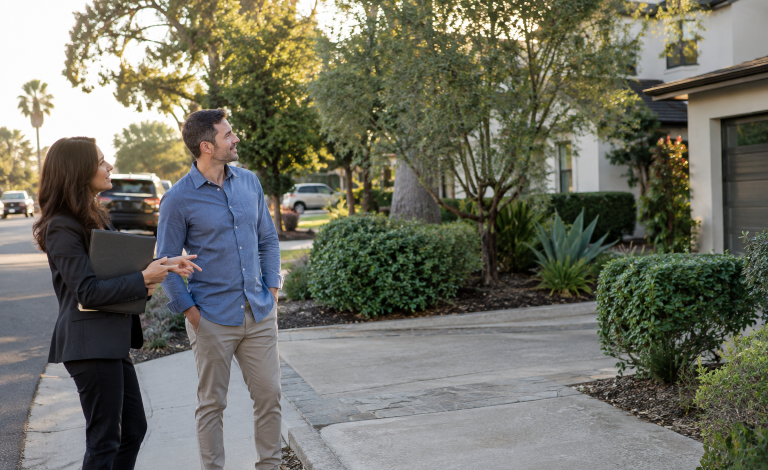
A quiet midday showing may not reveal the full rhythm of a street. Visit at different times, including a weekday morning, late afternoon, and a weekend, if possible. Drive the routes you expect to use most often and spend a few minutes outside rather than evaluating everything from indoors.
What to observe around the property
- Traffic volume, turning patterns, and nearby intersections.
- Street parking and the ease of entering or leaving the driveway.
- Noise from vehicles, schools, construction, landscaping, or commercial activity.
- Walking routes to local services, parks, and daily errands.
- Sidewalk condition, street lighting, landscaping, and overall upkeep.
Location also affects how a home feels inside. A residence that faces a busier road may need different window treatments or sound control than one set farther from through traffic. A hillside or canyon-adjacent setting may offer privacy and atmosphere, while also requiring closer attention to access, drainage, and vegetation maintenance.
Compare the Lot, Layout, and Usable Space
Square footage is a useful reference point, but it does not describe how well a home lives. A smaller residence with clear room placement, strong storage, and functional outdoor areas can be a better match than a larger home with awkward circulation or underused rooms.
As you walk through each property, consider whether bedrooms provide suitable privacy, whether the kitchen connects naturally to dining and outdoor areas, and whether the home offers enough flexibility for work, guests, exercise, or changing household needs. Look at the placement of closets, laundry, garage storage, and utility spaces. These details are easy to overlook during a brief tour but become part of everyday ownership.
Also compare the land itself. Ask how much of the lot is genuinely usable, how sun reaches the yard throughout the day, and whether a pool, lawn, terrace, or guest structure fits your plans. Driveway slope, turning space, gates, and parking capacity deserve the same attention as interior finishes.
Look Past Fresh Finishes and Review Condition
Fresh paint, updated hardware, and new appliances can improve presentation, but they do not confirm the condition of major systems. Pay close attention to the roof, plumbing, electrical components, heating and cooling equipment, windows, drainage, retaining walls, and visible signs of moisture or cracking.
Once an offer is accepted, schedule an independent inspection promptly. This distinguishes an inspection from an appraisal and explains why an inspector working for the buyer is important. Depending on the property and inspection findings, a buyer may also need specialized evaluations for roofing, sewer lines, chimneys, foundations, pools, pests, or other systems.
Ask About Permits, Additions, and Previous Work
Renovations can add comfort and value, but buyers should verify the work rather than assuming every finished area is recognized as legal living space. Ask about additions, converted garages, accessory structures, pools, solar equipment, electrical upgrades, and major remodels.
- Request any available permits, plans, invoices, and warranties.
- Compare those records with the property’s current configuration.
- Ask when major work was completed and who performed it.
- Clarify whether warranties, leases, or service agreements transfer at closing.
- Discuss unclear items with the appropriate inspector, contractor, lender, insurer, or legal professional.
Permit questions can affect future remodeling, financing, insurance, and resale. They are worth addressing early, while the buyer still has time to investigate and make decisions within the purchase contract timeline.
Review Disclosures, Title Records, and Ongoing Costs
The purchase price is only one part of affordability. Build a realistic ownership estimate that includes mortgage principal and interest, property taxes, homeowners insurance, utilities, routine maintenance, landscape care, pool service, security, association dues where applicable, and planned improvements.
Buyers should read every disclosure and ask direct questions about anything that is incomplete or unclear. California’s homebuying process guidance explains the importance of inspections, disclosures, preliminary title reports, escrow, and closing documents. In particular, review title information for easements, liens, restrictions, shared-driveway arrangements, and other recorded matters that may affect use of the property.
Check Insurance Before Making a Final Decision
Insurance should be part of the research process, not an afterthought before closing. Obtain quotes early enough to understand the expected premium, deductible, coverage limits, and any insurer requirements related to the property. Ask whether the policy adequately reflects the home’s replacement needs, features, and location.
A buyer who focuses only on a projected loan payment can miss costs that shape the true monthly and annual budget. If coverage is limited, expensive, or subject to conditions, discuss the issue with an insurance professional before making a final commitment.
Use Comparable Sales With Care
Comparable sales help establish context, but no two Brentwood properties are identical. Recent sales should be evaluated for location, lot size, street position, privacy, views, condition, architecture, renovation quality, and functional space. Price per square foot can be useful as one reference, but it should not replace a full comparison.
Ask whether nearby sales were truly similar, how recently they closed, and whether their terms included seller credits or other concessions. A home on a more private street, with a better lot or a more useful floor plan, may deserve different consideration than a similar-sized property elsewhere.
Questions to Ask During a Showing
- How old are the roof, HVAC equipment, plumbing, and main electrical panel?
- Have there been leaks, drainage concerns, foundation repairs, or pest issues?
- Which renovations and additions were completed with permits?
- What items, fixtures, and equipment will remain after closing?
- Are there easements, shared driveways, gates, or access agreements?
- What recurring maintenance should a buyer expect?
- Are there known insurance, financing, or appraisal concerns?
- How does the property differ from recent nearby sales?
A Simple Decision Framework
After touring several homes, rate each one from one to five for location and daily convenience, condition and expected repairs, layout and usable space, privacy and outdoor areas, insurance and ownership costs, and resale flexibility. Add short notes beside each score. This process makes trade-offs visible and helps buyers recognize when a memorable feature is masking a larger compromise.
Buy the Home That Works Beyond the First Impression
The strongest Brentwood purchase is not automatically the largest, newest, or most dramatic property. It is the home that fits the buyer’s daily life, budget, comfort with maintenance, and long-term goals. Careful visits, clear questions, independent inspections, and a thorough review of the records can help buyers move forward with greater clarity.