Dense brush, tall grass, small trees, and invasive vegetation can make a property difficult to access, maintain, or prepare for its next use. Rise & Harmony Land Clearing & Landscape helps owners address those challenges with forest mulching, a practical approach for processing selected vegetation directly on the property. As a land clearing company Central Florida property owners can contact for forest mulching, Rise & Harmony Land Clearing & Landscape evaluates the vegetation, access conditions, and intended use of the land before recommending an approach. The right clearing method depends on the site, including drainage, protected areas, utilities, soil conditions, and the owner’s goals.
Why Overgrown Property Can Become a Bigger Problem
Overgrowth often starts as a maintenance issue, but it can gradually limit how a property is used. Thick vegetation may obstruct driveways, fence lines, trails, planned building areas, and open spaces. It can also make it harder to see fallen limbs, debris, uneven ground, drainage concerns, or other conditions that need attention. Vegetation management is particularly important when non-native invasive plants are present. The Florida Department of Agriculture and Consumer Services explains that invasive plants can displace native vegetation and alter natural processes, including water movement and fire patterns. That does not mean every overgrown lot contains invasive species, but it does mean that landowners should carefully identify vegetation and avoid treating every plant problem in the same way.
See also: 5 Smile Friendly Habits That Extend The Life Of Cosmetic Work
How Forest Mulching Works
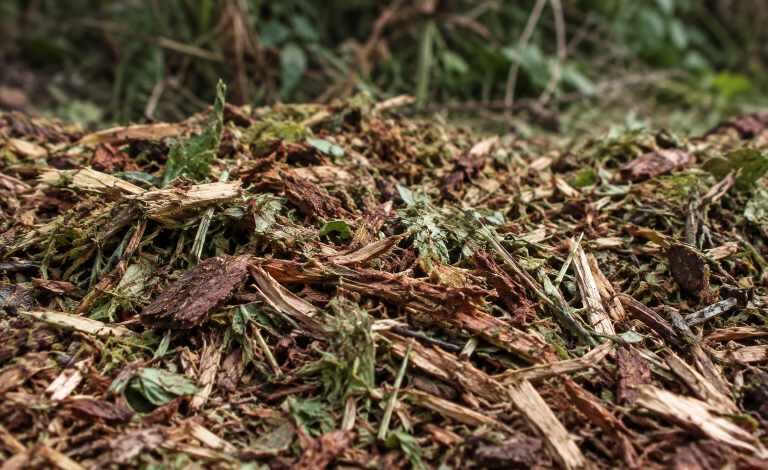
Forest mulching is a land-clearing method that cuts and breaks down vegetation where it stands, rather than requiring all material to be piled, loaded, and hauled away. Rise & Harmony Land Clearing & Landscape uses compact track loaders equipped with drum mulchers to process dense brush, small trees, and tall grass into ground cover.
- Review the property. The team considers vegetation density, access, obstacles, and the areas the owner wants to improve.
- Define the objective. A project may focus on access, overgrowth control, construction preparation, scenic improvement, or recreational use.
- Process targeted vegetation. The mulching equipment reduces selected brush and woody growth into smaller material.
- Leave mulch across the work area. The processed material remains on site rather than becoming a separate hauling load.
- Plan the next phase. The cleared area can then be assessed for landscaping, construction, fencing, trails, or additional land preparation.
What Forest Mulching Can Help Address
Forest mulching is not a one-size-fits-all solution, but it can be a useful option for several common property conditions:
- Dense undergrowth: Thick brush and woody vegetation can be reduced to improve visibility and movement through targeted areas.
- Tall grass and unmanaged growth: Surface vegetation can be cut back to create a cleaner, more usable space.
- Small trees and volunteer growth: Selected small trees can be mulched where they interfere with the property’s intended use.
- Overgrown building areas: Vegetation can be cleared before later site-preparation steps are considered.
- Blocked recreational spaces: Trails, open areas, and scenic sections of a property can be opened while mulch remains on the ground.
Why Property Owners Consider Forest Mulching
For many Central Florida properties, forest mulching offers a way to reduce vegetation while avoiding the need to remove every piece of organic material from the site. The remaining mulch can create a more natural-looking finish than a completely bare clearing area. It can be especially useful when an owner wants to improve access and appearance at the same time. However, mulching is not automatically appropriate for every location. Wet areas, protected vegetation, utility corridors, steep slopes, sensitive habitat, and regulated land may require additional evaluation before work begins.
Forest Mulching Compared With Other Clearing Approaches
- Forest mulching: Often considered for brush, tall grass, small trees, access improvements, and selected land-preparation projects.
- Brush removal and hauling: May be appropriate when vegetation must leave the property or when debris cannot remain on site.
- Selective tree work: Can be a better fit where specific trees must remain protected and surrounding vegetation needs careful treatment.
- Grading or excavation: May be needed after vegetation clearing when a project requires changes to elevation, drainage, or site contours.
When invasive plants are involved, clearing alone may not provide lasting control. UF/IFAS guidance on integrated management of invasive plants notes that management may combine prevention, mechanical work, physical controls, biological controls, and herbicides as appropriate. The best plan depends on the species, the site, and the desired outcome.
When to Contact Rise & Harmony Land Clearing & Landscape
Professional evaluation may be useful when brush begins blocking vehicle or foot access, vegetation spreads toward structures or fence lines, or the ground beneath the overgrowth cannot be safely assessed. It is also worth contacting Rise & Harmony Land Clearing & Landscape before construction, landscaping, trail creation, or recreational improvements are planned.
Questions to Ask Before Requesting a Quote
- What kinds of vegetation are growing on the property?
- Which areas need attention, and how will they be used afterward?
- Are there trees, wetlands, utility lines, structures, or drainage features that need protection?
- Will mulch remain on site, or does material need to be removed?
- Are there access limitations, soft ground, slopes, surveys, permits, or utility locates to consider?
Frequently Asked Questions
Does forest mulching remove all vegetation?
Not necessarily. Forest mulching can be targeted to the vegetation that needs removal while preserving selected trees or areas that should remain undisturbed.
Can forest mulching prepare land for construction?
It can clear vegetation before later construction-related work, but site preparation requirements vary. Grading, drainage work, permits, and other steps may still be needed.
Is forest mulching a complete invasive plant solution?
No. Some invasive species can resprout or spread after disturbance. A long-term management approach may be necessary when invasive plants are confirmed on the property.
Move Forward With a Site-Specific Plan
Rise & Harmony Land Clearing & Landscape provides a practical starting point for Central Florida owners facing overgrown land. Forest mulching can help process brush, tall grass, and selected small trees while leaving mulch on site. A conversation about the property’s vegetation, access, drainage, and future use can help determine whether forest mulching is the right next step.
Conclusion
Managing overgrown land starts with understanding the property’s condition and choosing a clearing method that supports its intended use. Rise & Harmony Land Clearing & Landscape offers forest mulching to help Central Florida property owners address dense brush, tall grass, and selected small trees while leaving processed mulch on site. Whether the goal is to improve access, open recreational spaces, or prepare for future projects, a site-specific assessment can help identify the right approach. For properties with invasive vegetation or sensitive environmental features, additional planning may also be necessary. Contacting the company to discuss the land, clearing goals, and site conditions is a practical first step toward creating a more accessible and manageable property.