Modern Sustainable Landscape Design: Creating Outdoor Living Spaces for Today’s Homeowners

Creating an outdoor space that balances beauty with environmental responsibility is an achievable goal for homeowners today. When you blend sustainable choices into your landscape design, you benefit from outdoor living areas that are both elegant and eco-friendly. Consulting an expert in landscape design and build can help you implement solutions that save resources while enhancing your property’s style and functionality.
Modern trends in outdoor living prioritize water conservation, ecological health, and year-round usability. By drawing on contemporary projects and integrating the right features, you can cultivate a landscape that reflects both personal taste and respect for the environment.
Sustainability starts with smart plant selection and extends to the way you handle stormwater, lighting, and irrigation. Today, more homeowners are seeing the value of technology and thoughtful design for transforming patios, gardens, and entertaining areas into spaces that are as functional as they are inviting.
The evolution of sustainable outdoor living also brings fresh, creative ideas for enjoying your yard. With multi-functional zones, energy efficiency, and nature-friendly material choices, you can curate a landscape that’s ready for gatherings or quiet evenings all year long.
Choosing Native and Drought-Tolerant Plants
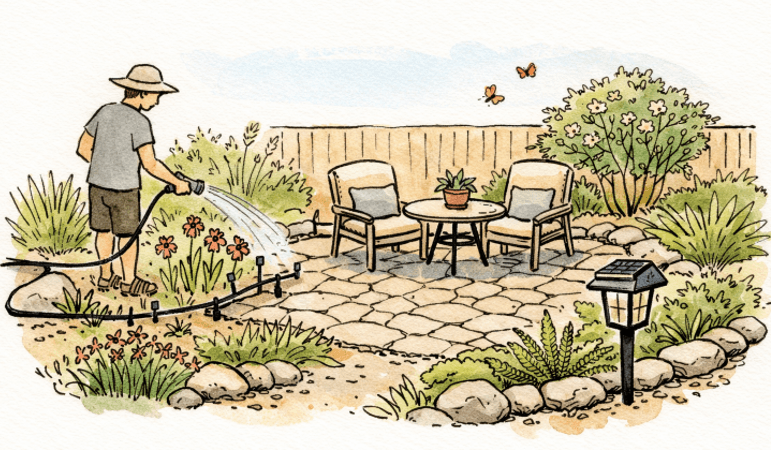
One of the most impactful steps in sustainable landscaping is selecting native and drought-tolerant plant varieties. These species adapt well to the local climate, requiring far less water, fertilizer, and chemical intervention than traditional lawns or exotic plants. In regions like California, replacing thirsty lawns with succulents, ornamental grasses, and native shrubs has transformed many residential gardens into vibrant, low-maintenance environments. Not only does this save significant amounts of water, but it also provides habitats for local wildlife, pollinators, and beneficial insects. The California Native Plant Society has resources and guides on creating beautiful, regionally appropriate gardens that thrive with minimal care and resources. For more, visit the California Native Plant Society Gardening page.
Utilizing Permeable Materials
Hardscape features like patios, walkways, and driveways can have a big impact on how your landscape manages water. Traditional concrete and asphalt surfaces shed water, contributing to runoff and potential flooding. Swapping these materials for permeable alternatives, such as self-binding gravel or pervious pavers, allows rainwater to infiltrate and replenish groundwater naturally. These surfaces also help reduce the heat island effect in urban and suburban yards, keeping your outdoor living space cooler and more comfortable. According to the Environmental Protection Agency, permeable pavement techniques play a crucial role in sustainable urban design by decreasing stormwater runoff volume and improving water quality. Discover more at EPA: Permeable Pavements.
Incorporating Energy-Efficient Lighting
Modern outdoor lighting does more than set the mood; it helps to reduce your carbon footprint. LED landscape lighting, solar-powered fixtures, and smart lighting control systems make it easy to illuminate walkways, patios, and gardens while using much less electricity. With smart technology, you can program lights to turn off when not needed or dim automatically, conserving energy and extending the life of your lighting system. Proper placement also minimizes light pollution, letting you enjoy dark skies and natural nighttime ambiance. Many designers recommend a layered approach with path lights, accent lights, and subtle uplighting to highlight landscape features.
Implementing Smart Irrigation Systems
Efficient irrigation technology represents a big leap in sustainable outdoor living. Smart irrigation systems rely on weather forecasts and soil moisture sensors to optimize watering schedules. By adjusting the flow and timing based on actual need, these systems prevent waste and ensure plants get just the right amount of moisture. Studies have shown that switching to weather-sensitive controllers and drip irrigation can reduce landscape water use by up to 50 percent. This not only conserves a precious resource but also saves homeowners time and money in the long run. For more information, refer to the study “Improving urban irrigation efficiency by using weather-based ‘smart’ controllers” published in the Journal of the American Water Works Association.
See also: I Spent Weeks Comparing Affordable Home Saunas and Here Are the 10 I’d Actually Buy
Designing Multi-Functional Outdoor Spaces
Today’s most sought-after outdoor living spaces are designed to be flexible and functional year-round. Features such as modular seating, pergolas, outdoor kitchens, and fire pits invite families to socialize, dine, or relax in the fresh air. Multi-use zones let you host gatherings, work remotely, or enjoy hobbies surrounded by nature year-round. Thoughtful design elements, such as shade trees or retractable awnings, can help your outdoor space adapt to changing weather while encouraging regular use and connection with the outdoors. According to Houzz’s Outdoor Living Trends, these versatile living spaces continue to grow in popularity as homeowners seek to make the most of their properties.
Conclusion
Sustainable landscape design merges thoughtful planning, advanced technology, and creative plant choices to produce outdoor environments that are modern, enjoyable, and gentle on natural resources. Choosing native plants, integrating permeable materials, installing energy-efficient lighting, using smart irrigation systems, and creating multi-functional spaces are all straightforward ways to boost your home’s curb appeal and eco-friendliness. By focusing on sustainable practices, today’s homeowners can look forward to years of outdoor enjoyment while contributing to a healthier planet.