You want your smile to look better, but you do not want a treatment plan that grinds down healthy teeth just to make them look different. That concern is reasonable. A lot of people hear “cosmetic dentistry” and picture aggressive work, permanent changes, and a result that looks good for a while but costs more tooth structure than they expected. In some cases, options like CEREC crowns in Hemet may also come up as part of the conversation, depending on your needs.
The good news is that modern cosmetic care does not have to mean removing large amounts of enamel. In many cases, a skilled general and cosmetic dentist can improve color, shape, balance, and wear with a conservative approach that protects as much natural tooth as possible. Conservative cosmetic dentistry is built around a simple idea. Keep healthy tooth structure whenever you can, and choose the least invasive option that still solves the problem.
Tooth sparing cosmetic dentistry starts with a different mindset
The biggest shift is not a product. It is the philosophy behind the treatment plan. A tooth sparing dentist does not start with “What can we place on this tooth?” The better question is “What can we preserve?” That changes everything.
If you have small chips, worn edges, uneven spacing, mild discoloration, or teeth that look short from grinding, you may not need full coverage restorations. You may need reshaping, bonding, whitening, or selective treatment on only the teeth that truly need it. Research on minimally invasive esthetic dentistry supports preserving enamel because bonded restorations perform best when more enamel remains. You can read more in this review of minimally invasive esthetic dental care.
Enamel reshaping can improve symmetry without major drilling
Sometimes the issue is small, but it catches your eye every time you look in the mirror. One front tooth may be slightly longer. A canine may look too sharp. An edge may be rough after years of wear. In cases like these, enamel contouring can make a smile look more balanced with very limited reduction.
This works best when changes are subtle and carefully planned. Taking away a tiny amount of enamel in the right place can soften a harsh line or correct minor unevenness. It is conservative because the adjustment is measured, targeted, and often completed in one visit. It is not right for every case, especially when color, larger shape changes, or bite issues are involved, but it can spare you from more extensive treatment when the problem is mostly visual.
Cosmetic bonding can repair flaws while preserving natural enamel
Bonding is one of the clearest examples of tooth sparing cosmetic dentistry. Tooth colored composite can close small gaps, rebuild chips, lengthen worn edges, and mask minor shape issues with little to no removal of healthy tooth structure. For many patients, that matters more than speed or trend driven treatment. You want an option that looks natural and does not commit you to unnecessary reduction.
Bonding is especially useful when you are not ready for porcelain or do not need it. A small chip on a front tooth does not always justify a veneer. A slightly undersized lateral incisor may look complete with composite alone. The result depends on planning, material choice, and bite design, but when done well, bonding can be a practical and conservative fix.
Whitening can change a smile without changing the tooth itself
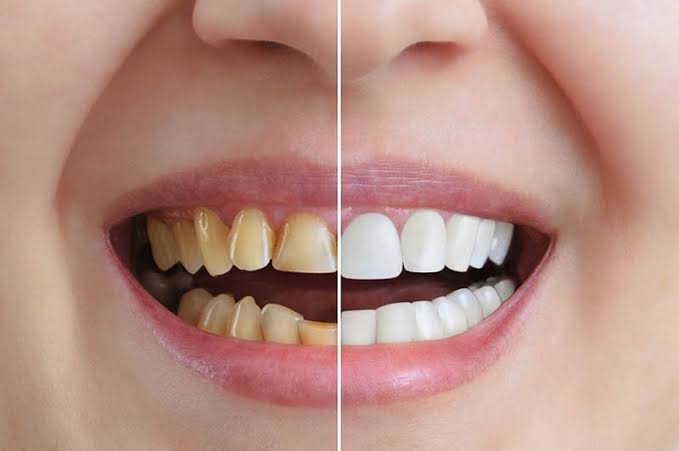
If the main problem is color, shape based treatment may be too much. Whitening improves the appearance of natural teeth without cutting them down. That sounds obvious, yet many people still assume they need veneers when what they really want is a brighter, cleaner looking smile.
Professional whitening also helps guide later decisions. Once the shade improves, you may realize the smile needs far less work than you thought. If one tooth still stands out after whitening, then a smaller, more focused cosmetic treatment may be enough. A conservative plan often works in stages because each step reveals whether more treatment is even necessary.
Veneers can still be conservative when they are carefully selected
Not every veneer case is aggressive. In the right situation, veneers can be minimally invasive, especially when the goal is to add volume rather than heavily reduce the tooth. Patients with small teeth, spaces, mild wear, or shape discrepancies may be candidates for little to no prep veneers, though case selection is strict. If the teeth are already prominent or crowded, more reduction may be needed, which changes the equation.
Current literature on adhesive esthetic restorations continues to support conservative preparation whenever possible because enamel bonding is more predictable and durable than bonding mostly to dentin. This clinical discussion of conservative veneer and adhesive strategies explains why preserving enamel matters so much.
Preventive care protects cosmetic results and prevents bigger treatment later
Cosmetic dentistry becomes more conservative when fewer teeth need repair in the first place. Prevention is part of esthetics. If you clench, grind, sip acidic drinks all day, or have grooves that trap decay, even beautiful cosmetic work can fail sooner and natural teeth can lose more structure over time.
That is where simple protective care matters. For back teeth with deep grooves, dental sealants can help prevent decay before fillings become necessary. Night guards can reduce wear. Fluoride and diet changes can lower the risk of erosion and cavities. A cosmetic plan that ignores prevention often becomes less conservative later because repair turns into replacement.
Conservative cosmetic options compare differently than aggressive treatment
| Option | Typical Tooth Reduction | Best For | Main Tradeoff |
| Whitening | None | General discoloration | Does not change shape or alignment |
| Enamel reshaping | Minimal | Minor uneven edges or small shape issues | Only works for subtle changes |
| Composite bonding | Little to none | Chips, gaps, worn edges, small contour changes | May stain or need maintenance over time |
| Minimal prep veneers | Low in selected cases | Color and shape changes on visible teeth | Not suitable for every bite or tooth position |
| Full coverage crowns for cosmetic reasons alone | High | Teeth with major structural damage, not simple cosmetic flaws | Removes much more natural tooth structure |
Small steps now can save more tooth structure later
Ask for a preservation first treatment plan. Tell your dentist you want the most conservative option that can still meet your goals. That request changes the conversation and helps you understand whether whitening, bonding, or selective treatment can work before moving to more invasive choices.
Get a bite and wear evaluation. If your teeth are chipping, flattening, or shortening, appearance is only part of the problem. Fixing the look without addressing grinding or bite pressure can lead to repeat repairs.
Request a staged approach. Start with the least invasive step, often whitening or bonding, then reassess. Many people find they need less treatment once the first improvement is complete.
5 ways cosmetic dentistry can be conservative and tooth sparing all come back to one principle. Better smiles do not have to come at the cost of healthy enamel. The right cosmetic dental care protects what is already working, improves what bothers you, and avoids doing more than the tooth actually needs. If you are considering treatment, ask for a plan centered on preservation and long term function.