Your roof is one of the most important parts of your home, yet it’s often overlooked—until something goes wrong. From shielding your family against harsh weather to preserving your home’s structural integrity, a well-maintained roof plays a critical role in long-term property value. The good news? With a proactive approach and a bit of knowledge, you can prevent costly repairs and significantly extend the lifespan of your roof.
Understanding What Impacts Your Roof’s Lifespan
Not all roofs are created equal. Materials, climate, installation quality, and maintenance habits all influence how long your roof will last.
Material Matters
Different roofing materials come with different life expectancies:
- Asphalt shingles: 15–30 years
- Metal roofing: 40–70 years
- Clay or concrete tiles: 50+ years
- Wood shakes: 20–40 years
Choosing the right material for your region and budget is a key first step in ensuring longevity.
Climate and Environmental Factors
Roofs in areas with heavy rainfall, strong winds, or intense heat cycles tend to deteriorate faster. UV exposure, moisture buildup, and temperature fluctuations all contribute to wear and tear.
Installation Quality
Even the best materials can fail prematurely if installed poorly. Proper ventilation, underlayment, and flashing are essential components that ensure your roof performs as intended.
Signs Your Roof Needs Attention
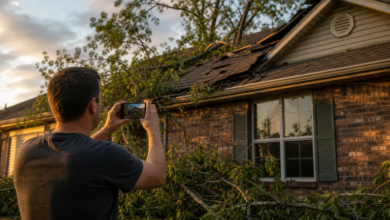
Being able to identify early warning signs can save you thousands in repairs. Many homeowners wait too long to act, turning minor issues into major structural problems.
Look out for:
- Missing, cracked, or curling shingles
- Water stains on ceilings or walls
- Moss or algae growth
- Sagging areas on the roof
- Granules accumulating in gutters
If you notice any of these, it’s time to take action before the damage escalates.
Routine Maintenance That Makes a Difference
Consistent upkeep is the single most effective way to extend your roof’s life. Fortunately, most maintenance tasks are simple and affordable.
Essential Roof Maintenance Checklist
- Inspect your roof twice a year (spring and fall)
- Clean gutters regularly to prevent water backup
- Trim overhanging tree branches
- Remove debris like leaves and twigs
- Check attic ventilation and insulation
- Look for signs of mold or moisture buildup
These steps help prevent water damage, improve airflow, and reduce unnecessary stress on roofing materials.
The Role of Professional Inspections
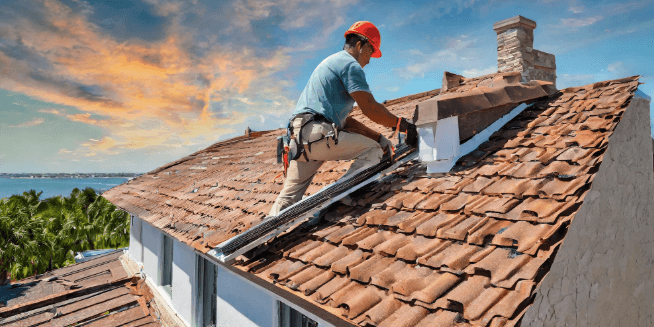
While DIY checks are helpful, professional inspections provide a deeper level of insight. Experts can identify hidden issues such as weakened decking, compromised flashing, or subtle leaks that aren’t visible from the ground.
Working with a trusted provider like Ideal Roofing and Exteriors in Peachtree City ensures that your roof is evaluated thoroughly and maintained according to industry standards. Professional assessments are especially important after severe weather events or before buying or selling a home.
When Repairs Are No Longer Enough
At some point, every roof reaches the end of its usable life. Knowing when to repair versus replace can save you from repeated expenses and ongoing headaches.
See also: Staying Warm and Worry-Free: A Homeowner’s Guide to Furnace Care
Repair May Be Enough If:
- Damage is localized to a small area
- The roof is relatively new
- There are no underlying structural issues
Replacement Is the Better Option If:
- Damage is widespread
- Repairs are becoming frequent
- The roof is nearing the end of its lifespan
- Energy efficiency has significantly decreased
A full replacement may seem like a large investment, but it often pays off through improved energy efficiency, increased property value, and peace of mind.
Energy Efficiency and Your Roof
Your roof does more than just protect—it also impacts your home’s energy performance. Poor insulation and ventilation can lead to heat loss in winter and excessive heat retention in summer.
Upgrading your roofing system or adding reflective materials can:
- Lower energy bills
- Improve indoor comfort
- Reduce strain on HVAC systems
Modern roofing solutions are designed with efficiency in mind, making them a smart long-term investment.
Choosing the Right Roofing Partner
Selecting a reliable contractor is just as important as choosing the right materials. A skilled roofing professional will guide you through options, provide transparent estimates, and ensure proper installation.
When evaluating contractors, consider:
- Experience and certifications
- Customer reviews and testimonials
- Warranty offerings
- Clear communication and detailed proposals
Avoid rushing this decision—quality workmanship directly impacts how well your roof performs over time.
Conclusion: A Proactive Approach Pays Off
Your roof is not something you want to think about only when problems arise. With regular maintenance, timely inspections, and informed decisions, you can extend its lifespan and avoid costly surprises.
Whether you’re dealing with minor repairs or planning a full replacement, taking a proactive approach ensures your home stays protected year-round. Investing in the right expertise and staying ahead of potential issues will always cost less than waiting for damage to occur.