Key Takeaways
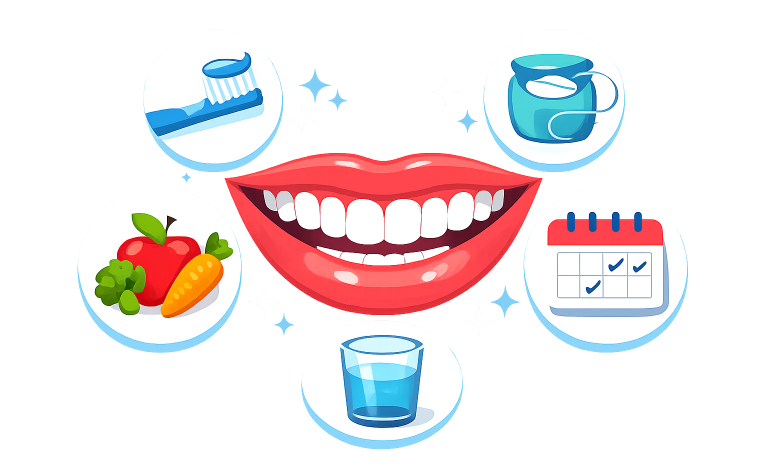
- Consistent oral care routines are essential for preventing dental problems.
- Proper brushing and flossing techniques play a pivotal role in maintaining oral health.
- Dietary choices and regular dental visits contribute to a healthier smile.
Maintaining a radiant smile goes beyond aesthetics; it’s a cornerstone of overall health. Achieving optimal oral hygiene is achievable for everyone with just a bit of intention and consistency in daily routines. Incorporating these practices helps prevent common dental issues and enhances your overall well-being. If you want to understand the value of oral care better, discover Why Is Dental Hygiene So Important? for insight into its long-term impacts.
Good oral health positively influences your self-confidence, the strength of your teeth and gums, and even your systemic health. As science continues to reveal the link between oral and whole-body wellness, daily diligence in dental care is more important than ever. Consistent routines, mindful lifestyle choices, and professional guidance form the foundation of a lifetime of healthy smiles.
Integrating simple habits and paying attention to oral care details can set you on the path to strong, clean teeth and a mouth free of painful problems. This article outlines eight essential daily habits that support a beautiful, healthy smile for years to come. For personalized advice and comprehensive dental services, visit Champaign Dental, where professionals are ready to help you maintain excellent oral health and address any concerns with expert care.
1. Brush Twice Daily with Proper Technique
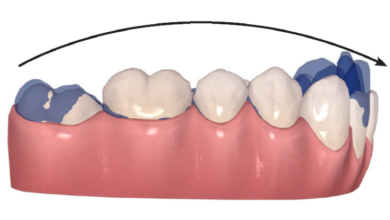
Brushing your teeth twice every day is the foundation of oral hygiene. Using a soft-bristled toothbrush and fluoride toothpaste provides effective plaque removal without damaging your enamel or gums. Angle your brush at 45 degrees to the gumline, apply gentle, circular motions, and ensure you clean every surface of each tooth. This careful method removes food debris and significantly reduces the risk of gum disease and cavities.
2. Floss Daily to Remove Plaque Between Teeth
Flossing reaches areas a toothbrush can’t, such as the tight spaces between your teeth and below the gumline. Take about 18 inches of dental floss, gently work it between each tooth, and curve it in a C-shape against the tooth. Clean both sides of every tooth, using a fresh section of floss as you move along. This habit is vital in preventing cavities, combating gingivitis, and minimizing gum-related issues that brushing alone cannot address.
3. Limit Sugary and Acidic Foods and Beverages
Frequent consumption of sugary snacks and acidic drinks can wear down your enamel, increasing the risk of tooth decay. Fill your diet with fresh fruits, vegetables, and calcium-rich foods to support tooth structure and strength. Swapping sticky sweets and sodas for healthier alternatives can make a noticeable difference. Drinking water, especially after meals, helps to rinse away residues and dilute harmful acids, protecting your teeth from long-term damage.
4. Stay Hydrated to Maintain Saliva Production
Hydration plays an important role in oral health. Saliva is crucial for neutralizing acids and sweeping away food particles, reducing the risk of tooth decay and gum disease. Dry mouth, often caused by dehydration or certain medications, can increase the risk of cavities and discomfort. Ensure you drink plenty of water throughout the day – your mouth and body will thank you.
5. Avoid Tobacco Products
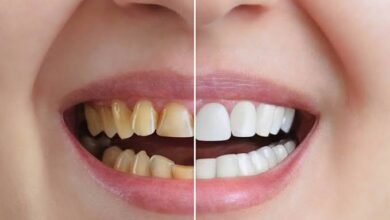
Using tobacco, whether by smoking or chewing, is a leading risk factor for gum disease, tooth discoloration, and oral cancer. Avoiding or quitting tobacco products is one of the most significant actions you can take for your oral and overall health. If you need support on your journey to quit, professional programs and counseling can provide effective strategies to help you stay tobacco-free. The Centers for Disease Control and Prevention (CDC) offers helpful resources if you need support in making this essential change.
6. Use Mouthwash for Added Protection
Rinsing with an antimicrobial mouthwash, especially one fortified with fluoride, adds another layer of defense against oral bacteria, bad breath, and tooth decay. Choose a product suited to your specific oral health concerns, such as those targeting gingivitis or offering extra cavity protection. Incorporating mouthwash after brushing and flossing completes an already robust cleaning routine, leaving your mouth fresher and cleaner.
7. Visit Your Dentist Regularly
Professional dental check-ups are essential for more than just cleanings. Dentists can spot early signs of decay, gum disease, and even developing oral health conditions. Schedule visits at least twice a year or more if your dentist recommends it, especially if you have current or past dental concerns. Early intervention can prevent small issues from becoming complex and expensive problems.
8. Be Mindful of Teeth Grinding
Many adults unconsciously grind their teeth, often at night, which can lead to headaches, jaw pain, and significant dental wear over time. If you observe any symptoms, such as jaw discomfort, sensitive teeth, or flat-looking teeth, consult your dentist. They may recommend a custom mouthguard or other therapies to protect your teeth and alleviate symptoms.
By adopting these eight habits and remaining diligent in your daily routine, you promote not just a brighter smile but a healthier life. Start with small changes and build up over time; the results will be worth the effort as you enjoy strong teeth, healthy gums, and greater confidence.
Conclusion
Maintaining excellent oral hygiene requires consistency, healthy habits, and regular professional care. By brushing and flossing properly, making smart dietary choices, staying hydrated, and visiting your dentist routinely, you can protect your teeth and gums from common dental problems. Small daily efforts can lead to long-term benefits, including a brighter smile, improved confidence, and better overall health. Prioritizing oral care today helps ensure a healthier, more comfortable smile in the future.