Eco-Friendly Housing: Meeting Modern Demand
Eco-friendly housing is no longer a niche trend. Consumers and developers are increasingly prioritizing sustainability as a core principle in both design and construction. As the impacts of climate change become more immediate, homeowners are searching for solutions that not only reduce their carbon footprint but also add long-term value and resilience to their investments. This approach is reshaping neighborhoods, influencing urban planning, and transforming the homebuying experience.
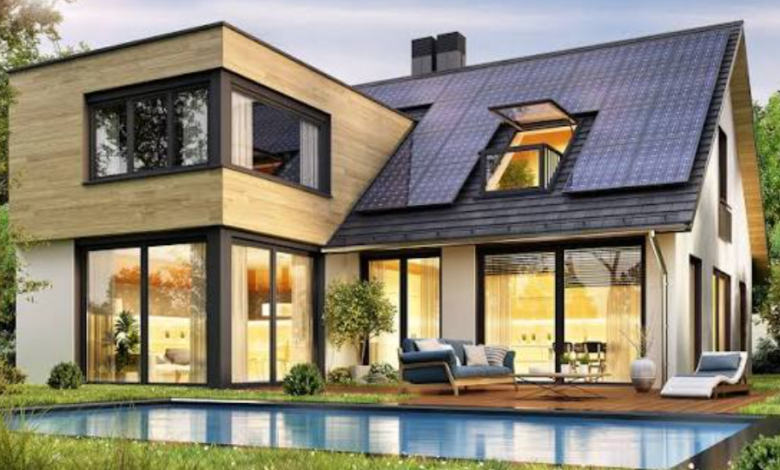
One of the driving forces behind this shift is the growing range of energy-efficient custom home designs. Leading home builders like Freure Homes have established themselves as authorities in Ontario, specializing in state-of-the-art, sustainable homes that balance aesthetics, comfort, and environmental responsibility. Through decades of experience and an unwavering commitment to innovation, Freure Homes delivers energy-efficient custom home designs that provide modern families with healthier living environments, lower utility costs, and the ability to future-proof their most important asset.
As these forward-thinking builders continue to adapt and evolve, prospective homeowners are no longer limited by conventional design standards. New builds increasingly reflect a holistic approach to health, efficiency, and technology, setting a new benchmark for what it means to live sustainably in the twenty-first century.
In this article, we explore the main trends shaping this green revolution, covering material innovations, smart technology, water conservation, biophilic design, and the emergence of community-oriented developments.
Energy-Efficient Building Materials and Construction Practices
The foundation of any sustainable home lies in its materials and construction methods. Builders are turning to options like reclaimed wood, recycled steel, and low-VOC finishes, all of which minimize emissions and resource extraction. These choices not only reduce environmental harm during construction but also improve indoor air quality for residents. Alongside these materials, high-performance insulation and advanced windows are now standard in many new builds, significantly reducing the energy required for heating and cooling.
Construction practices have also evolved. By prioritizing energy modeling, airtightness, and smart orientation to maximize natural light and minimize heat gain, builders are ensuring homes require less energy to maintain comfortable temperatures year-round. These upgrades deliver immediate savings on energy bills and help buffer homeowners against fluctuating utility costs.
See also: Mastering Your Home Remodel: A Complete Guide to Planning, Design, and Execution
Integrating Smart Home Technologies
The next wave of sustainability in housing is being powered by technology. Smart thermostats, lighting controls, and adaptive shading systems allow residents to precisely manage their energy use, often remotely via smartphone or smart speaker. These innovations not only boost daily convenience but also help households automate efficiency, reducing waste and providing detailed data to track progress toward sustainability goals.
Beyond energy savings, smart home systems now routinely feature integrated water leak detectors, air quality sensors, and even electric vehicle chargers. With rapid advances in home automation, high-tech features are making energy efficiency more accessible and attractive for everyone.
Popularizing Passive House and Ultra-Low Energy Design
Passive house principles have moved from the cutting edge into the mainstream of residential construction. These designs rely on super-insulated walls, triple-glazed windows, and meticulous attention to airtightness, ensuring excellent indoor comfort with minimal reliance on traditional heating and cooling systems. As the costs associated with these methods have fallen and consumer awareness has grown, passive house models are being adopted from urban infill projects to larger custom builds.
The ability of these homes to retain warmth in winter and stay cool in summer is remarkable, largely due to passive solar gain, ventilation, and advanced building envelopes. For homeowners, this means lower operational expenses and the peace of mind that comes with dramatically reduced energy consumption.
Water Conservation and Sustainable Landscaping
As concerns about drought and water scarcity grow, the latest housing trends emphasize water efficiency. WaterSense-certified plumbing fixtures, dual-flush toilets, and smart irrigation controllers are just a few of the technologies now standard in many new homes. Landscaping is also evolving, with drought-tolerant plant selections and xeriscaping methods reducing, or sometimes eliminating, the need for supplemental irrigation.
Beyond the financial benefits of lower water bills, these strategies represent a shift toward using natural resources responsibly without sacrificing comfort or curb appeal. Listings that mention water-saving features or eco-friendly landscaping are increasingly attracting attention from environmentally conscious buyers.
Incorporating Natural Elements and Biophilic Design
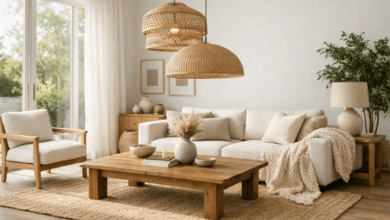
The principles of biophilic design, bringing elements of the natural world into the built environment, are gaining traction in sustainable home construction. Natural lighting, green walls, and plant-filled sensory gardens enhance not only a home’s beauty but also its occupants’ well-being. Building with locally sourced, organic materials creates interiors that feel restful and healthy, while layout strategies that maximize outdoor views further strengthen connections to nature.
Recent home design trends reveal that buyers are seeking more than just energy savings: they want homes that support physical and emotional wellness in every sense.
Fostering Community and Shared Sustainability Initiatives
Sustainability is increasingly a communal effort. Community-focused developments such as cohousing communities and ecovillages prioritize shared resources, green spaces, and social connection. By pooling resources to fund shared amenities such as gardens and renewable energy systems, these developments allow residents to reduce their individual footprints while enjoying a higher quality of life and a stronger sense of belonging.
Such approaches not only reduce redundant infrastructure and waste but also create lasting social ties, supporting a more resilient way of living.
Conclusion
The transformation of residential development is clear: energy-efficient custom home designs, sustainable materials, and integrated technology are setting a new standard for healthier, greener living. Led by experienced builders like Freure Homes, Canada’s experts in environmentally conscious construction, today’s homes are now better equipped to meet the twin challenges of comfort and conservation. As awareness and accessibility continue to rise, eco-friendly housing is poised to become a permanent fixture of the market, benefiting homeowners, families, and the planet alike.