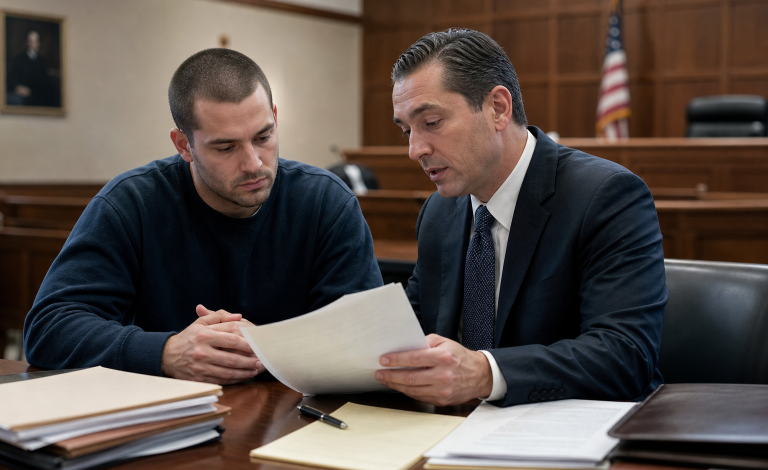
A plea bargain is often presented as a simple choice: accept an offer or go to trial. In reality, it is a high-stakes legal decision that can affect a person’s record, freedom, finances, immigration status, professional licensing, driving privileges, and future opportunities. This is especially true when a criminal allegation grows out of a traffic stop or DUI arrest, where issues such as DUI defense for out-of-state drivers can add complications involving more than one state. No two plea negotiations are the same. The strength of the evidence, the charge, the court, the prosecutor’s position, prior history, alleged victim impact, and the practical risks of trial can all shape an offer. A plea deal may be appropriate in some situations, but it should never be treated as an automatic solution simply because it is available.
What A Plea Bargain Really Is
A plea bargain is an agreement in which a defendant generally agrees to plead guilty, or, where allowed, no contest, in exchange for a prosecutor’s concession. That concession might involve dismissing another charge, reducing a charge, recommending a particular sentence, or agreeing not to seek a specific enhancement. The agreement does not always mean the defendant will receive every outcome they expect. The most important point is that the prosecutor and defense may negotiate the agreement, but the judge has a separate role. In many cases, a judge must decide whether to accept the plea and may retain discretion over sentencing. The U.S. Department of Justice explains that a guilty plea avoids trial, but sentencing remains a court process, and the judge is the person authorized to impose punishment. Read the Department of Justice overview of plea bargaining for a general explanation of that process.
Why Plea Offers Can Feel So Pressured
One difficult truth about plea bargaining is that the offer may arrive before a person feels ready. A prosecutor may set a deadline, a court date may be approaching, or the defendant may be worried about jail, missed work, family responsibilities, or the cost of a trial. Those pressures are real, but urgency is not the same as understanding. Some offers also appear better than they are because they compare a certain plea outcome with the maximum possible penalty after conviction at trial. The realistic trial risk may be lower than the maximum. On the other hand, evidence may be strong enough that a negotiated result meaningfully reduces exposure. A useful evaluation compares likely outcomes, not just the scariest possible outcome.
See also: How Charlotte Small Businesses Are Using 24/7 AI Front Desk Tools to Stop Losing Leads After Hours
Evidence Often Drives The Negotiation
Plea discussions should be based on the actual evidence, not assumptions about what police, witnesses, or prosecutors may have. Important materials can include reports, video footage, recorded statements, forensic testing, photographs, messages, medical records, witness accounts, and records showing the timing of events. In a DUI-related case, for example, the details may include the reason for the stop, officer observations, body-camera footage, roadside testing, breath or blood records, and whether testing procedures were followed. In another criminal case, the key question may involve identification, search-and-seizure issues, digital evidence, or a witness’s credibility. Evidence review can also reveal legal issues that affect leverage. A motion may challenge an unlawful search, an inadmissible statement, unreliable identification, or flawed testing. That does not guarantee dismissal, but it can change how both sides assess the case. Federal courts describe criminal cases as involving pretrial discovery and motions to suppress evidence obtained in violation of constitutional rights. The federal courts’ criminal case overview provides a useful general explanation of those stages.
Terms People Frequently Overlook
The charge is only one part of a plea agreement. Before accepting an offer, a person should understand every term, including:
- The exact offense of conviction and whether it is a misdemeanor, felony, or other classification.
- Whether other counts will be dismissed, deferred, or left open for later action.
- Whether a sentencing recommendation is binding on the judge or merely a recommendation.
- Jail, probation, fines, restitution, treatment, classes, testing, community service, or no-contact requirements.
- Any waiver of appeal rights, trial rights, or rights to challenge certain future issues.
- Whether the plea creates consequences for a driver’s license, firearm rights, housing, employment, education, immigration, or professional credentials.
A deal can look favorable because it avoids jail, yet still carries a conviction that creates serious collateral consequences. Conversely, a charge reduction may not resolve an administrative license matter or an out-of-state reporting issue. The practical effect of the plea deserves as much attention as the label of the charge.
What Happens In Court
Accepting an offer generally involves a court hearing. The judge typically asks questions to make sure the defendant understands the charge, the rights being given up, and the possible consequences. A guilty plea is usually an admission made in open court, not a private agreement between lawyers. The judge may ask whether anyone made improper threats or promises, whether the plea is voluntary, and whether there is a factual basis for it. Sentencing may happen that day, or it may be scheduled later after a presentence investigation, victim input, or additional filings. If the court rejects a proposed agreement, the next steps depend on the type of agreement and the governing law.
Consequences Beyond The Sentence
What no one may emphasize at the beginning is that the case does not always end when the hearing ends. A conviction can affect insurance costs, background checks, travel, parenting disputes, school aid, security clearances, and immigration matters. Probation violations or missed obligations can also create new problems after the plea. For people who live outside the state where the case is pending, the consequences may follow them home. A driving-related conviction or administrative action can be reported to another state, and completing treatment or court requirements from far away may require planning.
Common Plea Bargain Mistakes
- Accepting an offer without reading the written agreement line by line.
- Focusing only on jail time and ignoring long-term collateral consequences.
- Assuming a prosecutor’s recommendation guarantees the judge’s sentence.
- Believing that pleading guilty automatically ends every related civil, licensing, or administrative issue.
- Failing to review available evidence before making a final decision.
- Missing court dates, probation appointments, payment deadlines, or treatment requirements after the plea.
- Discussing case facts publicly or posting about negotiations on social media.
A Practical Review Checklist
Before agreeing to any plea resolution, consider this checklist:
- Identify every charge currently pending.
- Ask what evidence has been reviewed and what remains unavailable.
- Confirm the maximum and likely sentencing consequences.
- Determine whether any sentencing term binds the judge.
- Ask about license, immigration, employment, housing, and professional consequences.
- Get every material term in writing.
- Understand what rights are waived by entering the plea.
- Make a plan for all deadlines and conditions that begin after sentencing.
Questions People Often Ask
Does Taking A Plea Mean The Person Is Getting Off Easy?
Not necessarily. A plea may involve jail, supervision, restitution, treatment, a permanent record, or other consequences. It is a negotiated resolution, not automatically a minor outcome.
Can A Judge Reject A Plea Agreement?
Yes. Court approval and sentencing authority matter. Whether a judge can reject a particular term depends on the agreement and the law governing the case.
Can A Plea Be Withdrawn Later?
Sometimes, but it is not automatic. The timing, court rules, and reasons for seeking withdrawal can be critically important.
Is a Trial Always Better Than A Plea?
No. A trial preserves the right to require the prosecution to prove the case, but it also introduces uncertainty. The informed choice depends on the evidence, available defenses, potential consequences, and the specific offer.
Final Takeaway
A plea bargain is not merely a shortcut through criminal court. It is a decision with immediate and long-term consequences, and the written terms may matter as much as the charge itself. Before accepting an agreement, it is important to understand how it could affect sentencing, probation requirements, fines, driving privileges, employment opportunities, professional licenses, immigration status, or future legal matters. Careful review of the evidence, a clear understanding of the court’s role, and close attention to collateral consequences can help prevent an agreement from creating unexpected challenges long after the case is closed. Whether dealing with complex court proceedings or seeking compensation after a vehicle crash, consulting an experienced auto accident lawyer allows individuals to make decisions based on a full understanding of both immediate outcomes and lasting effects.