If your child had a painful cleaning, a rushed exam, or one appointment that ended in tears, you probably felt it too. The fear does not stay in the office. It shows up the night before the next visit, in the parking lot, and sometimes the moment your child hears the word dentist. You may be wondering if one bad visit changed everything. It can feel that way, especially when brushing battles get worse and routine care starts slipping. Finding an experienced dentist for families in North Attleborough can help rebuild your child’s trust and make future visits feel safe again.
A hard experience at the dentist does not mean your child is doomed to fear dental care for years. It does mean the next steps matter. A good family dental office understands that trust has to be rebuilt before treatment can go smoothly. That often starts with slower appointments, simple explanations, and a plan that fits your child instead of pushing your child to fit the schedule.
Bad dental memories often turn into avoidance
Children usually do not separate one bad appointment from dental care as a whole. If they felt trapped, surprised by pain, or ashamed for crying, they may expect that feeling every time. Some children go quiet and freeze. Others refuse to sit in the chair or fight every part of the visit. At home, you might see resistance to brushing, complaints about tooth pain, or constant worry that another filling is coming.
That is where family dentists helping children after a bad dental experience can make a real difference. The goal is not to convince a child to “be brave” and get through it. The goal is to change the pattern. Trust grows when a child sees that this office moves at a different pace, listens when they say stop, and explains what is happening before anything touches their mouth.
Dental fear is common, and it is not a character flaw. Harvard Health Publishing has described how anxiety around cleanings, exams, and fillings can build from pain, loss of control, or even stories children hear from others. You can read more about the roots of dental fear. When you understand that fear has a cause, the solution becomes more practical and less personal.
See also: How to Upgrade Your Outdoor Lifestyle for Comfortable Australian Road Trips
General and family dentist care works best when it slows the process down
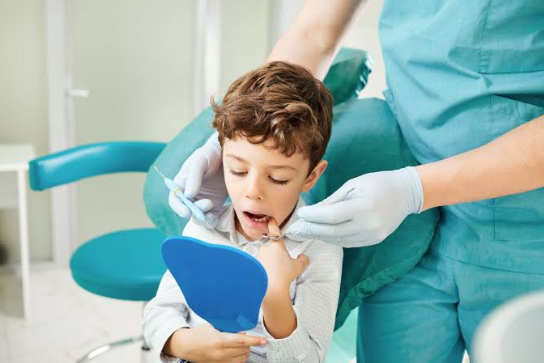
A child who had a bad experience usually needs a different first visit. That may mean a short meet and greet with no treatment at all. The dentist might count teeth, show your child the mirror and suction tool, and let them practice signals like raising a hand to pause. These details sound small, but they give a child something they may not have had before, which is control.
A family dentist for anxious children also watches the parent child dynamic closely. If you are tense, your child often reads that instantly. A thoughtful dentist will speak to both of you in plain language, avoid flooding your child with too much information, and set realistic expectations. If treatment is needed, the office can break it into smaller visits rather than trying to do everything at once.
Some children need more than patience and explanation. They may need behavior guidance techniques, sensory accommodations, or sedation options that are appropriate for their age and health. The American Academy of Pediatric Dentistry outlines levels of training and privileges tied to sedation and advanced care in its guidance on dental privileges and sedation-related standards. That matters if your child’s fear is severe or if treatment has become urgent.
Rebuilding trust protects both oral health and family stress
When dental fear goes untreated, the problem tends to spread. Missed cleanings can turn into cavities. Small cavities can turn into bigger procedures. Bigger procedures often confirm the child’s belief that dental visits are painful, and the cycle gets harder to break. Parents end up juggling school schedules, unexpected costs, and a child who feels panicked before every appointment.
This is why helping kids overcome dental trauma is not just about comfort. It protects your child’s oral health and lowers the chance of emergency treatment later. If your child says, “I hate the dentist,” they may really mean, “I don’t feel safe there.” A good general and family dentist hears the difference.
Common approaches that help after a bad dental visit
| Approach | What it looks like | Likely result |
| Rushing into treatment | Full exam, cleaning, and treatment on the first return visit | Higher chance of tears, resistance, and reinforced fear |
| Trust first visit | Short appointment, office tour, gentle exam, no pressure | Better cooperation and less anxiety at the next visit |
| Child control signals | Hand raise for pause, step by step explanation, choice when possible | More sense of safety and less panic |
| Parent preparation at home | Simple language, no threat based phrases, calm routine before the visit | Lower anticipatory stress |
| Appropriate advanced support | Behavior guidance, sensory support, or sedation when truly needed | Safer care for children with severe fear or urgent treatment needs |
Small changes before the appointment can change the whole experience
You do not need a perfect script. You need a steady one. If your child asks whether it will hurt, avoid promises you cannot control. Say that the dentist will explain each step, listen if something feels uncomfortable, and take breaks when needed. That answer builds trust because it is honest.
It also helps to avoid using the dentist as a threat. Many parents do this without meaning harm. “If you do not brush, the dentist will have to drill your teeth” can make a nervous child feel punished before they even arrive. Calm, neutral language works better. So does booking at a time of day when your child is usually rested and fed.
Three steps you can take right now
1. Tell the office exactly what happened before. Share the details before the appointment starts. Was there pain, restraint, a surprise procedure, or a provider who moved too fast? The more specific you are, the easier it is for the dental team to adjust the plan.
2. Ask for a low pressure first visit. Request a short reintroduction appointment focused on comfort, not treatment. Many children do better when the first goal is simply walking in, sitting in the chair, and leaving with a positive memory.
3. Watch your wording at home. Skip warnings, bribes, and dramatic reassurance. Use plain language. Say what will happen, remind your child they can signal for a pause, and praise cooperation without making the visit sound scary.
A patient family dentist can help your child start over
One bad appointment can shake your child’s trust, but it does not have to define every visit after that. With the right pace, the right communication, and a dental team that respects fear instead of fighting it, children often recover far better than parents expect. A steady, compassionate general and family dentist can turn dental care from a source of dread into something manageable again.
If your child is carrying fear from a past visit, the next appointment should feel different from the start. Reach out to a family dental office and ask how they help children rebuild confidence after a difficult dental experience.